


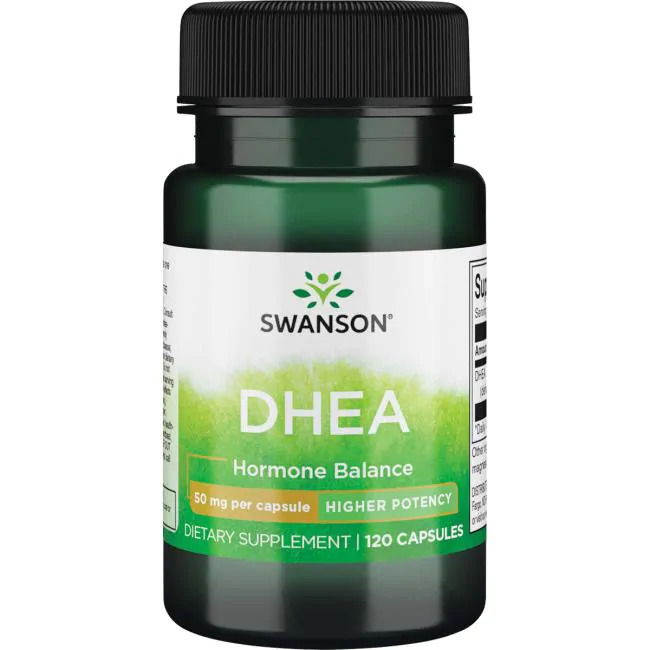
DHEA and cancer
Summary of DHEA
Effect:
- DHEA is a natural precursor hormone produced in the adrenal glands that can be converted into other hormones such as testosterone and estrogen. It is recognized for its role in regulating hormonal balance and for counteracting the effects of the stress hormone cortisol. Its levels in the body decline significantly with age.
Potential in cancer:
- Its potential in cancer primarily lies in strengthening the body and improving quality of life. By counteracting the stress hormone cortisol, DHEA can support immune system function. Additionally, it can potentially improve energy levels and preserve muscle mass, which is crucial for withstanding the physical strain during a cancer journey.
Important:
- In Denmark, DHEA is considered a medicinal product. It is not legal to import it. However, it can be ordered by your doctor via a pharmacy in Germany. Check the procedure yourself, as it may have changed since this page was created. You are responsible for ensuring that the import is carried out in a legal manner.
Limitation:
- The primary limitation is hormonal. Since DHEA can be converted into estrogen and testosterone, there is a significant risk associated with its use in hormone-sensitive cancers (e.g., breast and prostate cancer), where it could potentially stimulate cancer growth.
- Uncontrolled use can disrupt the body’s own hormonal balance.
Summary:
- DHEA is a potent, natural hormone with the potential to strengthen general resilience. It is a valuable supplement in selected situations because it can counteract stress, support the immune system, and improve general well-being under physical and psychological pressure. If desired, you can find a holistic doctor who will (and can) issue a prescription to a German pharmacy.
What is DHEA
DHEA, or dehydroepiandrosterone, is one of the body’s most abundant hormones. It is often referred to as a pre-hormone (a precursor hormone) because it serves as a precursor or raw material that the body can convert into a variety of other important hormones, including male sex hormones (androgens like testosterone) and female sex hormones (estrogens).
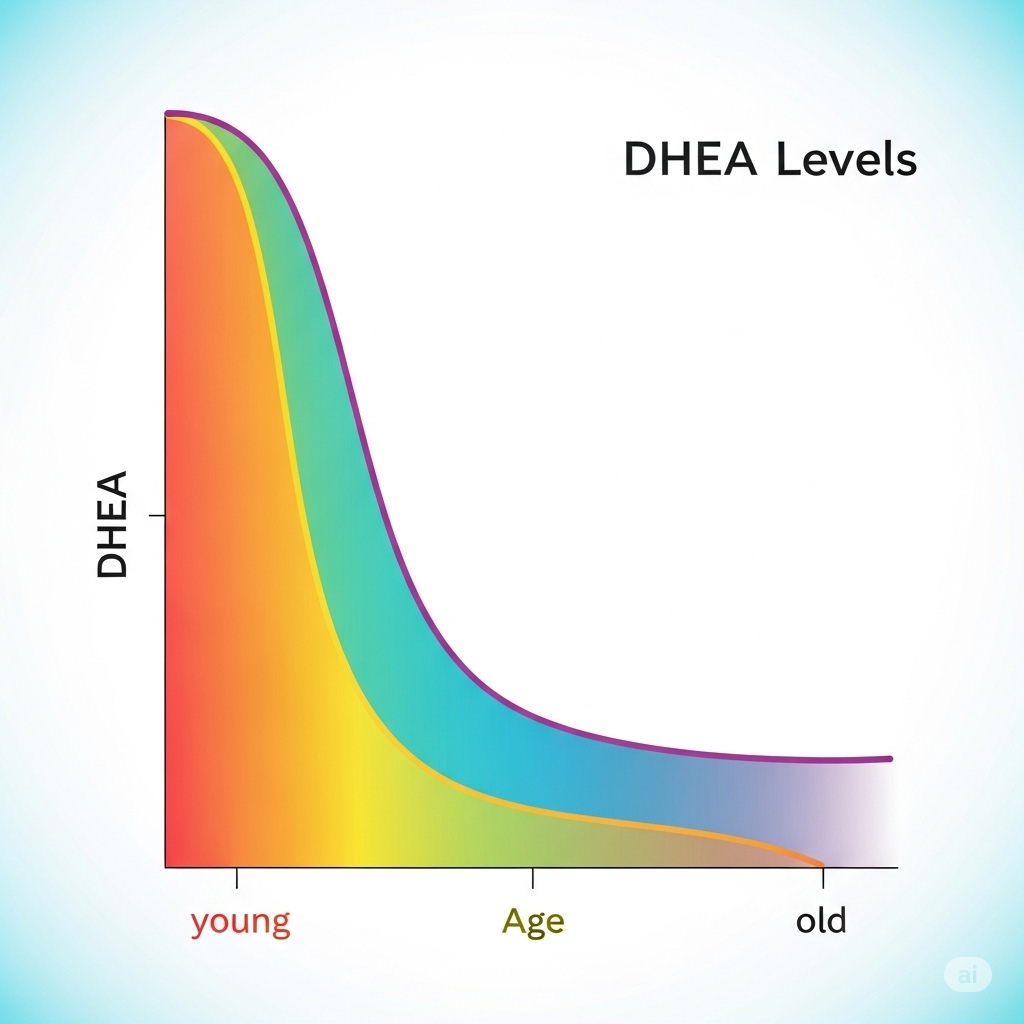
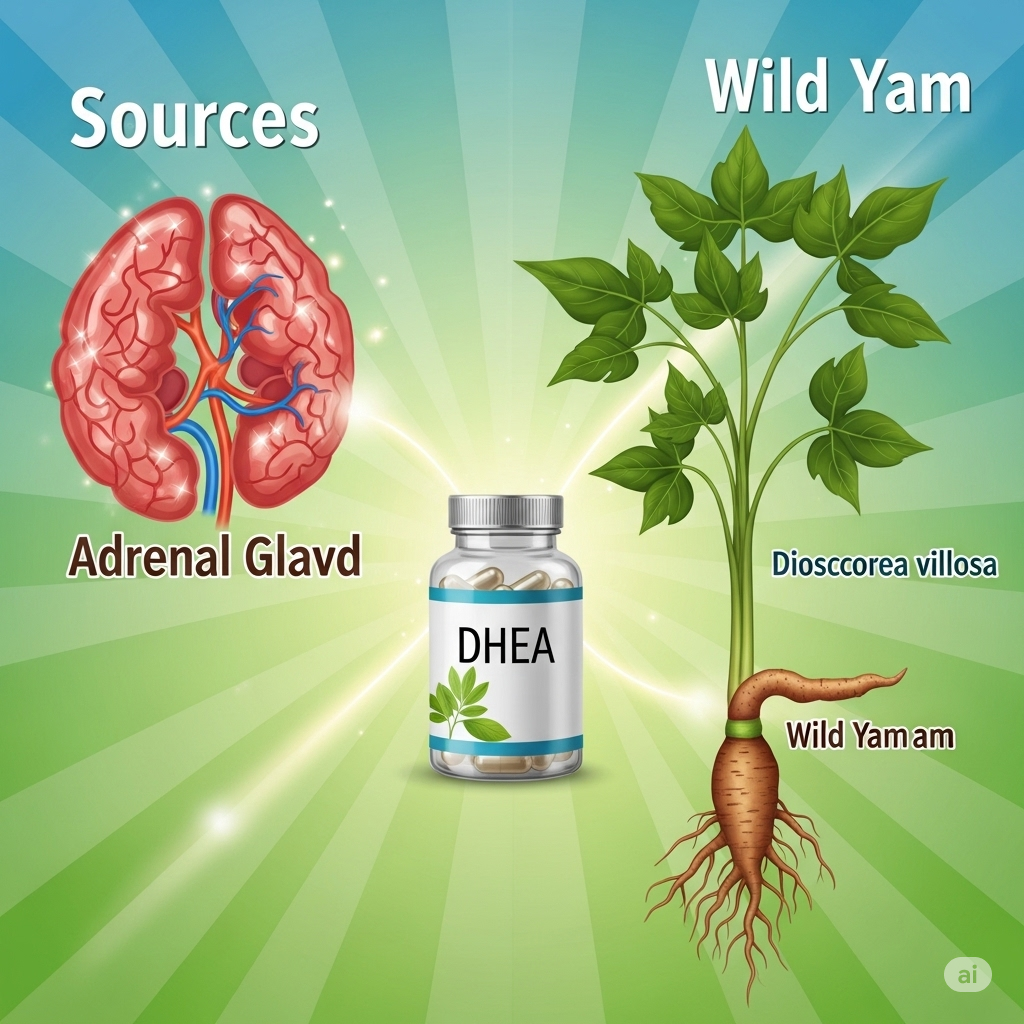
The production of DHEA occurs primarily in the adrenal cortex and, to a lesser extent, in the brain and gonads. DHEA levels in the blood are highest when one is in their 20s, after which they decline steadily and gradually throughout the rest of life. By age 70, one typically has only 10-20% left of the DHEA levels they had as a young adult. This age-related decline is believed to be linked to many of the changes seen in the body with age.
History
DHEA was first isolated from urine in 1934 (by German biochemist Adolf Butenandt). In the decades that followed, research focused primarily on mapping its role as a precursor to other hormones.
In the 1950s, it was discovered how to synthesize DHEA in the laboratory from a plant substance called diosgenin, found in wild yam root. This enabled the production of DHEA as a supplement. In the 1980s and 90s, interest in DHEA grew significantly, particularly within anti-aging communities, where it became popular as a means to restore youthful hormone levels and improve vitality.
Mechanisms of action
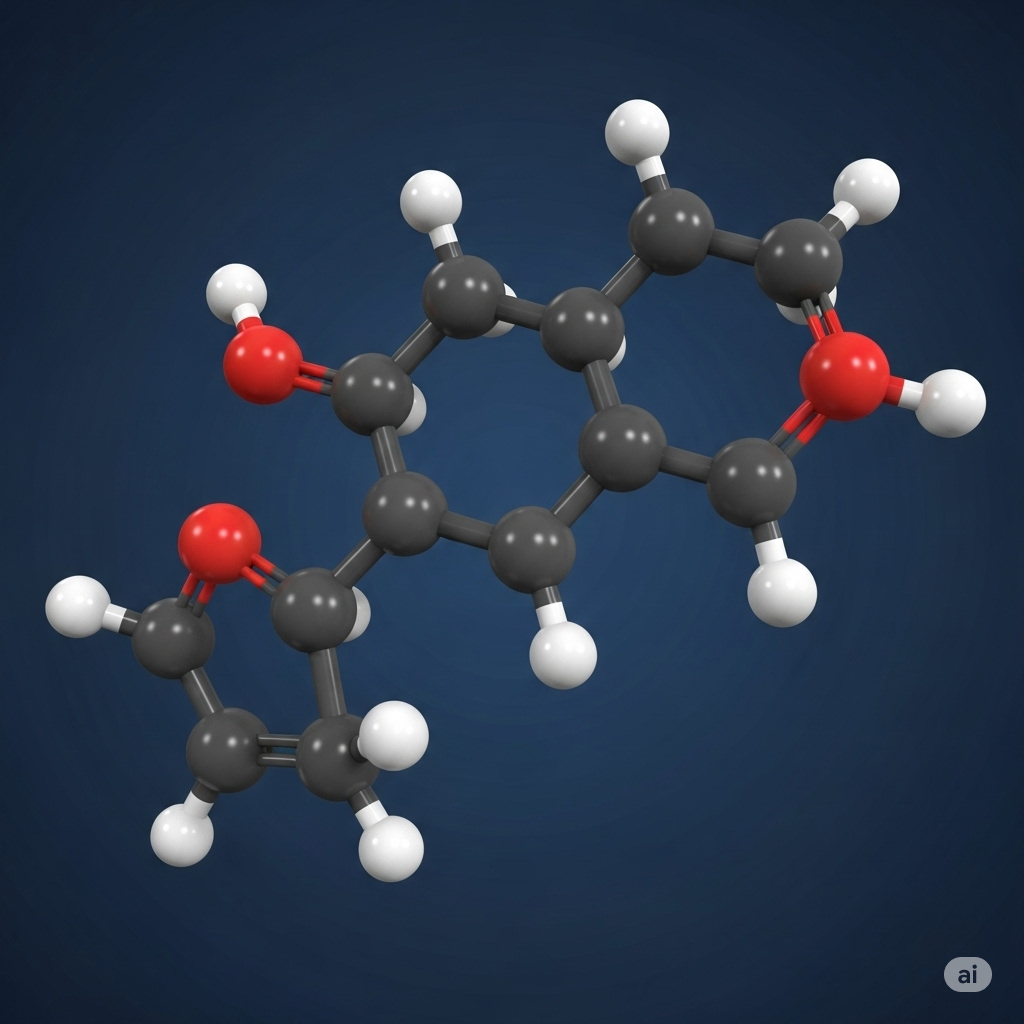
The effect of DHEA in the body is complex and multifaceted, extending far beyond simply being a raw material for sex hormones. It has its own unique biological functions that affect everything from the brain to the immune system.
Conversion to sex hormones
The most well-known mechanism of action is DHEA’s role in the hormonal cascade. When DHEA is released into the bloodstream, it can be converted in various tissues into androstenedione, which can then become either testosterone or estrogen. This conversion provides the body with a flexible way to regulate its hormonal balance according to the needs of individual tissues.
Direct effect on the brain
DHEA is a so-called neurosteroid, meaning it is both produced in and has a direct effect on the central nervous system. It can influence a number of important receptors (receptor molecules on cell surfaces) in the brain, including NMDA, GABA, and sigma-1 receptors.
These receptors are crucial for regulating mood, memory, learning, and the protection of nerve cells. DHEA’s ability to modulate these systems is one reason it is investigated for its potential to improve cognitive function and mental well-being.
Counterbalance to stress hormones
One of the most interesting effects is DHEA’s ability to function as a physiological antagonist to the stress hormone cortisol. While cortisol is catabolic (degenerative) and can weaken the immune system during prolonged stress, DHEA appears to have anabolic (building) and immune-protective properties.
A healthy ratio between DHEA and cortisol is crucial for a robust immune system and effective stress management.
Anti-inflammatory function
DHEA has been shown to dampen the production of pro-inflammatory cytokines (signaling molecules that drive inflammation), such as IL-6 and TNF-alpha. Chronic inflammation is a driving factor behind many diseases, including cancer, and DHEA’s ability to regulate the inflammatory response is an important part of its potential.
Potential in cancer
DHEA’s potential in a cancer context is complex and must be handled with great care, but it offers several interesting angles, especially when the focus is on strengthening the body and improving quality of life during and after a cancer journey.
Strengthening the immune system
Cancer treatments such as chemotherapy and radiation therapy are an enormous strain on the body and can significantly weaken the immune system. At the same time, a strong immune system is crucial for the body’s ability to fight cancer cells itself.
This is where DHEA’s role as an antagonist to cortisol comes in. By restoring a more favorable DHEA/cortisol ratio, one can potentially strengthen the function of important immune cells such as T-cells and NK cells (Natural Killer cells), which are the body’s front-line defense against cancer.
Improving quality of life and counteracting cachexia
One of the major challenges during a cancer journey is fatigue, loss of muscle mass, and decreased quality of life—a condition called cachexia. DHEA’s anabolic (building) properties may have the potential to counteract muscle loss and improve energy levels and general well-being.
Several studies investigating DHEA in other patient groups have shown an improvement in self-reported quality of life, mood, and energy levels. For a person going through cancer, such an improvement can be of invaluable importance for the ability to complete treatment.
Protection of nerve cells
Certain types of chemotherapy can cause chemo-induced peripheral neuropathy (nerve damage in hands and feet). DHEA’s properties as a neurosteroid that protects nerve cells open a theoretical possibility that it could play a role in reducing these side effects.
This is an area that requires much more research, but the potential is interesting.
Important note on hormone-sensitive cancer
It is crucial to mention that the use of DHEA in hormone-sensitive cancers such as breast cancer (especially estrogen receptor-positive) and prostate cancer is highly controversial. Since DHEA can be converted into estrogen and testosterone, there is a theoretical risk that it could stimulate the growth of these cancers.
Therefore, DHEA must never be used in these situations and certainly not without close monitoring and guidance from a specialized practitioner.
Advantages of DHEA
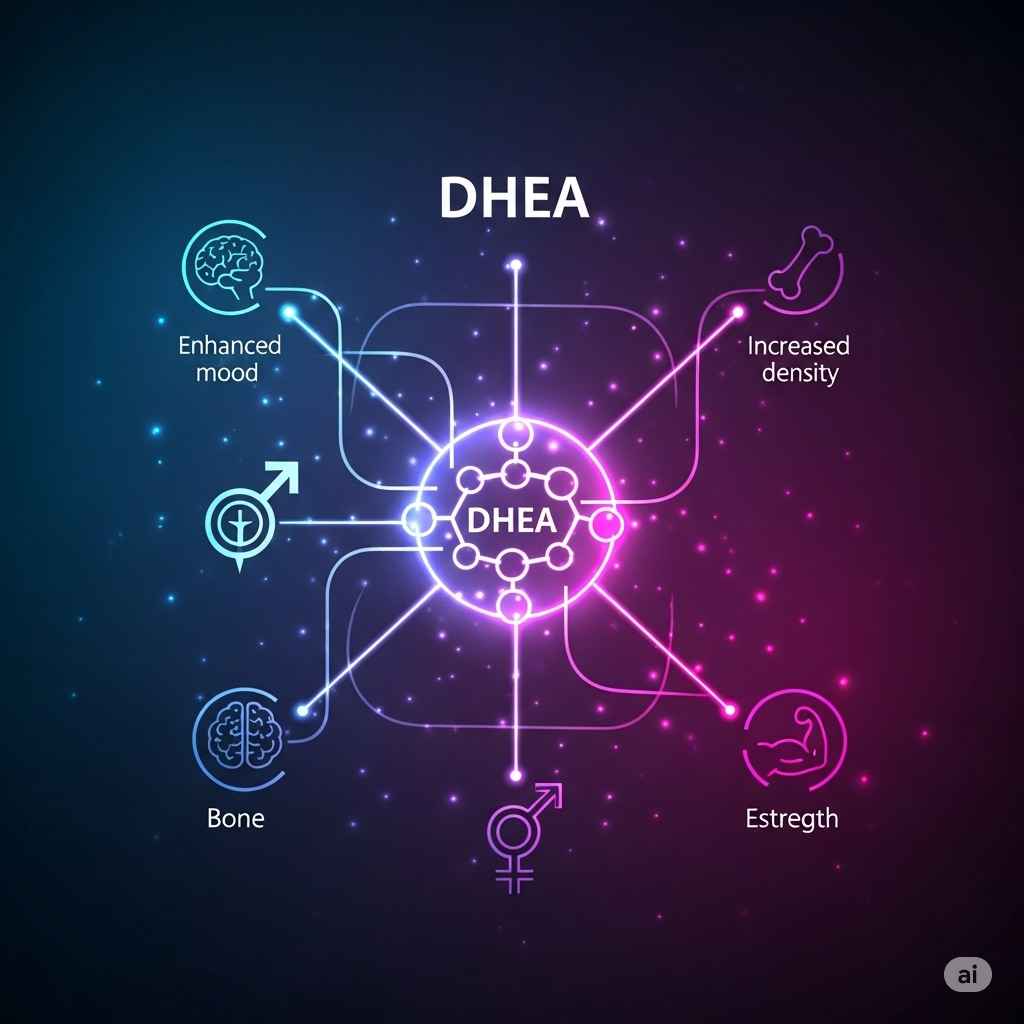
In addition to the more direct mechanisms of action, DHEA offers a number of advantages that can strengthen the body’s general robustness.
- Improved stress management: By counteracting the degenerative effects of cortisol, DHEA can help the body better handle both physical and psychological stress.
- Support for bone health: DHEA plays a role in maintaining bone density, which is important as certain cancer treatments can increase the risk of osteoporosis.
- Cognitive clarity: As a neurosteroid, a healthy level of DHEA can contribute to maintaining mental sharpness and a stable mood.
- Maintenance of body composition: Its mild anabolic effect can help preserve muscle mass at the expense of fat mass, which is central to a healthy metabolism.
Disadvantages and limitations

Supplementing with DHEA is potent and not without drawbacks. The primary disadvantage is that one is introducing a hormone high up in the hormonal signaling pathways, which can produce unpredictable results.
- Hormonal side effects: The most common disadvantage is hormonal side effects due to conversion into sex hormones. This can include oily skin, acne, and unwanted hair growth in women.
- Unpredictable conversion: It is difficult to predict exactly how the body will convert the administered DHEA. In some, it will primarily become testosterone; in others, primarily estrogen. This depends on individual biochemistry.
- Risk in hormone-sensitive cancer: As mentioned, the greatest limitation is the potential risk in hormone-sensitive cancers, making it unusable for a large group of cancer patients without specialized guidance.
- Quality of supplements: The quality of DHEA products on the market can vary greatly. It is crucial to choose a high-purity product from a reputable manufacturer.
- Considered a medicinal product in DK: In Denmark, DHEA is considered a medicinal product. It is not legal to import it. However, it can be ordered by your doctor via a pharmacy in Germany. Check the procedure yourself, as it may have changed since this page was created. You are responsible for ensuring that the import is carried out in a legal manner.
Clinical studies
While there are thousands of preclinical studies (in vitro and in vivo) on DHEA, the number of large, well-controlled clinical studies in humans, especially in a cancer context, is more limited.
Most human studies have focused on DHEA’s effect on other conditions. For example, studies have shown positive results in the treatment of the autoimmune disease lupus (SLE), where DHEA has been shown to reduce symptoms and the need for medication.
Other studies have shown a positive effect on depression, bone density in postmenopausal women, and improved quality of life in the elderly.
Regarding cancer, research has primarily been observational, looking at the correlation between natural DHEA levels and cancer risk. The results here have been mixed and sometimes contradictory.
There is a lack of large clinical trials investigating DHEA as a supplementary treatment focusing on effective doses, safety, and specific cancer types.
Safety

Safe use of DHEA requires knowledge and caution. It is not a supplement one should experiment with on their own.
- Monitoring is crucial: Before starting and throughout a course of DHEA, it is essential to have hormone levels measured via blood tests. This includes DHEA-sulfate (DHEA-S), cortisol, testosterone, and estrogen to ensure balance is maintained.
- Interactions: DHEA can potentially interact with hormone treatments such as Tamoxifen or aromatase inhibitors (e.g., Letrozole and Arimidex) used in breast cancer. It could theoretically counteract the effect of these medications.
- Dosage: A safe dosage is individual. Taking doses that are too high significantly increases the risk of side effects. The principle of “less is more” very much applies to DHEA.
Dispensing and application
The use of DHEA should always occur in consultation with an experienced practitioner.
- Starting dose: A low starting dose is often recommended, e.g., 5-10 mg daily, especially for women. Men can often tolerate slightly higher doses.
- Time of intake: Since the body’s own production of DHEA is highest in the morning, it is best to take the supplement in the morning to mimic the natural circadian rhythm.
- Form: DHEA is typically found in capsule form. Micronized DHEA (where the particles are made very small) is believed to have the best absorption.
- Blood test monitoring: Regular follow-up with blood tests (typically every 3-6 months initially) is necessary to adjust the dose and ensure hormone levels remain within an optimal and safe range.
- Cycling: Some practitioners recommend taking breaks from the supplement (e.g., taking it for 5 days and taking a 2-day break) to avoid downregulating the body’s own production.
Conclusion

DHEA is a fascinating and potent hormone that plays a central role in the body’s general health, stress management, and immune function.
As a supplementary agent in a cancer journey, its primary potential lies not in a direct cancer-fighting effect, but rather in its ability to strengthen the body, improve quality of life, counteract degenerative processes, and support the immune system. It functions as a building and protective factor during a period when the body is under extreme pressure.
Due to its hormonal action, however, it is not a harmless supplement. Especially in hormone-sensitive cancers, caution and professional guidance are paramount. When used correctly, based on blood tests and under expert supervision, DHEA can be a valuable tool for restoring balance and strength in a vulnerable body.
If this precursor hormone is to be part of your treatment, ensure it is prescribed in a legal manner so you do not risk a fine or other problems.
Back to Dietary supplements
See also Holistic doctors in Denmark
Links
[1] Heterocyclic androstane derivatives targeting hormone-related cancers: Synthesis, bioactivity and docking studies (PubMed, 2025)
- Content: This study used dehydroepiandrosterone (DHEA) as a starting material to create new, modified steroid molecules for cancer treatment. The new substances showed promising and selective ability to kill hormone-dependent cancer cells and therefore constitute a good basis for the development of new drugs.
[2] Identification of Potential Anticancer Bioactive Compounds from Fractions of Alpinia monopleura Rhizome Extract (PubMed, 2025)
- Content: This study investigated the anticancer properties of an extract from the plant Alpinia monopleura. Dehydroepiandrosterone (DHEA) was identified as one of the active substances in the fraction that was most effective against cervical cancer cells and bound more strongly to the cancer’s target protein than a standard drug.
[3] Hormonal Biomarkers in Predicting Prostate and Clinically Significant Prostate Cancer: A Prospective Study (PubMed, 2025)
- Content: As measuring PSA alone is insufficient to diagnose prostate cancer, this study points to new markers. It was found that a decreasing level of DHEAS (dehydroepiandrosterone sulfate) is associated with an increased risk of prostate cancer, suggesting that DHEAS has potential as a new marker in patient management.
[4] Dehydroepiandrosterone, Cancer, and Aging (PubMed, 2022)
- Content: This article discusses why dehydroepiandrosterone (DHEA) shows great potential in preclinical studies but disappoints in human trials. The author argues that the doses used in clinical trials are too low to test DHEA’s potential and that the development of a new and more potent DHEA analog could clarify its real effect.
[5] DHEA supplementation: the claims in perspective (PubMed, 2025)
- Content: Although low levels of dehydroepiandrosterone (DHEA) are associated with diseases such as lupus and certain cancers, evidence for a beneficial treatment effect is lacking. The article concludes that there is a need for large human studies and that there is currently no basis for recommending routine treatment with DHEA.
[6] DHEA down-regulates mitochondrial dynamics and promotes apoptosis of lung adenocarcinoma cells through FASTKD2 (Journal of Cancer, 2024)
- Content: According to this study, dehydroepiandrosterone (DHEA) inhibits tumor growth in lung adenocarcinoma by affecting the cells’ mitochondria. DHEA inhibits the fission and promotes the fusion of mitochondria by downregulating the protein FASTKD2, which extends patients’ survival time and identifies a new treatment target.
[7] Dehydroepiandrosterone (DHEA) Sensitizes Irinotecan to Suppress Head and Neck Cancer Stem-Like Cells by Downregulation of WNT Signaling (Frontiers, 2022)
- Content: This study shows that dehydroepiandrosterone (DHEA) counteracts stem cell properties in head and neck cancer (HNSCC) by, among other things, inhibiting the WNT signaling pathway. Furthermore, DHEA reinforced the effect of chemotherapy (irinotecan), and this combination reduced tumor growth in animal experiments, pointing to a potential new treatment strategy.
[8] Protective Effect of Dehydroepiandrosterone (DHEA) On Pancreatic Cancer Through C-Reactive Protein (CRP) Production Inhibition (PubMed, 2024)
- Content: This study shows a link between inflammation (measured by CRP) and pancreatic cancer. While high CRP levels were associated with increased risk, higher levels of dehydroepiandrosterone (DHEA) were associated with a decreased risk. The inverse relationship between CRP and DHEA suggests that DHEA may have an anti-inflammatory effect.
Page created: Jun 26, 2025
❤
What you read on Jeg har Kræft is not a recommendation. Seek competent guidance.
