


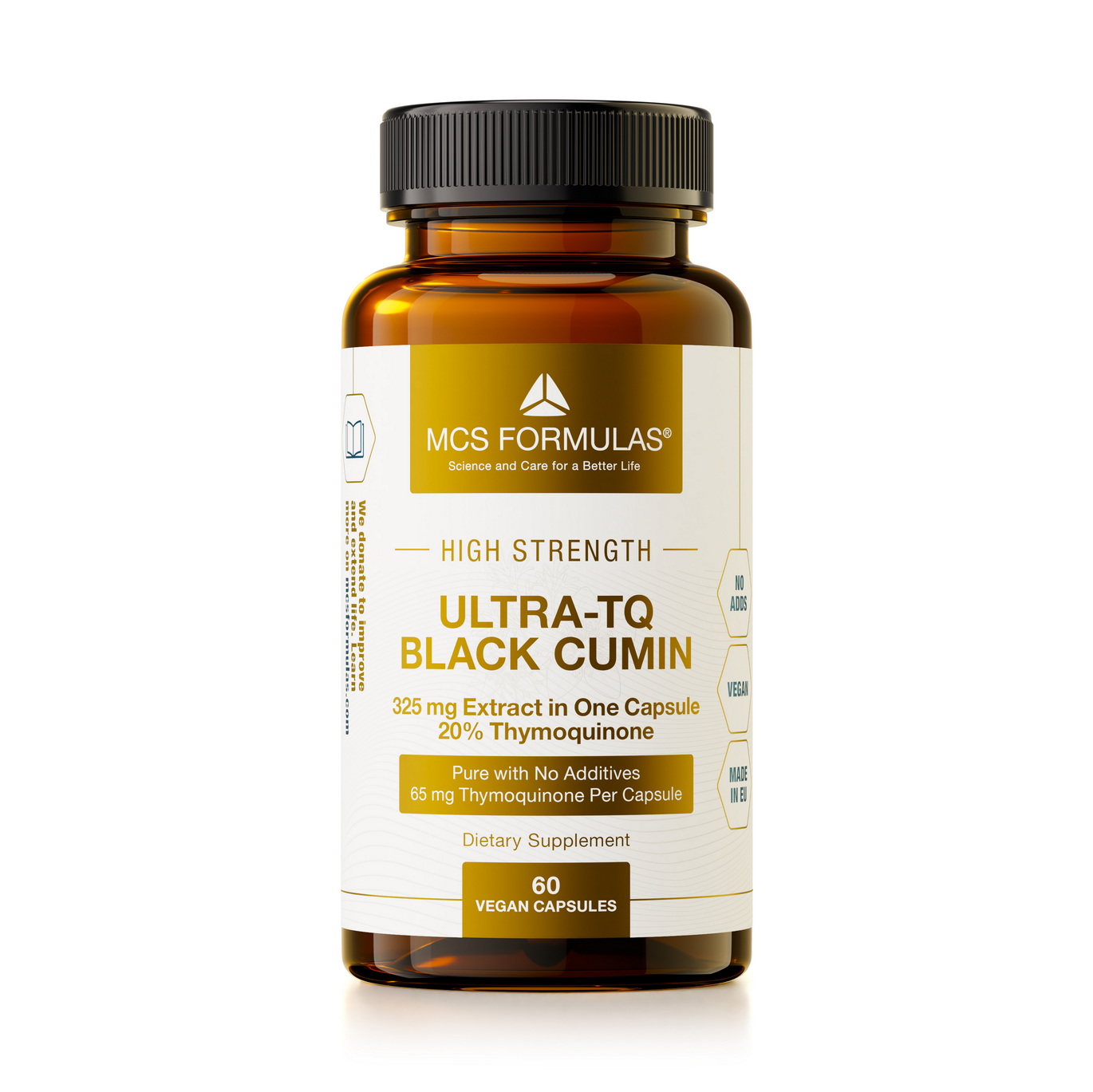
Thymoquinone and cancer
Summary of Thymoquinone
Primary recognized effect:
- Thymoquinone is the powerful active substance in black cumin seeds (Nigella sativa). It is recognized in thousands of studies for its strong anti-inflammatory and cell-protective antioxidant properties [1, 2, 4, 10].
Potential in cancer:
- In the laboratory, thymoquinone shows remarkable potential. It attacks cancer cells via many mechanisms at once, among other things by forcing them to commit suicide, blocking their growth signals, and preventing them from forming new blood vessels. In addition, it can enhance the effect of both chemo- and radiation therapy [2, 5, 7, 8].
Main warning:
- Thymoquinone’s primary limitation is that it is poorly absorbed in the body, which researchers are working to solve. More importantly, it can theoretically affect liver enzymes and thus the metabolism of certain types of medication. Although this is not fully mapped, it requires caution, especially when used concurrently with other medication.
In brief:
- Thymoquinone is an unusually versatile and promising natural preparation with great potential, supported by extensive research.
Precisely because it is so biologically active, it should be used in consultation with a qualified healthcare provider, not least during a cancer course.
What is Thymoquinone
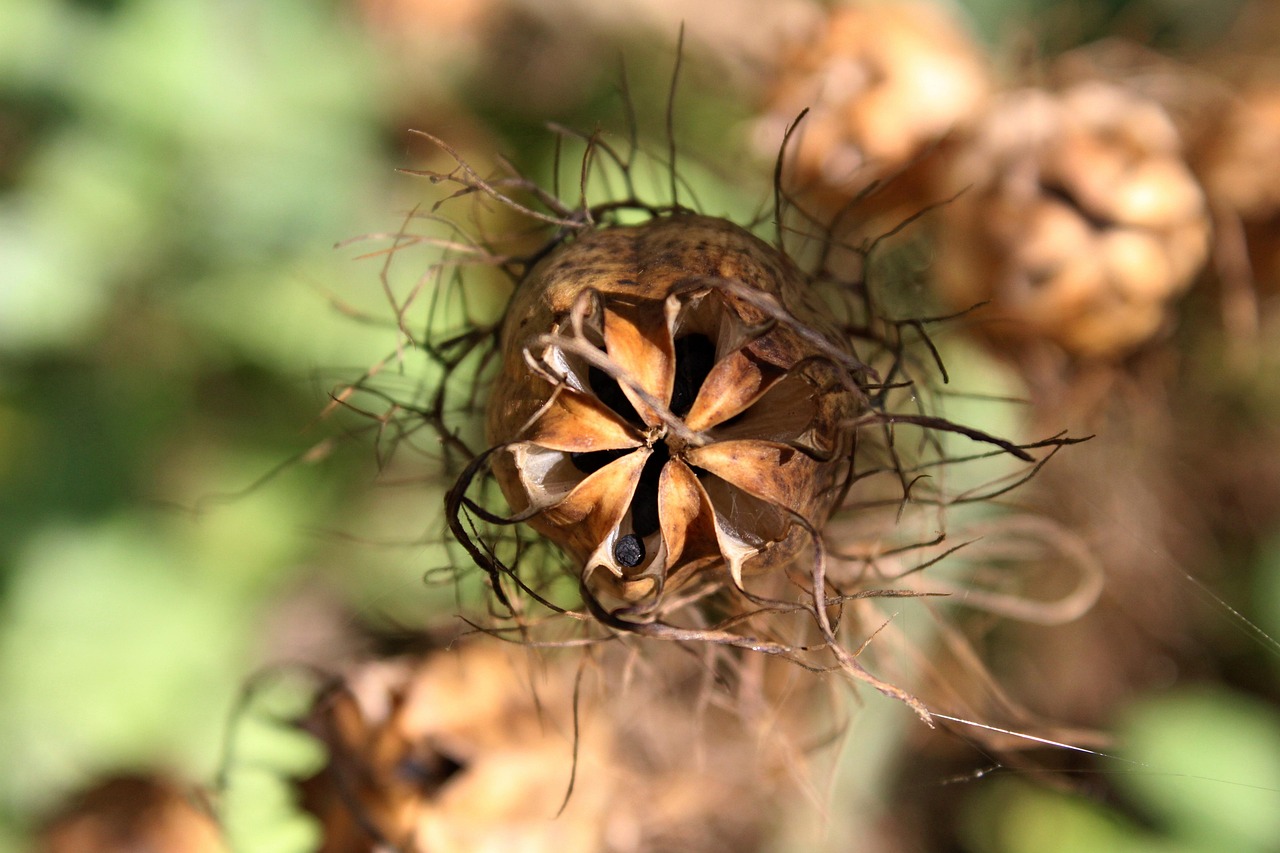
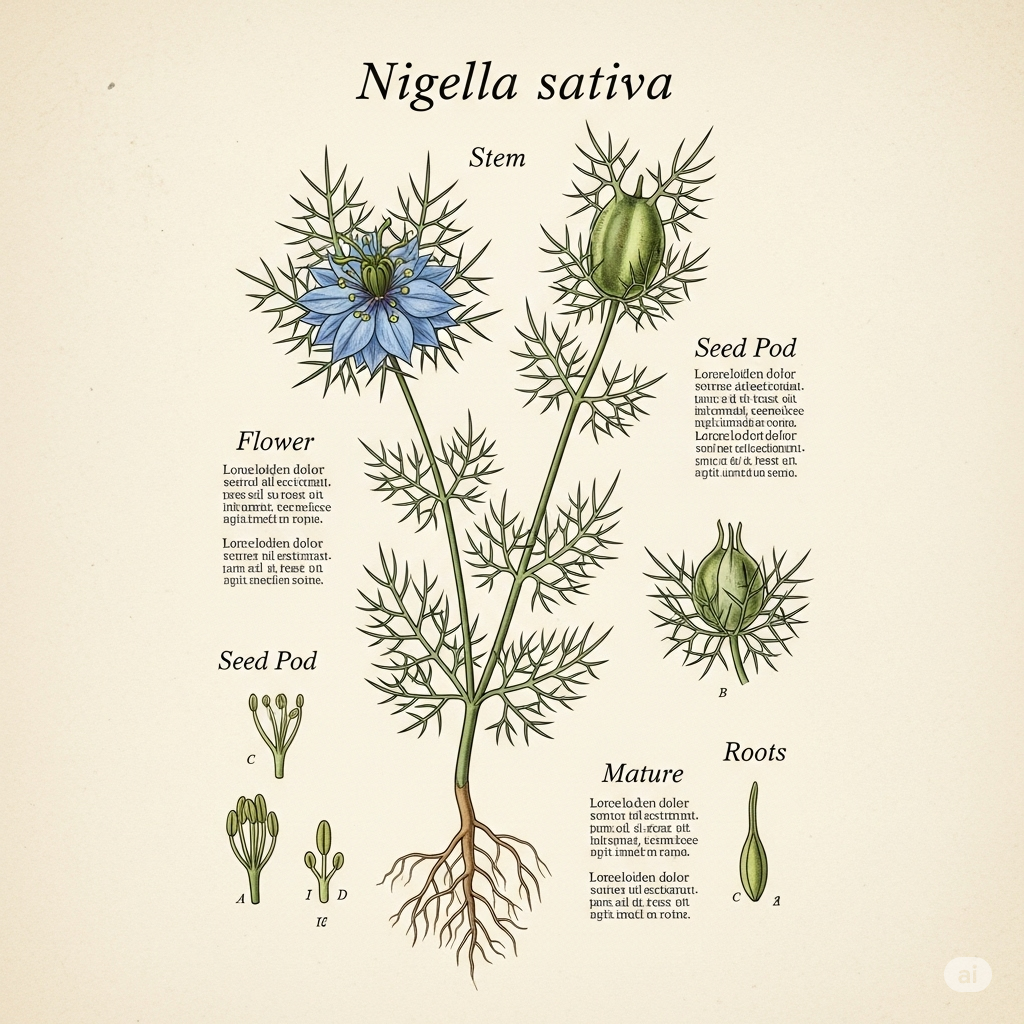
Thymoquinone is a remarkably potent bioactive compound that constitutes the primary active ingredient in the seeds of the Nigella sativa plant, better known as black cumin [1, 2, 4, 10].
The substance consists of a small molecule that can easily penetrate the body’s cells, where it unfolds its many beneficial effects. In recent decades, science has really opened its eyes to the potential of thymoquinone, especially its ability to interact with the complex processes that underlie the development of cancer.
It is this unique ability to target cells that makes thymoquinone one of the most promising natural substances in complementary cancer treatment.
History
The use of Nigella sativa and thus indirectly thymoquinone dates back thousands of years. The plant originally comes from Southwest Asia and has been found in ancient Egyptian tombs, including in Tutankhamun’s tomb, which testifies to its high status. In Arab culture, it is known as “Habbatul barakah,” which means “the seed of blessing,” and the Prophet Muhammad is said to have stated that it “cures everything except death.” Throughout history, the seeds and oil from them have been used in traditional medicine in the Middle East, Asia, and Africa to treat a wealth of ailments, from inflammation and infections to digestive problems and skin disorders. This millennia-old traditional use forms a solid experiential foundation for modern scientific interest.
Mechanisms of action
Thymoquinone’s strength lies in its ability to combat cancer cells from many different angles simultaneously. This multi-targeted approach makes it difficult for cancer cells to develop resistance, which is often a challenge with more narrowly focused treatments. Thymoquinone orchestrates a complex attack on the cancer cells’ most vital functions [2, 5, 6, 8].
Programmed cell death
One of the most well-documented properties of thymoquinone is its ability to force cancer cells to commit suicide through a process called apoptosis. Unlike healthy cells, cancer cells normally ignore the signals to die and instead divide uncontrollably. Thymoquinone restores this balance by regulating the proteins that control cell death. It increases the amount of pro-apoptotic proteins such as Bax and Bak, which function as the cell’s “death pedal,” and simultaneously reduces the amount of anti-apoptotic proteins such as Bcl-2 and Bcl-xL, which function as the cell’s “brake.” The result is that the cancer cell receives an unambiguous signal to destroy itself [2, 4, 10].
Blocking of central signaling pathways
Cancer cells are deeply dependent on constant signals that tell them to grow, divide, and survive. Thymoquinone disrupts these life-sustaining communication lines.
PI3K/Akt/mTOR signaling pathway
This signaling pathway is like a main switch for cell growth and is often hyperactive in many cancers. When it is turned on, it promotes cell growth, metabolism, and survival. Thymoquinone has been shown to be able to inhibit several key components in this pathway, effectively turning off the growth signal and slowing the formation of cancer cells [5].
STAT3 signaling pathway
STAT3 is a protein that, when active, promotes genes related to survival, spread, and inflammation in cancer cells. Thymoquinone blocks the activation of STAT3, thereby depriving cancer cells of one of their most important tools for maintaining their malignant behavior [6].
NF-κB signaling pathway
NF-κB (nuclear factor-kappa B) is a central regulator of inflammation and immune response, but in cancer cells, it is often hijacked to promote chronic inflammation that supports tumor growth and protects cells from cell death. Thymoquinone is a potent inhibitor of NF-κB, thereby both dampening the cancer-promoting inflammation and making cancer cells more vulnerable to treatment [1, 3].
Inhibits spread and blood vessel formation
For a tumor to grow large and spread to other parts of the body, it depends on two processes: angiogenesis, the formation of new blood vessels to deliver nutrients and oxygen, and metastasis, the ability to invade surrounding tissue and travel through the bloodstream. Thymoquinone counteracts both. It inhibits the production of growth factors such as VEGF (Vascular Endothelial Growth Factor), which are crucial for angiogenesis, and it blocks enzymes known as matrix metalloproteinases (MMPs), which cancer cells use to break down tissue barriers and spread [8].
Potential as complementary treatment for cancer
Thymoquinone’s real potential as a complementary treatment lies not only in its ability to fight cancer cells itself, but especially in its synergistic (cooperative and enhancing) effect with conventional cancer treatments. It acts as a helper that can make standard treatments more effective and at the same time protect the body’s healthy tissue.
Enhancement of chemotherapy
Many studies have shown that when thymoquinone is given together with chemotherapy, the effect is significantly enhanced. It can make cancer cells that are otherwise resistant sensitive to the treatment. For example, the combination of thymoquinone with chemotherapeutic agents such as cisplatin, doxorubicin, and 5-fluorouracil has been shown to have a much more powerful cancer-killing effect in studies on cells (in vitro) and in living organisms (in vivo) than when the substances were used alone. An important mechanism is thymoquinone’s ability to inhibit the pumps (such as P-glycoprotein) that cancer cells use to push chemotherapy out of the cell again. By blocking these pumps, thymoquinone ensures that the chemotherapy stays inside the cancer cell and can perform its task [5].
Synergy with radiation therapy
Similarly to chemotherapy, thymoquinone can act as a “radiosensitizer,” meaning it makes cancer cells more vulnerable to radiation therapy. This can potentially mean that one can achieve a better effect from the radiation. At the same time, thymoquinone has shown a remarkable “radioprotective” effect. This means that while it weakens the cancer cells, it simultaneously protects the surrounding healthy cells from radiation damage. This is due to its powerful antioxidant properties, which neutralize the harmful free radicals that radiation generates in healthy tissue [1].
Benefits of Thymoquinone
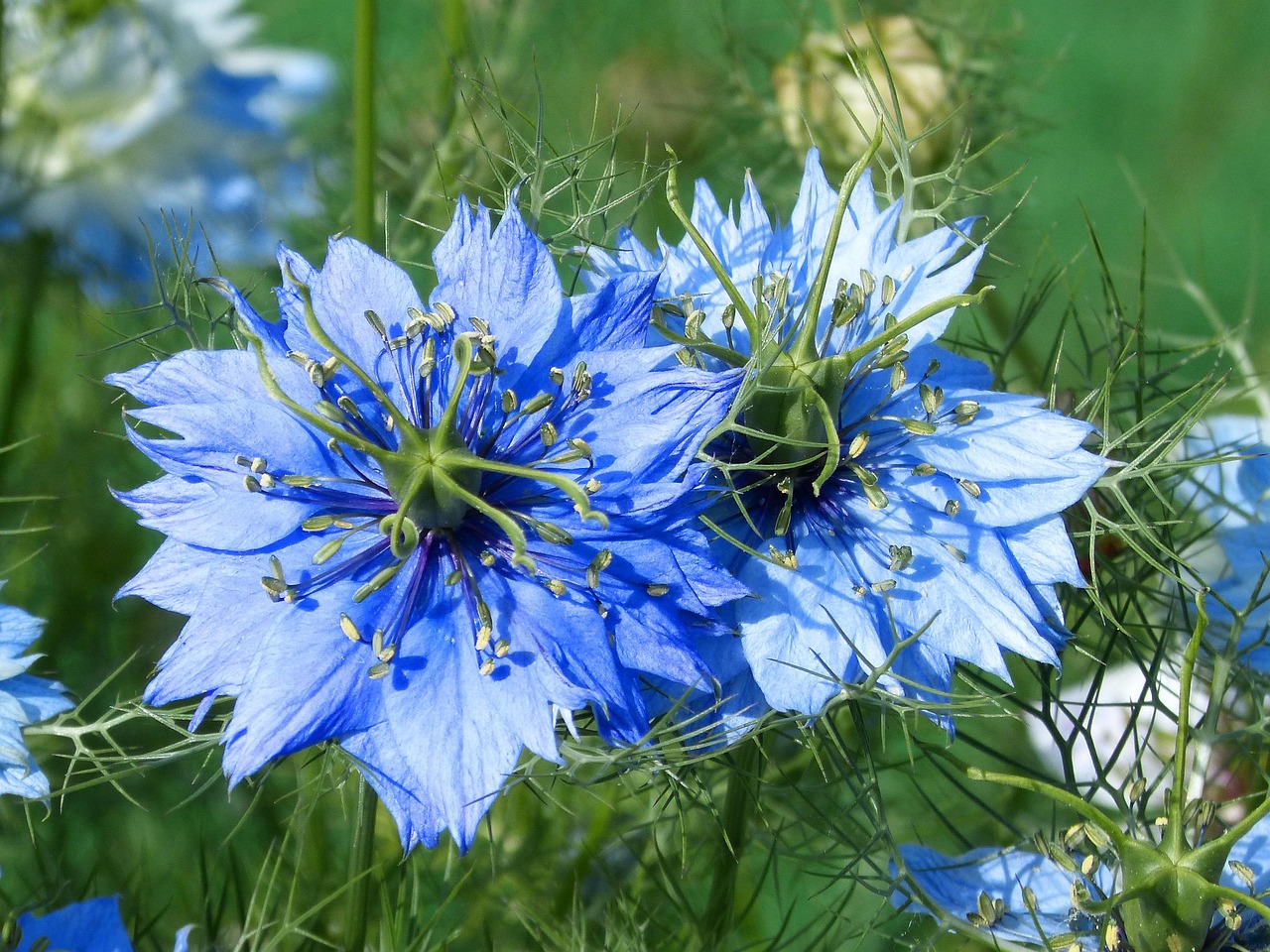
In addition to the direct cancer-inhibiting mechanisms and synergy with conventional treatment, thymoquinone offers a number of systemic benefits that can support the body as a whole during a cancer course.
Anti-inflammatory effect
Chronic inflammation is a driving force behind many diseases, including cancer. Thymoquinone’s ability to inhibit NF-κB and other inflammatory markers provides a broad, systemic anti-inflammatory effect that can improve general well-being and create a less favorable environment for cancer growth [1, 3].
Protection of healthy organs
Conventional cancer treatment can be a major burden on the body’s organs, especially the liver and kidneys. Research points to thymoquinone having both hepatoprotective (liver-protecting) and nephroprotective (kidney-protecting) properties. It protects these vital organs from the toxic effects of chemotherapy and other medications by reducing oxidative stress and inflammation.
Strengthening of the immune system
A well-functioning immune system is crucial in the fight against cancer. Thymoquinone has been shown to be able to modulate the immune system by increasing the activity of important immune cells such as T cells and especially natural killer cells (NK cells), which are the body’s frontline defense against cancer cells.
Disadvantages and limitations
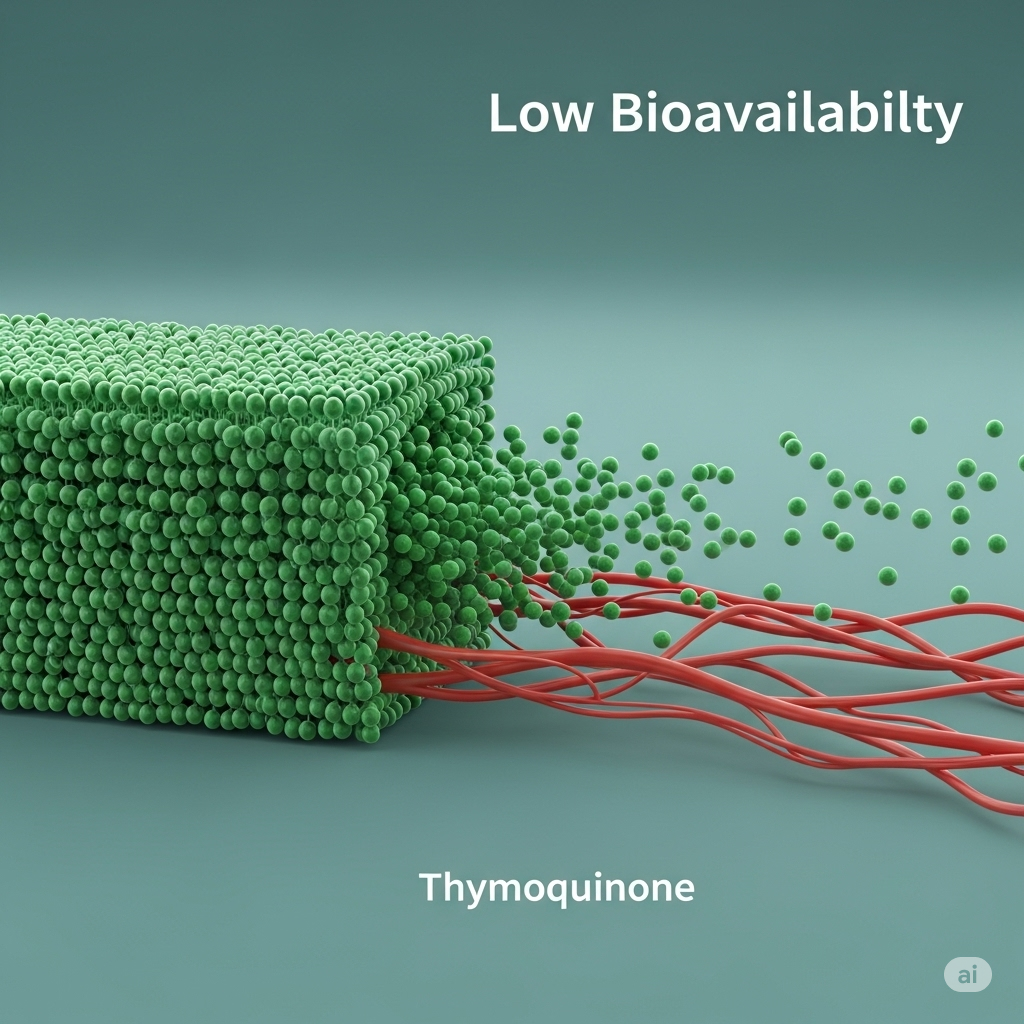
The most significant limitation of thymoquinone is its low bioavailability (the body’s ability to absorb and utilize a substance). This may seem strange. But it is due to the fact that on one hand, the substance has difficulty being absorbed, but on the other hand, it easily penetrates the body’s cells. The difference lies in two separate steps on the substance’s journey.
The challenge from intestine to blood
When thymoquinone is ingested, the first major barrier is getting from the digestive system into the bloodstream. Here, the substance is not very effective, as it is poorly soluble in water and is also quickly broken down by the digestive system.
The result is that only a small fraction of the amount ingested actually reaches the blood and can be transported around the body. It is this process that defines the low bioavailability.
The easy path from blood to cell
Once the absorbed part of thymoquinone has entered the bloodstream, its strength shows itself. Because it is a very small and fat-soluble molecule, it can easily leave the bloodstream and penetrate cell membranes. It can therefore effectively reach the places in the body’s cells where it needs to perform its function.
Research into better absorption
The challenge with low absorption from the intestine is well known. Researchers are therefore working intensively to develop new methods for composing capsules and other delivery forms that can improve absorption. This is done, for example, by encapsulating thymoquinone in small transport particles of fat (liposomes) or in tiny nanoparticles. These methods protect the substance through digestion and help it to be absorbed more effectively into the bloodstream.
Clinical trials
While there are thousands of preclinical studies (in test tubes/petri dishes and in living organisms), the number of clinical trials on humans is still limited, but growing.
A Phase I study with patients with advanced, solid tumors showed that thymoquinone was safe to ingest and well-tolerated, even at high doses.
Other smaller studies have examined the combination of thymoquinone or black cumin oil with standard treatment, e.g., in pancreatic cancer and certain forms of brain cancer in children, and have observed signs of disease stabilization and good tolerance.
These early results are promising and form the basis for the larger and more decisive clinical trials that are underway.
Safety
Based on the long historical use of black cumin and the available studies, thymoquinone is considered a safe substance with low toxicity, especially when ingested in the amounts found in foods and common dietary supplements.
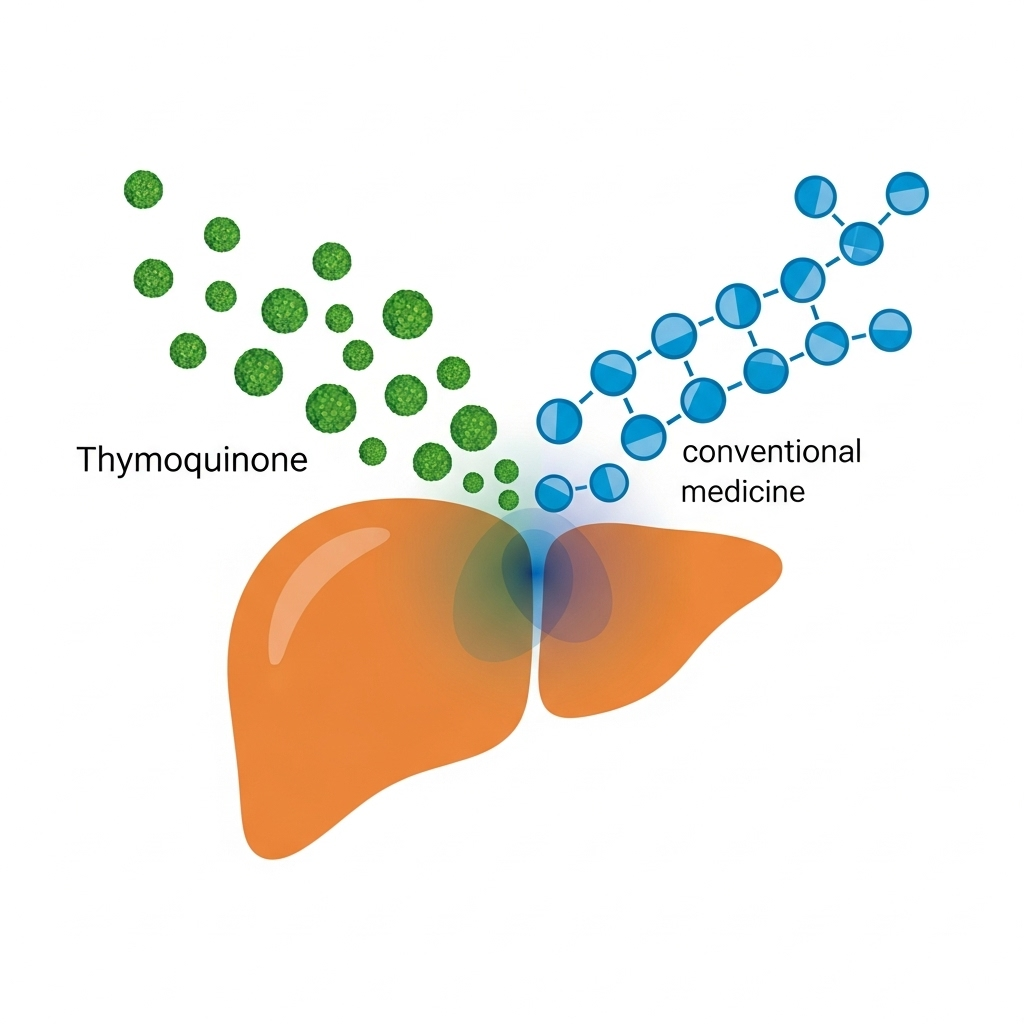
Animal studies show that extremely high doses are required to induce toxic effects. However, one should be aware that thymoquinone can affect the enzymes in the liver (Cytochrome P450 system) that are responsible for breaking down many types of medication.
This can theoretically affect the metabolism of blood-thinning medication such as warfarin or certain types of chemotherapy. Therefore, one should always discuss it with one’s healthcare provider before starting to take thymoquinone as a supplement, especially if one is receiving other medical treatment.
Dispensing and use
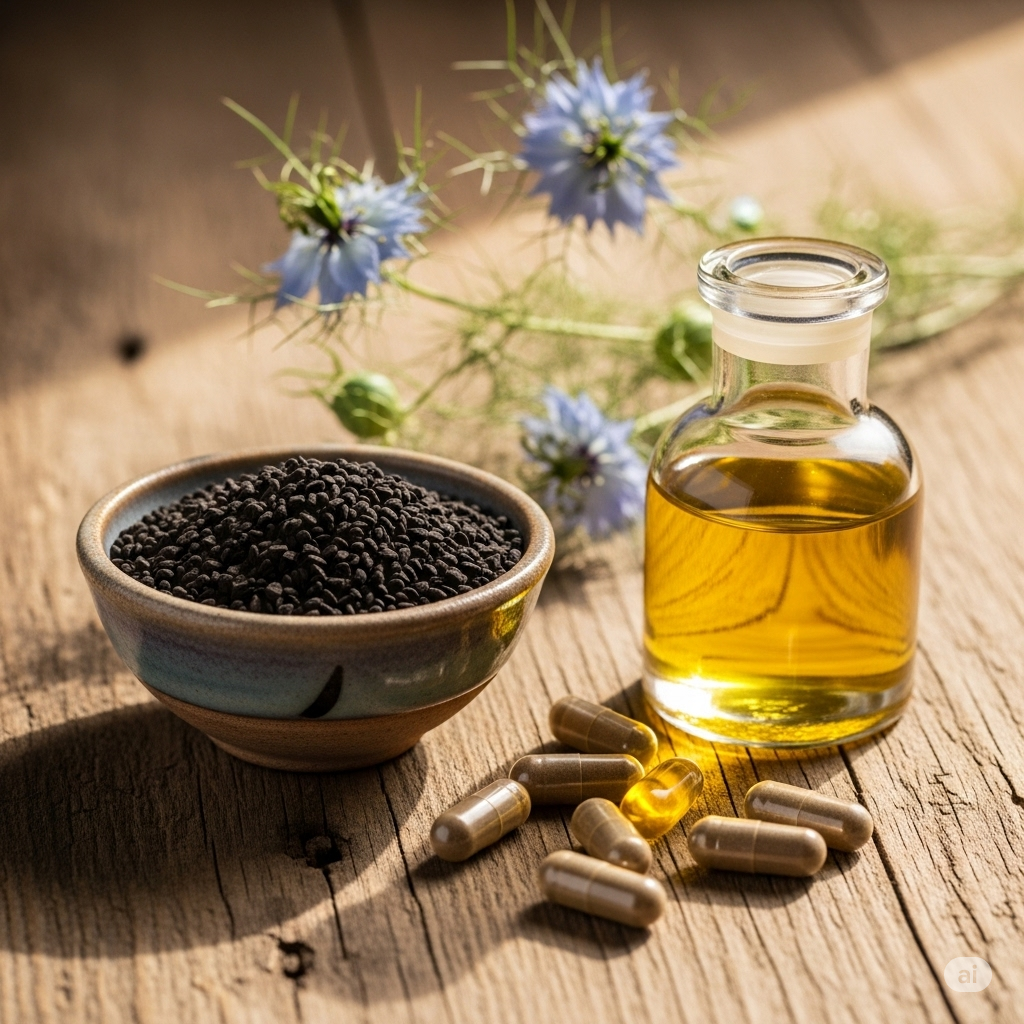
Thymoquinone can be taken in several different ways, typically via products based on Nigella sativa.
- Black cumin oil (Black Seed Oil) This is the most widespread form. The oil’s quality and concentration of thymoquinone can vary significantly between different manufacturers. Cold-pressed, unfiltered oil of high quality is often preferred.
- Dried seeds Whole or freshly ground seeds can be used in cooking or taken directly. By grinding the seeds, the oil and active substances are more easily released.
- Capsules Capsules contain either black cumin oil or powdered seeds. The advantage of capsules is more precise and standardized dosing as well as a neutral taste.
- Standardized extracts Some dietary supplements are formulated as extracts that are guaranteed to contain a certain percentage of thymoquinone. This ensures a consistent and potent dose of the active substance.
Conclusion
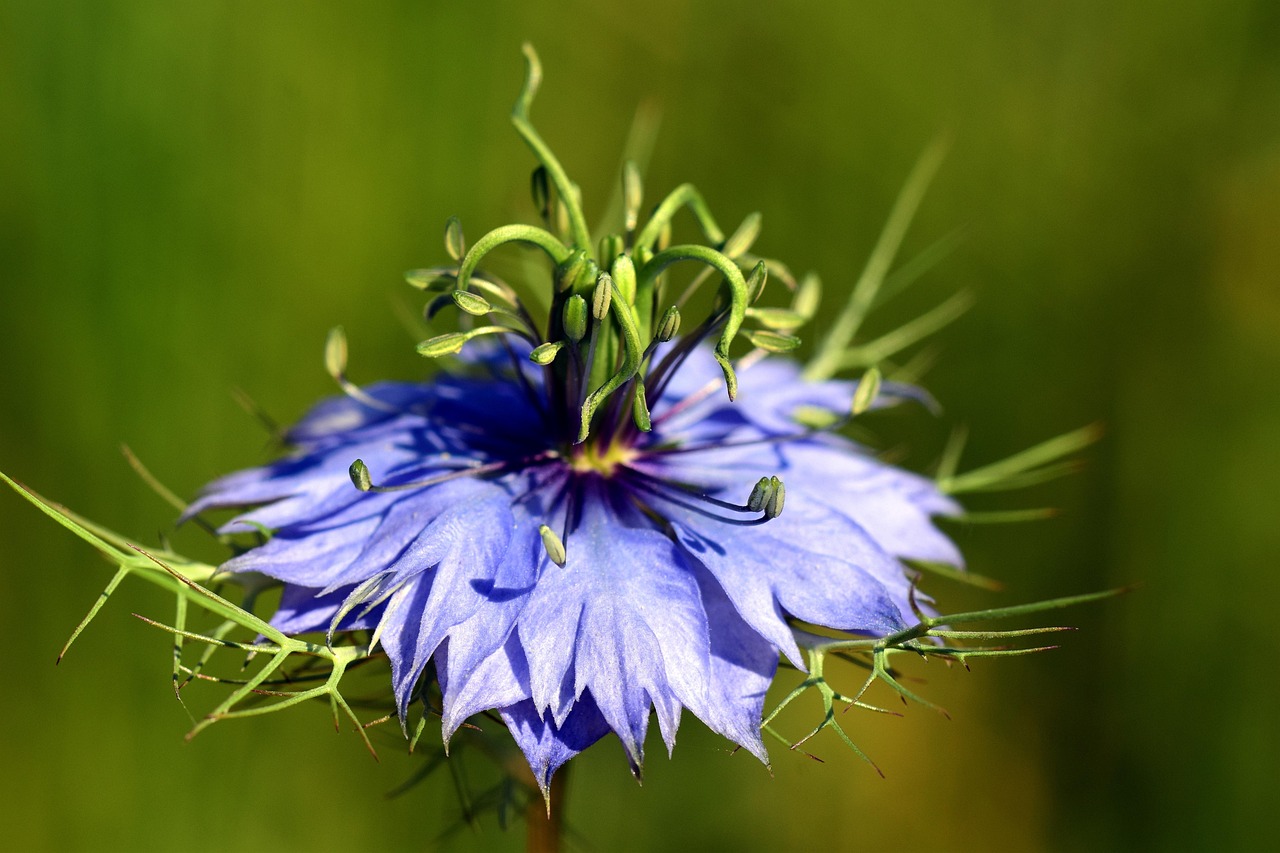
Thymoquinone represents a fascinating bridge between millennia-old traditional herbal medicine and modern, targeted cancer research.
Its ability to attack cancer cells from multiple fronts simultaneously, combined with its potential to enhance the effect of conventional treatments and protect the body’s healthy tissue, makes it an unusually promising natural preparation.
Although there is still a need for more large clinical studies to establish its precise role and dosage, the overwhelming amount of preclinical research indicates that thymoquinone can be a valuable and safe ally in a complementary and integrated approach to cancer treatment.
Back to Supplements
Also see Integrative Oncology
Also see Black cumin
Links
[1] Protective Effects of Thymoquinone on Pulmonary Disorders in Experimental Studies (PubMed, 2018)
- Content: Thymoquinone can protect against lung disorders by having anti-inflammatory, antioxidant, and anti-tumor properties. It can help treat inflammatory lung diseases, fibrosis, asthma, and lung cancer, supporting its potential as a therapeutic solution.
[2] Anticancer potential of Thymoquinone from Nigella sativa L.: An in-silico and cytotoxicity study (PubMed, 2025)
- Content: Thymoquinone, extracted from Nigella sativa, shows potential anti-cancer activity by causing cell death in leukemia cells, making it a promising alternative with lower side effects than traditional chemotherapy.
[3] Thymoquinone enhances efficacy of cervical Cancer therapeutic vaccines via modulating CD8+ T cells (PubMed, 2025)
- Content: Thymoquinone can enhance the effect of cervical cancer vaccines by increasing the activity of CD8+ T cells and reducing immunosuppressive Tregs, thereby improving the body’s anti-tumor response. It has potential as an effective adjuvant in cancer immunotherapy.
[4] Current insights into plant volatile organic compound biosynthesis (PubMed, 2025)
- Content: Thymoquinone, found in the plant type Nigella sativa, has been shown to have anti-cancer properties by inducing cell death in cancer cells, including leukemia. It has potential as a low-toxic, natural treatment in cancer therapy.
- Content: Thymoquinone can increase glioblastoma’s sensitivity to TMZ by inhibiting the Wnt/β-catenin pathway and thus reducing MGMT expression, which improves the effect of chemotherapy without serious side effects.
[6] Targeting Lymphoma With Benzoxazole Derivatives: Effects on Viability and Protein Expression in Cell Lines (PubMed, 2025)
- Content: Thymoquinone has potential as an anti-cancer agent, as it can bind to and inhibit important protein systems such as Akt and NF-κB, which can reduce cancer cell growth and survival in various types of lymphoma.
[7] Anti-Breast Cancer Effects of Thymoquinone-Chemotherapeutic Combinations: A Systematic Review of the Latest In Vitro and In Vivo Studies (PubMed, 2025)
- Content: Thymoquinone can improve breast cancer treatment by increasing cell apoptosis, controlling the cell cycle, and reducing treatment side effects. The combination with chemotherapy has great potential, but further clinical studies are needed.
[8] Enhanced Apoptosis in Pancreatic Cancer Cells through Thymoquinone-rich Nigella sativa L. Methanol Extract: Targeting NRF2/HO-1 and TNF-α Pathways (PubMed, 2025)
- Content: Thymoquinone from Nigella sativa has shown strong anti-cancer activity against pancreatic cancer by reducing cell growth, inducing apoptosis, and inhibiting invasion through modulation of important signaling pathways such as NRF2/HO-1 and TNF-α. This supports the potential for TQ as a future therapeutic agent in the treatment of pancreatic cancer.
[9] Promotion of Autophagy and Apoptosis in Colorectal Cancer Exposed to Imatinib and Thymoquinone (PubMed, 2025)
- Content: Thymoquinone, when combined with imatinib, can promote both autophagy and apoptosis in colorectal cancer cells, leading to effective cell death. This underscores thymoquinone’s potential as an adjuvant in cancer treatment by strengthening the natural death processes in cancer cells.
[10] Therapeutic Implications of Black Seed and Its Constituent Thymoquinone in the Prevention of Cancer through Inactivation and Activation of Molecular Pathways (Research Gate, 2014)
- Content: Thymoquinone from Nigella sativa can help prevent cancer by affecting cell transfer pathways, which can contribute to cancer prevention and treatment. It is a natural and potentially safe alternative to conventional chemotherapy agents.
[11] An investigation into the usage of black cumin derivatives against cancer and COVID-19 as the nature medicine (PubMed, 2024)
- Content: Thymoquinone from Nigella sativa may have a protective effect against COVID-19 by interacting with important receptors such as ACE2, and it may also contribute to cancer protection by inhibiting enzymes such as HDAC2. These natural substances show potential for both antiviral and anti-cancer treatment.
Page created: June 23, 2025
❤
What you read on “Jeg har Kræft” is not a recommendation. Seek competent guidance.
