


Iodine as a supplementary treatment for cancer
Summary of Iodine
Effect:
- Iodine is an essential trace element that is crucial for metabolism. It also functions as an antioxidant, strengthens the immune system, and can cause cancer cells to commit suicide (apoptosis).
Potential in cancer:
- Research, especially in certain types of breast cancer, shows that iodine can improve the effectiveness of chemotherapy, counteract resistance, and reduce side effects. Its ability to be absorbed into tissues like the breast and prostate provides a targeted effect.
Primary limitation:
- High doses of iodine can disrupt thyroid function and lead to either hypothyroidism (low metabolism) or hyperthyroidism (high metabolism). It is therefore important to use it thoughtfully, especially if you have a known thyroid condition.
Summary:
- Iodine is a multifunctional substance with interesting potential as a supplementary cancer treatment. It can both attack cancer cells and strengthen the body’s defenses. However, it should be used with knowledge and respect for its potent effect on metabolism.
What is iodine

Iodine is a vital trace element crucial for the formation of metabolic hormones.
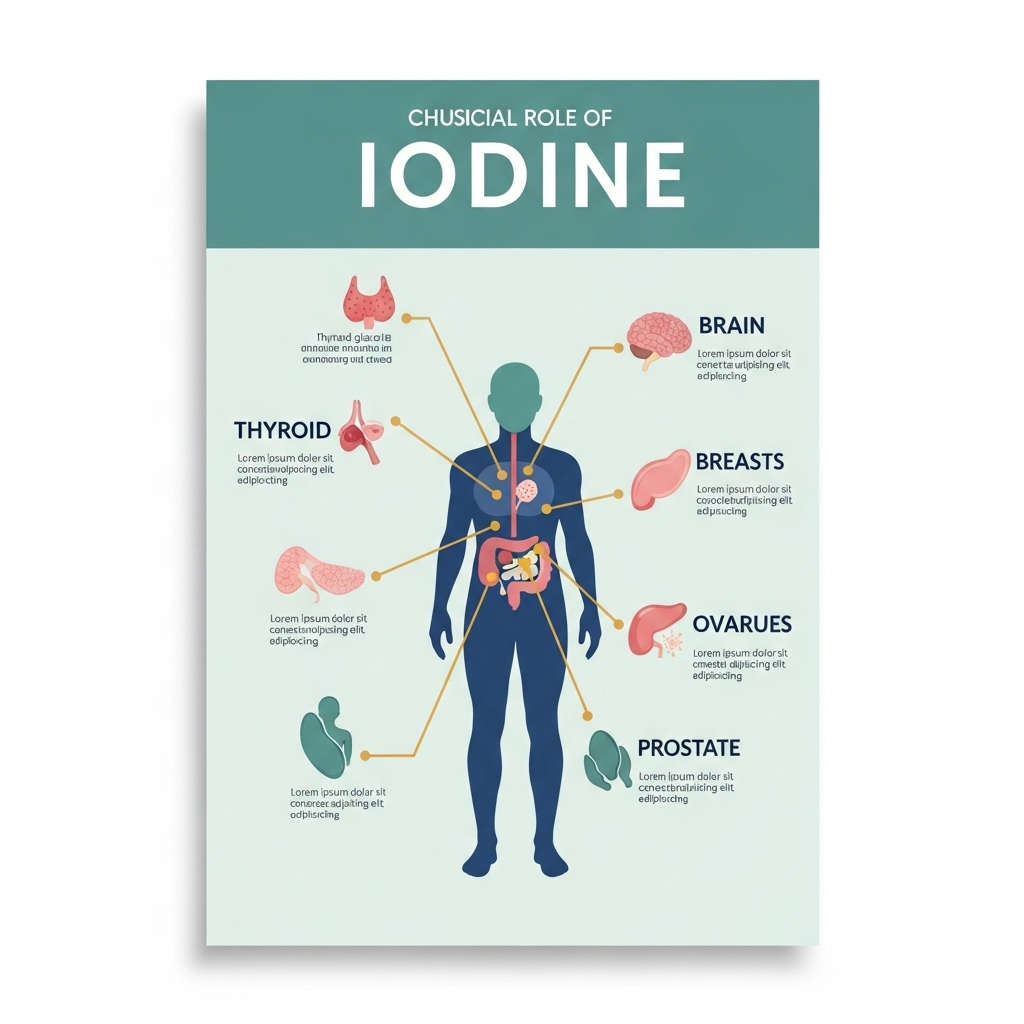
Research shows, however, that iodine has far more functions and is important, among other things, for the health of breast, prostate, and ovarian tissue.
This broad action has led to an increasing interest in iodine’s potential as a supplementary agent in connection with cancer, where it can contribute to creating an environment in the body that is unfavorable for the growth of cancer cells.
History
Iodine was discovered in 1811 and quickly recognized for its medical value. It became the primary treatment for goiter (enlarged thyroid gland) and was widespread as an effective antiseptic (Lugol’s iodine solution) before the era of antibiotics.
In modern medicine, radioactive iodine is a standard treatment for certain types of thyroid cancer. Now, the potential of non-radioactive iodine in other forms of cancer is being intensely investigated.
Mechanisms of action

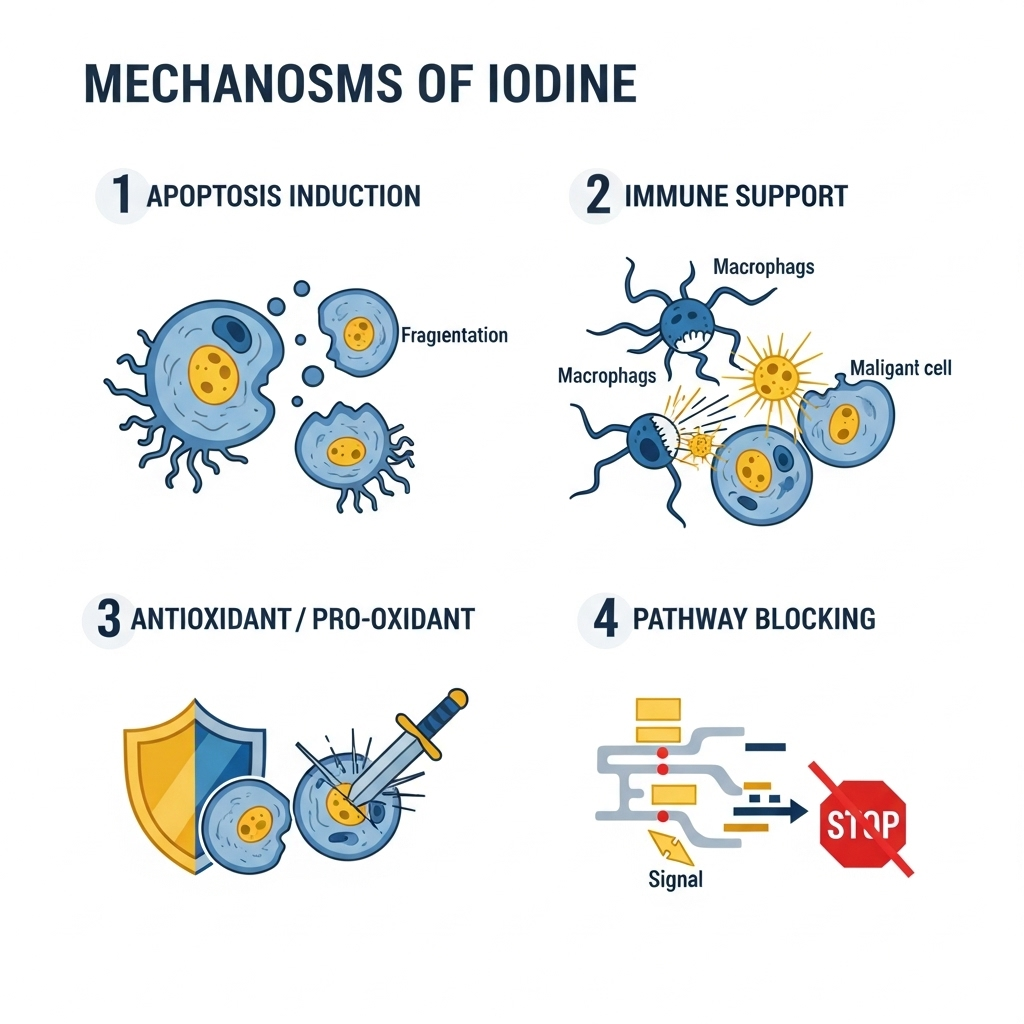
Iodine’s potential against cancer is due to several concurrent mechanisms. Its most unique property is the ability to function differently in healthy cells and cancer cells.
Antioxidant and pro-oxidant
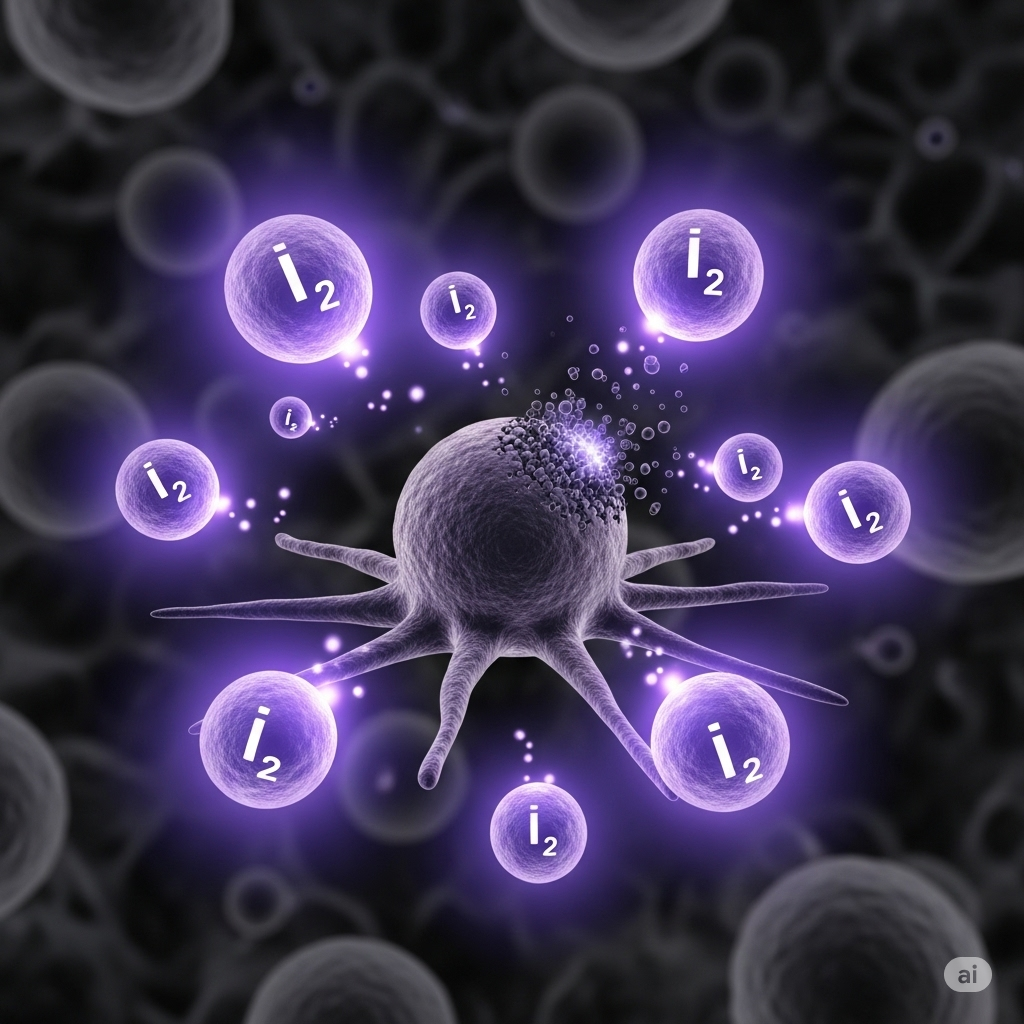
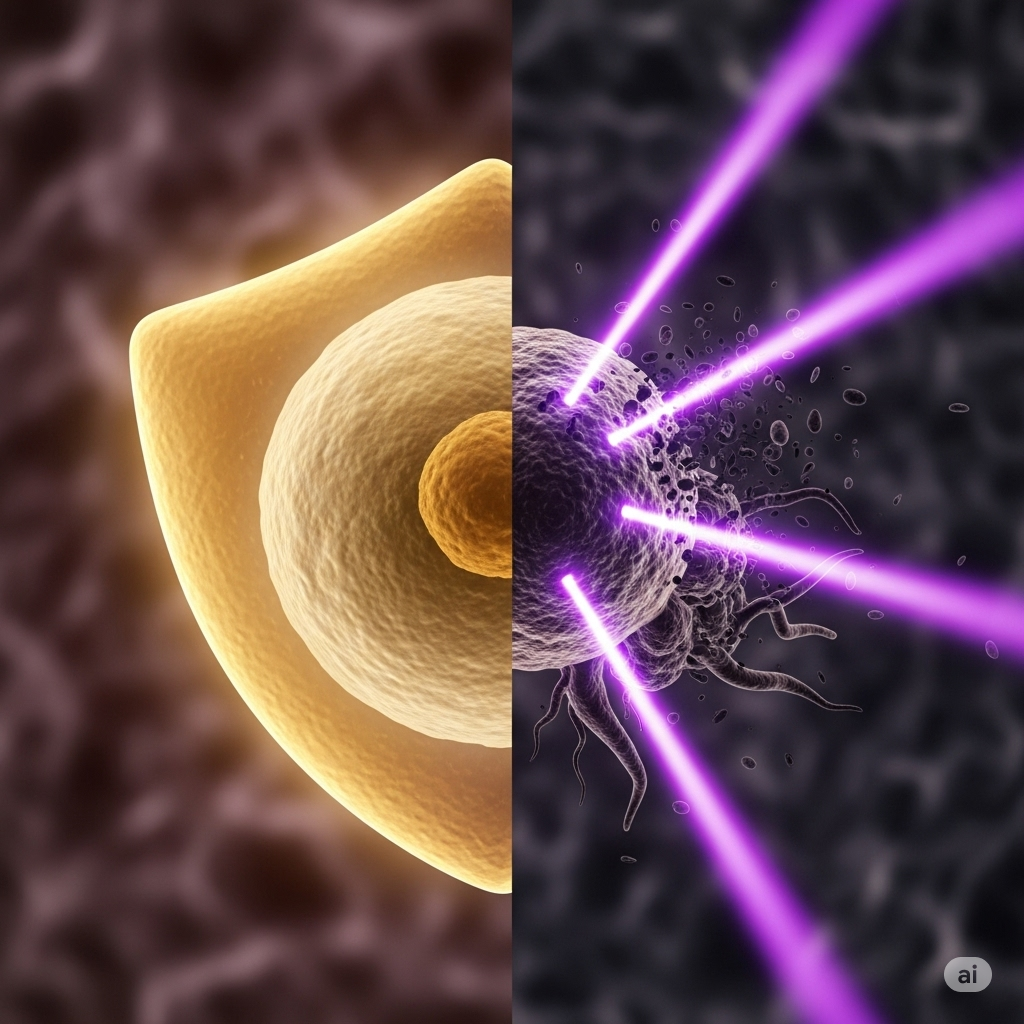
In healthy cells, iodine functions as an antioxidant that protects against DNA damage from free radicals. In cancer cells, on the other hand, iodine can act as a pro-oxidant.
It increases harmful oxidative stress inside the cancer cell to a lethal level, which can lead to the cell’s demise without damaging surrounding healthy cells to the same extent.
Induction of apoptosis
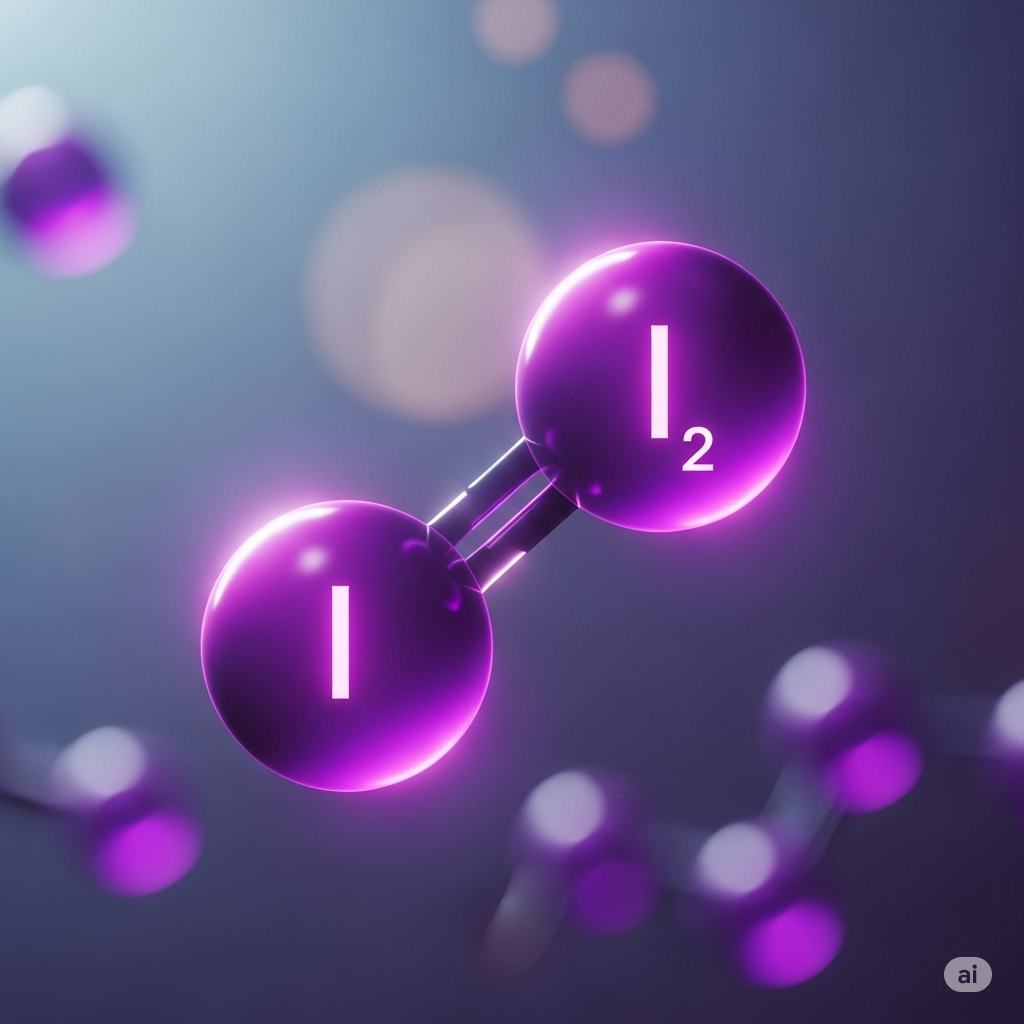
Cancer cells are masters at avoiding the body’s natural cleanup process, apoptosis (programmed cell death). Iodine, especially in its molecular form ($I_{2}$), can reactivate this process. This occurs by disrupting the cancer cells’ “power plants” (mitochondria), which starts a chain of signals resulting in the cell’s self-destruction.
Iodolipids and cancer-inhibiting receptors
Within the cells, iodine can bind to fatty acids and form so-called iodo-lipids. One of these, 6-iodolactone (6-IL), activates a receptor in the cell nucleus (PPAR$\gamma$), which acts as a cancer inhibitor by slowing cell division, promoting cell “maturation,” and contributing to apoptosis.
Strengthening the immune system
Iodine can also strengthen the immune system’s ability to fight cancer. It can stimulate parts of the immune system (Th1 cells and interferon-gamma) that are crucial for directing an attack on cancer cells.
Potential in cancer
Iodine’s potential as a supplementary treatment is not limited to one type of cancer but is being investigated across several, especially those in hormone-sensitive tissues.
The epidemiological observation that populations with a high iodine intake, such as in Japan, have a significantly lower incidence of breast, prostate, and uterine cancer has been a strong driver for research.
Breast cancer
Breast tissue is, after the thyroid gland, one of the tissues in the body with the highest concentration of iodine. Iodine deficiency is believed to make breast cells more sensitive to estrogen stimulation, which is a known risk factor for hormone receptor-positive breast cancer. Molecular iodine ($I_{2}$) seems to have a specific link to breast tissue and exerts several beneficial effects:
- Anti-estrogen effect: Iodine can downregulate the activity of estrogen receptors, making cells less sensitive to estrogen.
- Reduction of fibrocystic tissue: Clinical studies have shown that supplementation with molecular iodine can alleviate symptoms of fibrocystic breast disease, a condition that in some cases is associated with a slightly increased risk of breast cancer.
- Improvement of chemotherapy: A pilot study has shown that supplementation with molecular iodine given along with conventional chemotherapy to breast cancer patients could increase treatment effectiveness, reduce chemoresistance, and significantly decrease side effects.
[10]Adjuvant Effect of Molecular Iodine in Conventional Chemotherapy for Breast Cancer. Randomized Pilot Study (ResearchGate, 2019)
Thyroid cancer
Here, iodine’s role is well-known. Treatment with radioactive iodine (I-131) is standard treatment after surgery for differentiated forms of thyroid cancer.
Since thyroid cells (and cancer cells derived from them) are specialized in absorbing iodine, a radioactive version of iodine can be used to target and destroy any remaining cancer cells in the body with minimal damage to other tissues. The principle utilizes the cancer cells’ own biology against them.
Prostate cancer
Like breast tissue, prostate tissue also has the ability to absorb and concentrate iodine.
Preclinical studies, both in vitro (in test tubes/petri dishes) and in vivo (in living organisms), have shown that both iodide ($I^{-}$) and molecular iodine ($I_{2}$) can inhibit the growth of prostate cancer cells and induce apoptosis.
Although clinical data are still limited, the lower incidence of prostate cancer in Japan points to a possible protective potential.
Other cancer forms
Iodine’s potential is also being investigated in connection with ovarian cancer, stomach cancer, and skin cancer (melanoma).
The mechanisms are generally the same: induction of apoptosis and inhibition of cell growth.
Additionally, Lugol’s iodine solution is used in endoscopy to visualize precursors to esophageal cancer, as normal cells are stained dark brown by the iodine, while dysplastic (abnormal) cells and cancer cells remain unstained.
Advantages of iodine
As a supplementary treatment, iodine involves several advantages beyond the direct cancer-inhibiting effect.
Improved treatment effect and fewer side effects
Clinical data indicate that iodine can make cancer cells more sensitive to chemotherapy and thus improve the treatment outcome. At the same time, it has been shown to dampen the harsh side effects often associated with chemotherapy, significantly improving quality of life during the course.
Targeted action
The body naturally concentrates iodine in the tissues where it has shown the greatest potential (thyroid, breast, prostate). This provides a more targeted action compared to many other treatments that affect the whole body.
Support for brain development
Iodine’s most critical role for the nervous system takes place during the fetal stage and in early childhood. Metabolic hormones, which are dependent on iodine, act as master conductors for the correct development of the brain, including the formation of connections between nerve cells and myelination (the protective fat layer around nerves).
Iodine deficiency in the mother during pregnancy can therefore have serious consequences for the child’s cognitive potential.
Maintenance of mental sharpness
In adults, a stable production of metabolic hormones is crucial for maintaining cognitive function. Many with metabolic imbalances experience symptoms like brain fog, memory difficulties, and decreased concentration.
Adequate iodine intake is the foundation for producing the hormones necessary for mental clarity.
Importance for mood and balance
There is a close and well-known connection between thyroid function and mental balance. The hormones iodine helps form influence the body’s overall energy level and can affect mood.
Ensuring a healthy foundation for metabolism is therefore also an important element in supporting mental well-being.
Disadvantages and limitations
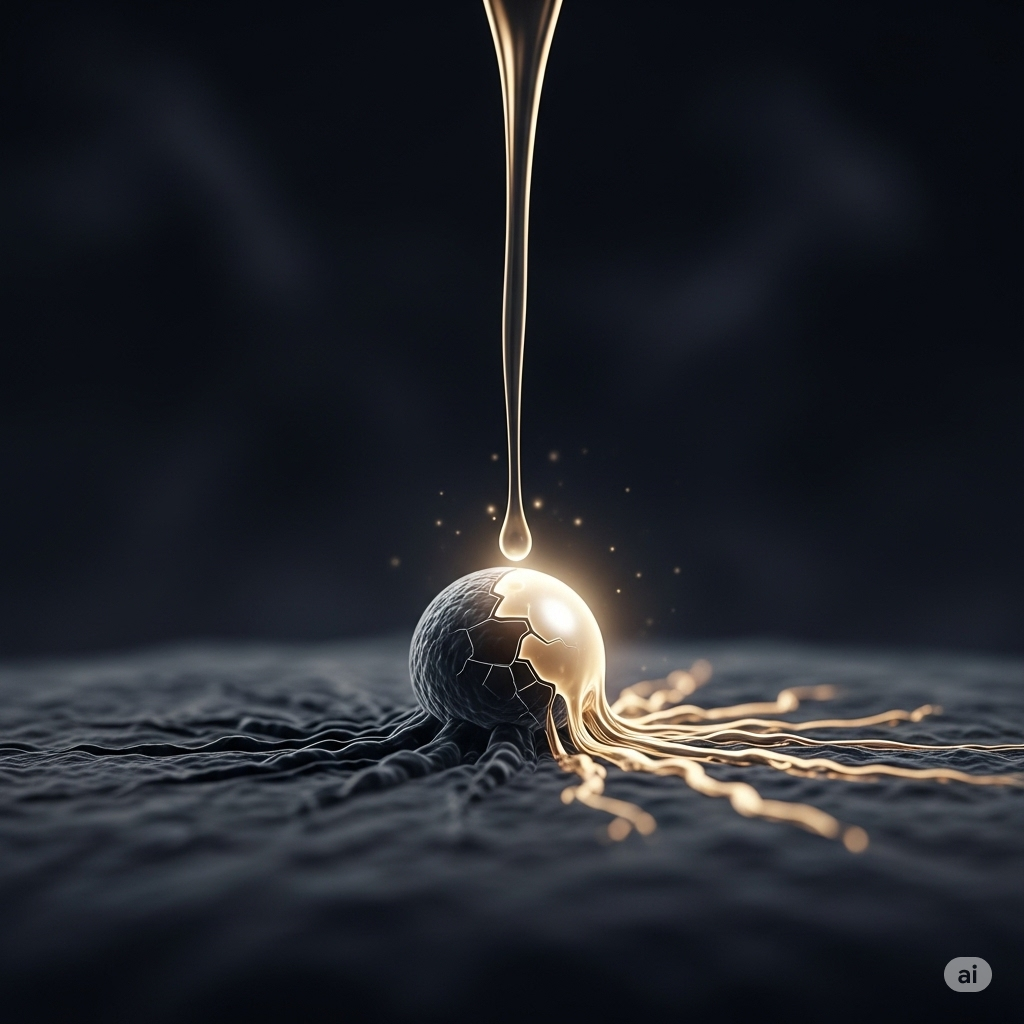
Although iodine is natural, it is potent, and high doses require caution. The primary concern is the impact on the thyroid gland.
- Disruption of metabolism: A sudden, high intake of iodine can temporarily slow down the production of metabolic hormones (hypothyroidism), especially in people with autoimmune thyroid diseases. Conversely, in people with nodules in the thyroid gland, it can provoke overproduction (hyperthyroidism).
- Need for more research: Although initial results are extremely promising, more large clinical studies are needed to finally establish iodine’s role and optimal dosage in cancer treatment.
Clinical studies
A key pilot study on breast cancer patients showed that a daily supplement of molecular iodine along with chemotherapy resulted in a significantly better treatment response and higher disease-free survival compared to chemotherapy alone.
While the use of radioactive iodine in thyroid cancer is well-documented, research into iodine for other types of cancer is still at an earlier stage, but with highly encouraging preliminary results.
Safety
When using iodine as a supplement, it is important to ensure you also get enough of the trace element selenium, as the two work closely together to protect the thyroid gland.
It is also a good idea to know your thyroid status before starting high doses.
Iodine has few known interactions with medication, but caution should be exercised with concurrent use of certain types of blood pressure and diuretic medications.
Caution with
Be cautious with iodine supplements, especially those containing potassium iodide, if you are taking the following types of medication:
- Potassium-sparing diuretics: These drugs increase the body’s potassium levels. Since iodine supplements are often in the form of potassium iodide, a combination can lead to high levels of potassium in the blood (hyperkalemia), which can be dangerous for the heart.
- Examples: Spironolactone (Spiron, Aldactone), Amiloride, Eplerenone (Inspra).
- ACE inhibitors (blood pressure medication): This type of medication is used to treat high blood pressure and heart failure. They can also increase potassium levels in the body; therefore, the same caution applies.
- Examples: Enalapril, Lisinopril, Ramipril.
- Angiotensin II receptor blockers (ARBs) (blood pressure medication): These work similarly to ACE inhibitors and entail a risk of elevated potassium when used concurrently with potassium iodide.
- Examples: Losartan, Valsartan, Candesartan.
- Anti-thyroid drugs: If you are taking medication to dampen an overactive thyroid, iodine intake can counteract the effect of your medication or worsen your condition.
- Examples: Thiamazole (Thycapzol), Propylthiouracil.
Dispensing and application

Iodine as a supplement is available in various forms that work and are absorbed differently.
- Potassium Iodide ($I^{-}$): The most common form in salt and multivitamins, primarily absorbed by the thyroid gland.
- Molecular Iodine ($I_{2}$): A form that especially seems to have an effect in breast and prostate tissue.
- Lugol’s Iodine Solution: A mixture of the two forms above, providing a broad effect.
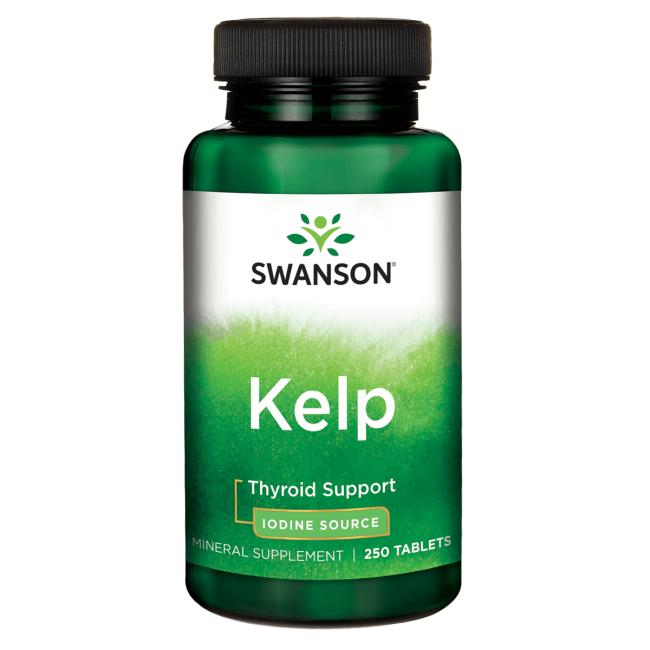
- Seaweed-based supplements: Natural sources like kelp, containing iodine in organic form.
Note
Discuss the use with your practitioner before starting to use iodine supplements, so you can clarify if there are specific risks in your specific situation.
Conclusion

Iodine is an extremely interesting supplement in an integrated approach to cancer. Its ability to both fight cancer cells directly, strengthen the immune system, and improve the effectiveness of conventional treatment makes it a unique tool.
The existing data are promising and point to a significant potential.
An informed approach, respecting iodine’s potent effect and taking safety aspects into account, is crucial for achieving the best results.
Back to Dietary supplements
See also Dietary Supplements and Chemotherapy
See also Nutrition and Diet as a Strategy
Links
[1] Exploring the promising therapeutic benefits of iodine and radioiodine in breast cancer cell lines (PubMed, 2024)
- Content: The study shows that iodine and radioiodine can reduce the survival of breast cancer cells in the laboratory. Iodine had a toxic effect on the cells, especially at high doses, and radioiodine increased this effect.
[2] Molecular Iodine Improves the Efficacy and Reduces the Side Effects of Metronomic Cyclophosphamide Treatment against Mammary Cancer Progression (MDPI, 2024)
- Content: The study shows that molecular iodine ($I_{2}$) can improve the effect of low-dose metronomic chemotherapy with cyclophosphamide in mice with breast cancer. $I_{2}$ reduces tumor growth, protects against weight loss and bleeding, and increases the body’s antitumor immune response.
[3] Potassium Iodide Induces Apoptosis in Salivary Gland Cancer Cells (PubMed, 2025)
- Content: The study shows that treatment with potassium iodide (KI) can inhibit growth and induce apoptosis in salivary gland cancer cells by increasing oxidative stress.
[4] The Potential of Iodine as A Treatment for Breast Cancer: A Narrative Review (Research Gate, 2023)
- Content: Research shows that iodine can have anticancer properties in breast cancer by inhibiting growth, inducing apoptosis, and activating the immune system.
[5] Molecular Iodine Has Extrathyroidal Effects as an Antioxidant, Differentiator, and Immunomodulator (International Journal of Molecular Sciences, 2021)
- Content: An important review article describing iodine’s many functions outside the thyroid gland. It explains how molecular iodine ($I_{2}$) in cancer cells can form iodolipids that activate apoptosis pathways.
[6] Iodine for thyroid, breast, prostate, pregnancy and cancer prevention (Brooklyn NeuroAcupuncture, 2015)
- Content: Iodine is essential for the thyroid, fetal development, and cancer prevention. Deficiency can cause fatigue, nodules, and cancer.
[7] Iodine Alters Gene Expression in the MCF7 Breast Cancer Cell Line: Evidence for an Anti-Estrogen Effect of Iodine (International Journal of Medical Sciences, 2028)
- Content: Research shows that iodine can affect breast cancer at the molecular level by changing gene expression in cancer cells, suggesting an anti-estrogen effect.
[8] Molecular Iodine Induces Caspase-independent Apoptosis in Human Breast Carcinoma Cells Involving the Mitochondria-mediated Pathway (Research Gate, 2006)
- Content: Molecular iodine ($I_{2}$) can induce cell death (apoptosis) in several breast cancer cells, especially via a mitochondria-based pathway.
[9] Activation of peroxisome proliferator-activated receptor gamma is crucial for antitumoral effects of 6-iodolactone (PubMed, 2015)
- Content: The study shows that molecular iodine ($I_{2}$) and its active metabolite 6-iodolactone (6IL) can inhibit growth and promote death of breast cancer cells through activation of PPARG receptors.
[10] Adjuvant Effect of Molecular Iodine in Conventional Chemotherapy for Breast Cancer. Randomized Pilot Study (ResearchGate, 2019)
- Content: A key pilot study showing that iodine as a supplement to chemotherapy significantly improved treatment response and disease-free survival.
Page created: Jul 10, 2025. Last revised: Apr 30, 2026.
❤
What you read on Jeg har Kræft is not a recommendation. Seek competent guidance.
