


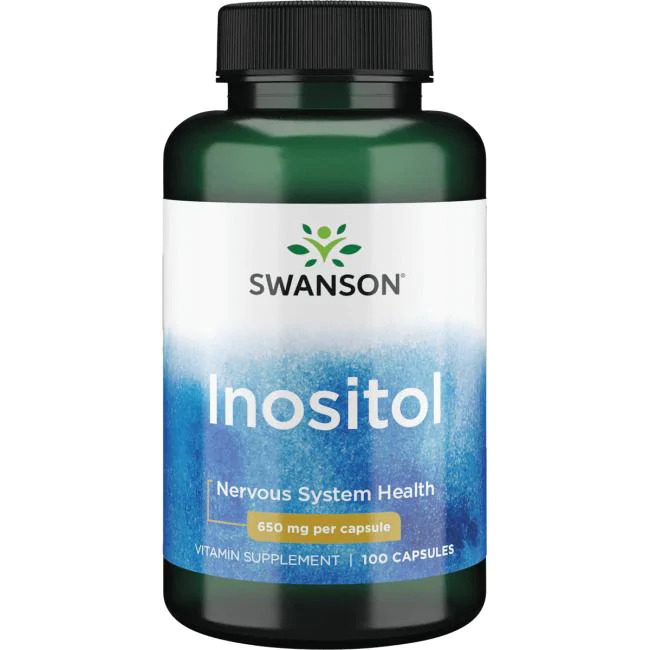
Inositol and cancer
What is Inositol
Inositol, also known as myo-inositol (the most common natural form), is a cyclic polyol (sugar alcohol) and is often considered a vitamin-like substance, although the body can also produce it in small amounts.
History
Historically, inositol was first isolated in the mid-19th century from muscle tissue. In traditional medicine, inositol has not played a prominent role as an independent agent, but its presence in various foods such as whole grains, nuts, seeds, fruits, and vegetables has always been part of a healthy diet. In recent years, interest in inositol’s potential health benefits has increased significantly, particularly in areas like mental health and metabolic function.
See also Metabolic treatment for cancer
Mechanisms of action
Inositol’s mechanisms of action are complex and involve several biochemical pathways in the body. Central to its function is its role as a precursor for various signaling molecules called inositol phosphates. These molecules are crucial for intracellular signaling (communication within cells) and influence a wide range of cellular processes [2, 4].
Inositol phosphates and signaling
Inositol is converted in the cell membrane into phosphatidylinositol phosphates (PIPs), which are key components in signal transduction. Various stimuli activate enzymes that hydrolyze (split using water) PIPs into secondary messengers such as inositol trisphosphate (IP3) and diacylglycerol (DAG).
When IP3 releases calcium inside the cell, it triggers a series of reactions. One of these reactions is the activation of proteins that function as “igniters” for other processes in the cell. It can also change which genes in the cell are active. DAG also activates some of these “igniters,” especially a type called protein kinase C, which is important for how cells grow, specialize, and die in a programmed manner.
Impact on insulin resistance
Inositol, especially myo-inositol, plays a role in insulin signaling. It is believed to improve insulin sensitivity by affecting signaling pathways involved in glucose uptake into the cells. Research suggests that inositol can increase the activity of enzymes central to the insulin effect and improve the transport of glucose from the blood into muscles and other tissues. This is particularly relevant to cancer, as insulin resistance has been linked to an increased risk of certain types of cancer and can affect treatment outcomes.
Antioxidant effect
Although inositol is not a direct antioxidant, it can indirectly contribute to reducing oxidative stress [8]. By supporting cellular functions and signaling pathways involved in protection against damage from free radicals (unstable molecules that can damage cells), inositol can help maintain a healthy cellular environment. Oxidative stress plays a role in the development and progression of cancer.
Influence on cell cycle and apoptosis
Inositol phosphates are involved in the regulation of cell cycle progression and apoptosis [2]. Disruptions in these processes are characteristic of cancer cells. Research in vitro (test tube/petri dish) has suggested that inositol can influence signaling pathways that control cell growth and programmed cell death in cancer cells, potentially by modulating the levels of various inositol phosphates [3, 4].
Neurotransmitter function
Inositol is also involved in the signaling of certain neurotransmitters in the brain, including serotonin and gamma-aminobutyric acid (GABA). Although this is primarily relevant for mental health, balanced neurotransmitter function can indirectly benefit cancer patients by affecting mood, sleep, and stress levels, all of which are important factors in managing the disease.
Potential as a supplementary treatment for cancer
Inositol’s potential as a supplementary treatment for cancer is still being investigated, but there are promising research results suggesting several ways it may be beneficial—especially in combination with conventional cancer treatment.
Improvement of insulin sensitivity and metabolic health
As mentioned, inositol plays a role in improving insulin sensitivity. Insulin resistance is frequent in cancer patients and can be associated with a poorer prognosis for certain types of cancer. By helping to regulate blood sugar and improve insulin action, inositol can potentially contribute to a more favorable metabolic profile in cancer patients. This may indirectly support the effectiveness of certain treatments and reduce the risk of complications [5].
Support for mental health and well-being
A cancer diagnosis and treatment can have significant psychological effects, including anxiety and depression. Inositol’s role in neurotransmitter systems could potentially help alleviate these symptoms and improve overall mental well-being. Although research primarily focuses on psychiatric conditions, the underlying mechanisms may also be relevant for supporting mood and managing stress in cancer patients. Better psychological well-being can have a positive impact on the ability to manage treatment and improve quality of life.
Potential direct anti-cancer effects
Some in vitro studies have suggested that inositol and its derivatives may have direct anti-proliferative (inhibiting cell growth) and pro-apoptotic (promoting cell death) effects on certain types of cancer cells [2, 3]. These studies often investigate specific inositol phosphates and their interactions with signaling pathways that are dysregulated in cancer. It is crucial to note that results from in vitro studies cannot be automatically transferred to effects in living organisms (in vivo) and require further research in human studies.
Reduction of certain side effects from conventional treatment
There is limited but growing interest in whether inositol can help reduce certain side effects associated with chemotherapy and radiation therapy. For example, it is being investigated whether inositol can have a protective effect on certain normal cells while potentially increasing the sensitivity of cancer cells to treatment [6].
Synergistic effects with other treatments
The possibility that inositol may have synergistic effects (enhance the action) with conventional cancer treatments is also being investigated. This could occur by affecting the same signaling pathways in cancer cells or by improving the overall cellular response to treatment [6, 7]. More research is needed to clarify if such synergistic effects exist and how they can best be utilized.
Advantages of Inositol
As mentioned above, inositol presents several potential advantages, especially when considered as a supplementary treatment for cancer patients.
Relatively few reported side effects
In general, inositol is considered well-tolerated in most people when taken at recommended doses. This is a significant advantage for cancer patients who often experience a range of side effects from their primary treatment.
Naturally occurring substance
Since inositol is a naturally occurring substance found in many foods, it may appeal to those who prefer more natural approaches to supporting their health during, after, or complementary to cancer treatment.
Broad-spectrum potential
Although the focus here is on cancer, inositol has shown potential in several other health areas, including mental health and metabolic syndrome. This broad-spectrum potential can be an additional benefit for cancer patients who may also struggle with other health challenges.
Opportunity to support quality of life
Through its potential effects on mental health, insulin sensitivity, and possibly the reduction of certain treatment side effects, inositol can contribute to an improved quality of life for cancer patients during a difficult time.
Potential synergistic effect with lifestyle changes
Inositol can potentially support the effectiveness of healthy lifestyle changes, such as a balanced diet and regular exercise, which are important for cancer patients.
Support for general cellular health
By playing a central role in the structure and signaling of cell membranes, inositol can contribute to maintaining healthy general cellular function, which is important for the body to handle the stresses that cancer and its treatment entail.
Interactions
At present, there are no known serious interactions between inositol and common cancer treatments. However, one should always consult their practitioner before starting a new dietary supplement to ensure there are no individual concerns or potential interactions to be aware of.
Metabolic targeting
Since metabolic disturbances like insulin resistance are common in cancer patients and can affect the course of the disease, inositol’s potential to improve insulin sensitivity can be a valuable advantage in this context [5].
Prevention
Although the focus is primarily on supplementary treatment, inositol’s potential effects on the cell cycle and apoptosis may also have implications for secondary prevention—i.e., reducing the risk of cancer recurrence. This, however, requires further research.
Support for hormonal balance
Inositol plays a role in hormonal signaling and may potentially be relevant for types of cancer that are hormone-sensitive. Further research is needed to understand these complex interactions.
Disadvantages and limitations
Limited evidence
One of the greatest limitations is the lack of comprehensive human clinical studies specifically examining inositol’s effect as a supplementary treatment for various types of cancer. Much of the promising research comes from in vitro studies or studies focusing on other health areas.
Dosage
There is as yet no standardized dosage or optimal form of inositol for use as a supplementary treatment for cancer. The doses used in research studies vary, and it is unclear which dose is most effective and safe for cancer patients. There will usually be a recommended dose indicated on the packaging.
Individual variations in response
As with all dietary supplements, there can be significant individual variations in how each person reacts to inositol. Factors such as genetics, diet, lifestyle, and the specific type of cancer can affect the outcome.
Side effects
Although inositol is generally well-tolerated, high doses in some individuals can cause mild gastrointestinal complaints such as nausea, diarrhea, or stomach upset. It is important to start with a low dose and gradually increase it to minimize the risk of these side effects.
Varying quality
The quality and purity of inositol supplements can vary between different manufacturers. It is important to choose products from reliable sources to ensure you are getting a high-quality product without harmful additives.
IP6 vs. Inositol
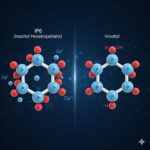
Although the names are often used interchangeably and the substances are closely related chemically, IP6 and Inositol are two different molecules with different primary roles in the body.
Inositol (the base molecule)
Inositol (specifically myo-inositol) is a vitamin-like substance, also known as vitamin B8. Its absolute most important function is to act as an intracellular signaling substance that helps transmit messages inside cells. It is a fundamental building block in the cells’ communication system. This signaling role is particularly crucial for the action of neurotransmitters in the brain, such as serotonin and dopamine. Therefore, Inositol is closely linked to the function of the nervous system, mood balance, and mental calm.
It is also a central component in the body’s insulin signaling, which is why it is often used to support stable blood sugar and for hormonal disturbances in women (such as polycystic ovary syndrome, PCOS).
IP6 (Inositol Hexaphosphate)
IP6 is a more complex version of the molecule. It consists of an Inositol molecule with six phosphate groups attached (hence the name hexa-phosphate). In nature, this substance is known as phytic acid, found in fiber-rich grain products, nuts, and legumes.
The six phosphate groups give IP6 entirely different properties:
- Powerful iron binder: IP6 is one of the most potent natural iron binders. This ability makes it a strong antioxidant as it neutralizes free iron, which can otherwise create harmful free radicals [8]. This mechanism is the basis for its use in protecting cells and supporting cardiovascular health.
- Immune modulator: Research has shown that IP6 has the ability to modulate and strengthen the immune system, especially by increasing the activity of Natural Killer (NK) cells, which are crucial for the body’s defense against abnormal cells [8].
Summary
| Feature | Inositol (base molecule) | IP6 (Inositol hexaphosphate) |
| Primary role | Signaling substance (messenger) | Antioxidant (via iron binding) & Immune modulator |
| Main focus | Nervous system, brain function, mood, insulin sensitivity | Immune system (NK-cells), heart protection, cell protection |
| Found as | Often “Inositol” or “Myo-Inositol” | Often “IP6” or “IP-6 & Inositol” (often sold together) |
Where Inositol is a signaling substance for nerves and metabolism, IP6 is an antioxidant and immune modulator. Although IP6 is broken down into Inositol in the body, the IP6 molecule itself has its own unique effects.
The two are often sold in a combined dietary supplement (“IP6 & Inositol”), as research suggests they work synergistically [7].
Research
The potential benefits of inositol may vary depending on the specific type of cancer and its molecular characteristics. There is a need for more research examining the effect of inositol on different forms of cancer [1].
The long-term effects of regular inositol intake, especially in cancer patients, are not yet fully elucidated. Studies following patients over a longer period are needed to assess both effectiveness and safety.
Clinical studies
There is a limited number of clinical studies specifically investigating inositol’s role as a supplementary treatment for cancer in humans. Some studies have investigated inositol’s potential in relation to:
- Chemotherapy-induced peripheral neuropathy (nerve damage): A smaller study suggested that myo-inositol may have a protective effect against nerve damage caused by certain chemotherapeutic agents.
- Metabolic syndrome and cancer risk: Studies have shown that inositol can improve insulin sensitivity and other metabolic parameters, which indirectly may be significant for cancer risk.
- Psychological well-being in cancer patients: Although not specifically focused on cancer treatment, studies have shown that inositol can have a positive effect on anxiety and depression, which may be relevant for the quality of life of cancer patients.
It is important to note that many of these studies are small and preliminary, and larger, well-designed clinical trials are needed to confirm these results and investigate inositol’s effect on different cancer types, dosages, and in combination with various forms of treatment.
Safety
Inositol is generally considered safe for most adults when taken at recommended doses. Serious side effects have rarely been reported in clinical studies. The most common side effects, which can occur at high doses (over 12 grams per day), are mild gastrointestinal complaints like nausea, diarrhea, and stomach upset.
It is important to be aware of the following safety precautions:
- Consult a practitioner: Before starting inositol as a dietary supplement if you are undergoing cancer treatment or have other underlying health conditions. They can advise you on the appropriate dose and potential interactions with your treatment.
- Interactions with medication: Although there are not many well-documented serious interactions at present, there is a theoretical possibility that inositol may affect the action of medications that directly target the serotonin system, such as certain types of antidepressants (SSRIs and SNRIs), or medications affecting blood sugar regulation, such as insulin and certain oral antidiabetics (e.g., metformin, sulfonylureas). Inositol can potentially enhance the effect of these drugs, which in theory could lead to increased side effects. Therefore, it is important to inform your practitioner about all supplements and medications you are taking.
- Pregnancy and breastfeeding: The safety of using high doses of inositol during pregnancy and breastfeeding has not been sufficiently studied. Pregnant and breastfeeding women should consult their doctor before taking inositol supplements.
- Impaired kidney function: Individuals with impaired kidney function should be cautious about taking high doses of inositol, as it may affect electrolyte balance.
- Blood sugar control: Since inositol can affect insulin sensitivity, individuals with diabetes or taking medication to regulate blood sugar should monitor their blood sugar levels closely and consult their practitioner to adjust medication if necessary.
Dispensing and application
Inositol is available as a dietary supplement in various forms:
- Powder: Inositol powder can be dissolved in water, juice, or other beverages. This allows for flexible dosing.
- Capsules: Capsules contain a measured dose of inositol and are easy to ingest.
- Tablets: Inositol is also available in tablet form.
The dosage of inositol varies depending on the purpose of use and individual needs. There is no standardized dose for supplementary treatment in cancer, and doses used in research studies typically vary from a few grams up to 12 grams per day. Start with a low dose and increase it gradually to assess tolerance and minimize potential side effects.
- Always follow the instructions on the product label and do not exceed the recommended dose unless otherwise prescribed by your practitioner.
- It is recommended to take inositol in connection with a meal to improve absorption and potentially reduce the risk of gastrointestinal complaints.
Conclusion
Inositol is a naturally occurring substance that plays an important role in various cellular processes. Although research into its potential as a supplementary treatment for cancer is still in the early stages, preliminary results suggest it may have several potential benefits, including improving insulin sensitivity, supporting mental health, and possibly offering direct anti-cancer effects and reducing certain side effects of conventional treatment [1, 2, 6, 7].
Inositol should not be considered a substitute for relevant cancer treatment but as a potential supportive element that should always be used in consultation with a qualified practitioner. More comprehensive clinical studies are needed to establish the optimal dosage, effectiveness, and safety of inositol as a supplementary treatment for different types of cancer.
Back to Dietary supplements
See also Dietary Supplements and Chemotherapy
See also Nutrition and Diet as a Strategy
Links
[1] NMR-based metabolomics combined with metabolic pathway analysis reveals metabolic heterogeneity of colorectal cancer tissue at different anatomical locations and stages (PubMed, 2025)
- Content: A study using metabolomics to show how metabolic pathways, including those related to inositol, vary in colorectal cancer.
[2] A nonenzymatic dependency on inositol-requiring enzyme 1 controls cancer cell cycle progression and tumor growth (PubMed, 2025)
- Content: Research exploring how enzymes related to inositol pathways control the cancer cell cycle and tumor growth.
[3] Isogarcinol Reduces MARS Levels and Deactivates the PI3K/AKT Pathway to Suppress the Malignant Properties of Breast Cancer Cells (PubMed, 2025)
- Content: A study on signaling pathways (PI3K/AKT) that interact with inositol-based molecules to suppress breast cancer properties.
[4] IRE1α-mediated UPR activation in gastrointestinal cancers: Adaptive mechanisms and therapeutic potential (PubMed, 2025)
- Content: Research on inositol-requiring enzymes as therapeutic targets in gastrointestinal cancers.
[5] Targeting the hERG1/β1 integrin complex in lipid rafts potentiates statins anti-cancer activity in pancreatic cancer (PubMed, 2025)
- Content: A study exploring metabolic targeting and cellular signaling in pancreatic cancer.
[6] Inositol hexaphosphate enhances chemotherapy by reversing senescence induced by persistently activated PERK and diphthamide modification of eEF2 (PubMed, 2024)
- Content: Research showing that IP6 can reverse resistance to chemotherapy (oxaliplatin) in colorectal cancer by affecting stress response pathways.
[7] The Combination of Inositol Hexaphosphate and Inositol Inhibits Metastasis of Colorectal Cancer Cells by Upregulating Claudin 7 (PubMed, 2023)
- Content: A study documenting that the combination of IP6 and inositol inhibits metastasis in colorectal cancer by preventing cellular transformation (EMT).
[8] Cellular and Molecular Activities of IP6 in Disease Prevention and Therapy (PubMed, 2023)
- Content: A review of the antioxidant, anti-inflammatory, and cancer-inhibiting properties of IP6 as a promising dietary supplement.
Page created: Apr 14, 2025. Last revised: Apr 30, 2026.
❤
What you read on Jeg har Kræft is not a recommendation. Seek competent guidance.
