


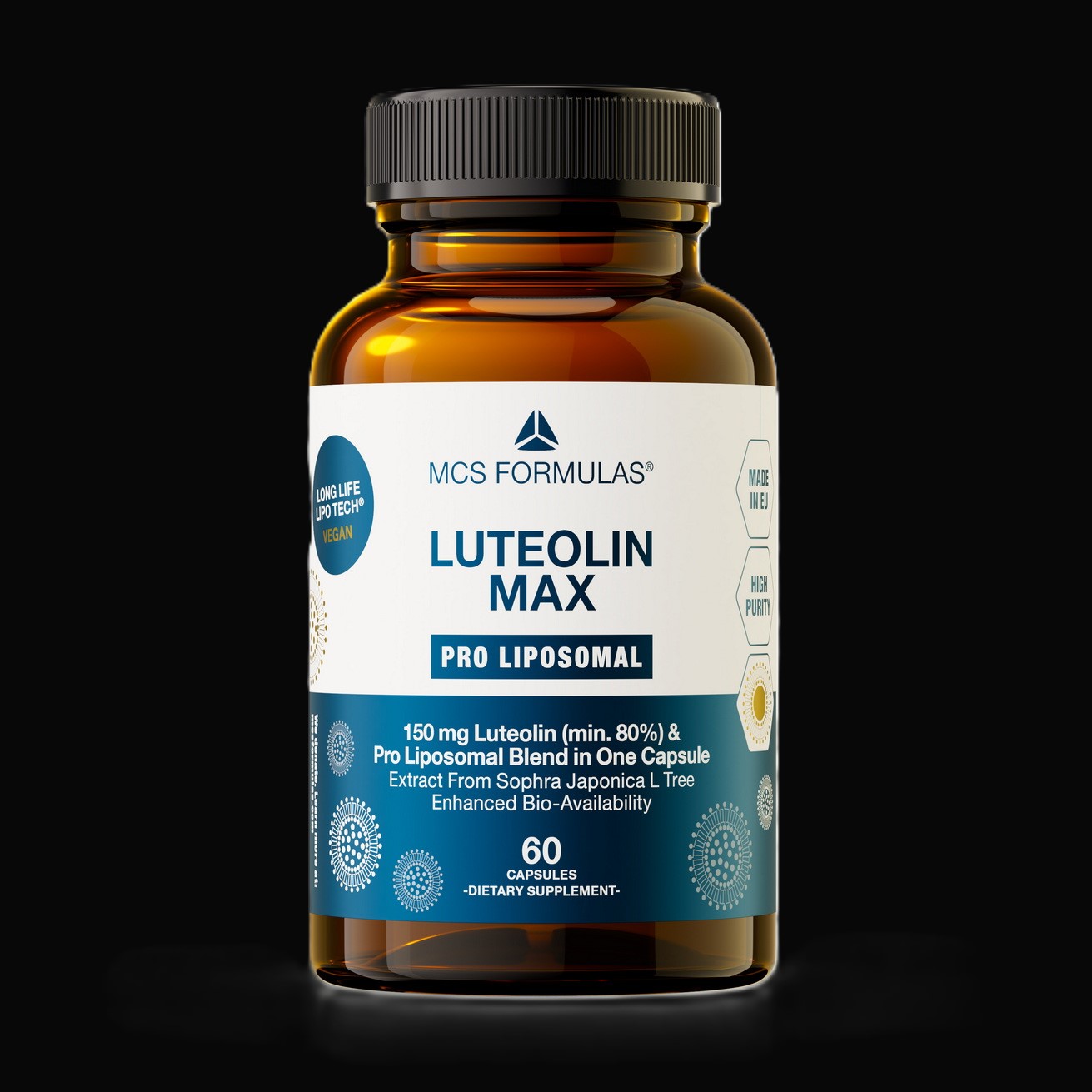
Luteolin and cancer
What is luteolin
Luteolin is a type of flavonoid, a plant-based compound with potent antioxidant properties. It is found in a variety of plants, including celery, parsley, artichokes, broccoli, onions, and certain spices.
Supplementary treatment for cancer
Luteolin has garnered significant interest in cancer research in recent years due to its potential anti-cancer properties. Several studies have shown promising results in laboratory experiments, where luteolin has inhibited the growth of certain cancer cells [2, 3].
Luteolin effect
Combats free radicals As an antioxidant, luteolin helps neutralize harmful free radicals in the body, which can contribute to aging and various diseases, including cancer.
Anti-inflammatory Luteolin can help dampen the body’s inflammatory response, which can be beneficial for individuals with chronic inflammatory conditions. Cancer is often associated with chronic inflammation, which is why luteolin may be beneficial in this context.
Inhibits cell growth Several studies suggest that luteolin can prevent cancer cells from dividing and growing [4].
Induces cell death in cancer cells Luteolin can trigger a process called apoptosis, where cancer cells essentially destroy themselves [6]. Furthermore, recent research shows it can induce ferroptosis [5].
In addition, luteolin has other beneficial properties, such as:
Protects the brain Preliminary studies suggest that luteolin may have a neuroprotective effect and could potentially help prevent neurodegenerative diseases like Alzheimer’s.
Supports cardiovascular health Some research suggests that luteolin may have a positive effect on the cardiovascular system by lowering blood pressure and reducing the risk of blood clots.
Luteolin as supplementary treatment
While the research is promising, it is important to emphasize that luteolin should not stand alone as a treatment for cancer, but rather be considered as a supplement to other relevant cancer treatments.
Supplementing conventional treatment Luteolin can potentially be used as a supplementary treatment alongside chemotherapy, radiation therapy, or other suitable treatments.
Enhances the effect of conventional treatment Some studies suggest that luteolin can increase the effectiveness of conventional cancer treatments and reduce side effects [6].
Prevention Luteolin may also have a preventive effect by reducing the risk of developing certain types of cancer [1].
Note
Individual differences The effect of luteolin can vary from person to person, depending on factors such as cancer type, stage, and individual genetic variations.
Lack of clinical trials Although there are promising results from laboratory experiments, more large-scale clinical human trials are needed to fully confirm the potential health benefits.
Interactions with medication Luteolin can potentially interact with other medical treatments. It is therefore important to talk to a competent advisor before you start taking luteolin as a supplement.
Where do you find luteolin?
As mentioned earlier, luteolin is found in a variety of plant-based foods. By including these foods in your diet, you can increase your intake of luteolin in a natural way.
Foods rich in luteolin:
- Celery
- Parsley
- Artichokes
- Broccoli
- Onions
- Bell pepper / Paprika
- Apple
- Citrus fruits
- Chrysanthemum flowers
- Certain spices
Quality of supplements There is no guarantee of the quality of luteolin supplements on the market. It is important to choose products from reliable manufacturers.
Conclusion
Luteolin, a flavonoid with strong antioxidant properties, has gained attention as a potential supplementary treatment for cancer. Its ability to combat free radicals, reduce inflammation, inhibit cell growth, and induce apoptosis in cancer cells makes it an interesting subject in cancer research. Additionally, luteolin shows promising results in supporting cardiovascular health and protecting the brain, highlighting its broader health benefits.
However, it is important to note that while the research is promising, more comprehensive clinical human trials are required to confirm luteolin’s effectiveness and safety as a cancer treatment. Luteolin should not be considered a substitute for conventional treatment methods, but rather as a supplementary approach that may improve the effect of chemotherapy or radiation therapy and possibly reduce side effects.
Individual differences in response to luteolin and possible interactions with medication make it essential to consult a doctor before starting luteolin as a supplement. By including luteolin-rich foods in the diet, one can naturally increase the intake of this potent flavonoid, but it is crucial to choose high-quality supplements from reliable manufacturers.
Overall, luteolin can play a valuable role in a holistic approach to cancer treatment, focusing on supporting the body and improving the quality of life for patients.
See also the page Supplements
Links
[1] Luteolin improves precancerous conditions of the gastric mucosa by binding STAT3 and inhibiting LCN2 expression (PubMed, 2025)
- Content: An article based on a study investigating how luteolin can improve precancerous conditions in the stomach lining by affecting specific proteins (STAT3 and LCN2).
[2] Therapeutic Potential of Luteolin on Cancer (PubMed, 2023)
- Content: A comprehensive review article describing luteolin’s potential as a natural plant substance that can inhibit cancer development by influencing cell processes such as growth, migration, and blood vessel formation.
[3] Luteolin, a flavonoid, as an anticancer agent (PubMed, 2019)
- Content: An article reviewing luteolin’s mechanisms of action as an anticancer agent, focusing on its ability to induce apoptosis and inhibit cell proliferation.
[4] Luteolin and cancer metastasis suppression (PubMed, 2021)
- Content: A study focusing on how luteolin may help suppress the spread (metastasis) of cancer cells in the body.
[5] Luteolin Induces GPX4-dependent Ferroptosis and Enhances Immune Activation in Colon Cancer (PubMed, 2025)
- Content: A recent study showing that luteolin can induce a specific type of cell death called ferroptosis and activate the immune system against colon cancer cells.
[6] CB-5083 and luteolin synergistically induce the apoptosis of bladder cancer cells via multiple mechanisms (PubMed, 2025)
- Content: An article describing how luteolin, in combination with other substances, can work synergistically to induce cell death in bladder cancer cells.
Page created: August 10, 2024
❤
What you read on Jeg har Kræft is not a recommendation. Seek competent guidance.
