


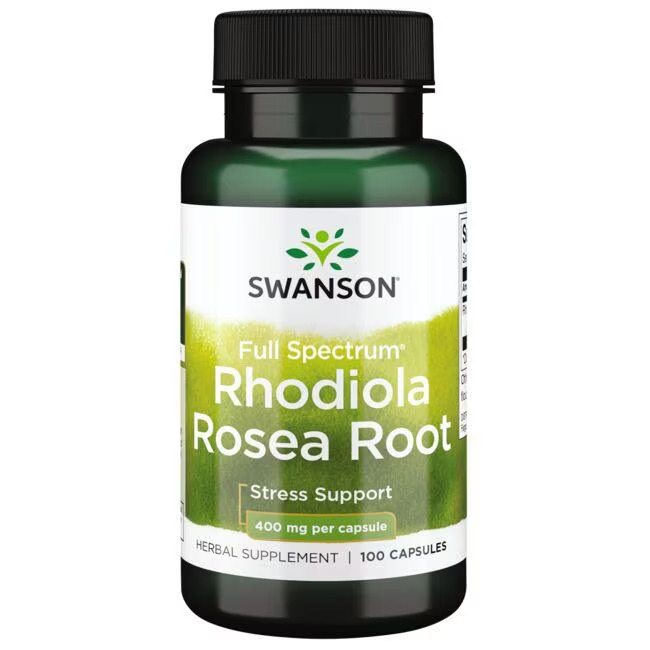
Rhodiola Rosea or Rosenrod and cancer
What is Rosenrod (Rhodiola Rosea)?
Rhodiola Rosea, or Rosenrod, is a plant belonging to the genus Rhodiola and grows wild in the cold regions of the world, including the Arctic, Scandinavia, and Siberia.
The plant’s popularity is increasing in modern times, where researchers are investigating its many potential health benefits, including its role as a possible complementary treatment for various health conditions.
History
For centuries, the root of this plant has been valued in traditional folk medicine, especially in Russia and Scandinavia, where it is known for its adaptogenic properties. Adaptogens are natural substances that are believed to increase the body’s resistance to physical, mental, and emotional stress.
Historically, Rosenrod has been used to combat fatigue, improve endurance, reduce stress, and increase general vitality. Vikings are believed to have used Rosenrod to increase their strength and endurance, and in Siberia, it was traditionally said that those who drink Rosenrod tea live long and happy lives.
Mechanisms of action
Rosenrod’s mechanisms of action are complex and involve a number of bioactive compounds, including rosavin, rosarin, rosin, and salidroside. These substances are believed to affect several physiological systems in the body, contributing to the plant’s adaptogenic effect.
Regulation of the stress response system
One of the primary mechanisms of action for Rosenrod is its ability to modulate the body’s stress response system, which involves the hypothalamus-pituitary-adrenal axis (HPA axis). Under stress, the body releases stress hormones such as cortisol. Prolonged stress can lead to overactivity of the HPA axis, which can have negative consequences for health.
Rosenrod is believed to help normalize the release of stress hormones, which can contribute to better stress management and prevention of stress-related disorders. Research suggests that Rosenrod can affect the levels of cortisol in the blood and saliva, thereby helping the body adapt to stressors [2].
Influence on neurotransmitters
Rosenrod has been shown to influence the levels of various neurotransmitters in the brain, including serotonin, dopamine, and norepinephrine. These neurotransmitters play an important role in regulating:
- Mood
- Energy
- Motivation
- Cognitive function
By helping to balance these chemical messengers, Rosenrod can contribute to improved mental performance, reduced fatigue, and a more stable emotional state. Studies have suggested that Rosenrod can inhibit the breakdown of certain neurotransmitters, resulting in increased availability of these substances in the brain.
Antioxidant effect
Rosenrod contains antioxidants, which are substances that can neutralize harmful free radicals in the body. Free radicals are unstable molecules that can damage cells and contribute to the development of chronic diseases, including cancer.
By reducing oxidative stress, Rosenrod can potentially protect cells from damage and support general health. The bioactive compounds in Rosenrod, especially salidroside, have been shown to have significant antioxidant activity in vitro (test tubes/petri dishes) and in vivo (in living organisms).
Anti-inflammatory effect
Inflammation is a natural reaction to injury or infection, but chronic inflammation can contribute to the development of many diseases, including cancer.
Research has indicated that Rosenrod may have anti-inflammatory properties by affecting various inflammatory signaling pathways in the body. This can potentially help reduce inflammation and the associated symptoms.
Studies have shown that extracts of Rosenrod can inhibit the production of pro-inflammatory cytokines, which are signaling molecules that promote inflammation.
Regulation of cellular signaling pathways
Rosenrod and its active components can also affect various cellular signaling pathways involved in cell growth, differentiation, and apoptosis (programmed cell death). These processes are crucial for maintaining normal tissue function and preventing the development of cancer. Research suggests that Rosenrod can interact with signaling pathways such as MAPK (mitogen-activated protein kinase) and NF-κB (nuclear factor kappa B), which play a role in both cell survival and inflammation.
Potential in cancer
Although Rosenrod is primarily known for its adaptogenic properties, there is growing interest in its potential role as a complementary treatment for cancer. Research in vitro and in vivo has suggested several mechanisms by which Rosenrod may have a positive effect in connection with cancer treatment.
However, it is important to emphasize that this research is at an early stage, and that there is a need for comprehensive clinical studies on humans to confirm these results and establish safe and effective dosages.
Inhibition of cancer cell growth
Several in vitro studies have shown that extracts of Rosenrod and its active components, such as salidroside and rosavin, can inhibit the growth of various types of cancer cells, including lung, breast, colon, and prostate cells. The mechanisms behind this inhibitory effect may include induction of apoptosis (programmed cell death) in cancer cells, inhibition of cell proliferation (cell division), and impact on the cell cycle.
For example, research has shown that salidroside can activate caspase enzymes, which are central in the process of apoptosis in cancer cells. In addition, Rosenrod can potentially interfere with signaling pathways that promote cancer cell growth and metastasis [3, 5, 7, 8].
Improvement of the effect of conventional treatment
Some preclinical studies suggest that Rosenrod may have the potential to improve the effectiveness of conventional cancer treatments such as chemotherapy and radiation therapy.
For example, in vitro research has shown that the combination of Rosenrod extract with cisplatin and doxorubicin can have a synergistic effect, meaning that the overall effect is greater than the sum of the individual treatments.
This can potentially lead to a more effective eradication of cancer cells. However, it is crucial to thoroughly investigate potential interactions between Rosenrod and specific cancer drugs to avoid risks and ensure optimal effectiveness of the treatment.
Protection against side effects of conventional treatment
Conventional cancer treatments can often entail significant side effects, such as fatigue, nausea, reduced immune function, and damage to healthy cells. There is research indicating that Rosenrod may have protective effects against some of these side effects.
For example, studies have shown that Rosenrod can help reduce fatigue in cancer patients, possibly by improving energy levels and reducing oxidative stress.
In addition, Rosenrod’s immune-modulating properties can potentially help strengthen the immune system during cancer treatment, where it is often weakened.
The antioxidant effect of Rosenrod can also contribute to protecting healthy cells from damage caused by chemotherapy and radiation.
Immune-modulating effect
A well-functioning immune system is crucial in the fight against cancer. Rosenrod has been shown to have immune-modulating properties, meaning it can help regulate and improve immune function.
Research has indicated that Rosenrod can stimulate the activity of certain immune cells, such as natural killer cells (NK cells) and T cells, which play an important role in recognizing and destroying cancer cells. By strengthening the immune system, Rosenrod can potentially contribute to the body’s ability to fight cancer.
Quality of life and well-being
Cancer and its treatment can have a significant impact on a person’s quality of life and general well-being. Rosenrod’s adaptogenic properties can potentially help improve quality of life by reducing fatigue, improving mood, reducing stress, and increasing mental performance. These effects can be particularly valuable for people undergoing cancer treatment and experiencing the physical and emotional challenges that come with the disease.
Benefits of Rosenrod
Rosenrod offers a number of potential benefits, especially as a complementary approach to supporting health during and after cancer treatment. These benefits extend beyond the direct mechanisms of action and its potential as a complementary treatment for cancer, and also include broader aspects of well-being.
Reduction of fatigue and increased energy
Fatigue is a common and often disabling side effect of cancer and cancer treatment. Rosenrod has shown in several studies to be able to reduce fatigue and increase energy levels. This is possibly due to its ability to improve the body’s production of energy at the cellular level and optimize the use of oxygen.
By reducing fatigue, Rosenrod can contribute to an improved quality of life and make it easier to manage daily activities during and after cancer treatment.
Improved mental performance and cognitive function
Cancer and its treatment can affect cognitive functions such as memory, concentration, and attention (often called “chemo brain”). Rosenrod has been shown to be able to improve mental performance and cognitive function by affecting neurotransmitter levels in the brain and increasing blood flow to the brain. This can help counteract cognitive problems associated with cancer treatment and improve mental clarity.
Mood improvement and stress reduction
The emotional challenges of living with cancer can be significant. Rosenrod has adaptogenic properties that help the body manage stress and can contribute to improving mood and reducing symptoms of anxiety and depression.
By modulating the stress response system and affecting neurotransmitters involved in mood regulation, Rosenrod can support psychological well-being.
Strengthening of the immune system
A strong immune system is crucial for fighting cancer and preventing infections, especially during immunosuppressive treatment. Rosenrod’s immune-modulating effect can help strengthen the immune system by increasing the activity of important immune cells. This can make the body more robust against infections and potentially contribute to better control of cancer disease.
Antioxidant protection
Oxidative stress plays a role in the development of cancer and can also be worsened by certain cancer treatments. Rosenrod’s content of antioxidants helps neutralize free radicals and protect cells from damage. This antioxidant effect can contribute to preventing further cell damage and supporting general health.
Potential protection of the cardiovascular system
Some studies suggest that Rosenrod can have positive effects on the cardiovascular system by improving blood pressure and cholesterol levels. Although this is not directly related to cancer treatment, it is important for general health and can be particularly relevant for people who have an increased risk of cardiovascular diseases.
Disadvantages and limitations
Although Rosenrod is generally considered safe for most people, there are certain disadvantages and limitations to be aware of.
Possible side effects
Some people may experience mild side effects when using Rosenrod, such as dizziness, dry mouth, or sleep problems. These side effects are usually mild and transient, but it is important to be aware of them.
Interactions with medication
Rosenrod can potentially affect the effectiveness of medications such as:
Blood-thinning medications (for example, warfarin, which is used to prevent blood clots).
Antidepressants, especially types called SSRIs (selective serotonin reuptake inhibitors) and MAOIs (monoamine oxidase inhibitors), which are used to treat depression.
Medications that are broken down in the liver with the help of specific enzymes called CYP3A4, CYP2C9, and CYP2D6. This includes a wide range of drugs, and it is important to be aware of potential interactions. Examples include:
- Certain types of painkillers: For example, opioids such as codeine and tramadol, which are used to relieve severe pain.
- Some beta-blockers: Medications such as metoprolol or propranolol, which are used to treat high blood pressure and heart problems.
- Certain statins: Drugs such as simvastatin and atorvastatin, which are used to lower cholesterol levels.
- Some benzodiazepines: Medications such as diazepam and alprazolam, which are used for anxiety and sleep problems.
- Certain antifungal agents: For example, itraconazole and ketoconazole.
- Some HIV medications: Certain protease inhibitors and non-nucleoside reverse transcriptase inhibitors.
It should be emphasized that these are only examples, and there are many other medications that can also be affected. Your healthcare provider can assess whether there is a potential risk of interactions with your specific medication.
Quality and standardization
The quality and concentration of active substances in Rosenrod extracts can vary significantly depending on the manufacturer and production method. It is important to choose products from reliable sources that are standardized to contain a certain amount of the active components, such as rosavin and salidroside, to ensure a consistent effect.
Clinical studies
There is a limited number of clinical studies that have examined the effect of Rosenrod in cancer patients. Some smaller studies have indicated positive effects on fatigue and quality of life.
- For example, a study published in the journal Integrative Cancer Therapies examined the effect of a standardized Rosenrod extract on fatigue in women being treated for breast cancer. The results showed a significant reduction in fatigue in the Rosenrod group compared to the placebo group.
- Another study examined the effect of Rosenrod on mental well-being and fatigue in patients with various forms of cancer receiving active treatment. This study also showed a tendency toward improvement in fatigue and mood in those who received Rosenrod.
However, it is important to note that these studies are relatively small, and there is a need for larger, randomized, controlled studies to confirm these preliminary results and investigate Rosenrod’s effect on different cancer types and in combination with different treatment forms. In addition, it is important to investigate optimal dosages and long-term effects.
Safety
Rosenrod is generally considered safe for most adults when taken at recommended doses. Short-term use in clinical studies has not shown serious side effects. The most common side effects are mild and may include dizziness, irritability, and sleep problems.
Pregnant and breastfeeding women should avoid using Rosenrod, as there is not sufficient research to establish safety during these periods.
People with autoimmune diseases should also exercise caution and consult their healthcare provider before using Rosenrod, as it potentially can stimulate the immune system.
As mentioned earlier, it is important to be aware of potential interactions with certain medications. If you are taking medication, you should talk to your healthcare provider before starting to use Rosenrod as a supplement.
Dispensing and use
Rosenrod is available in various forms, including capsules, tablets, liquid extracts, and dried root for tea. The dosage can vary depending on the product and the purpose of use.
- Capsules and tablets: Follow the dosage instructions on the product’s label or as recommended by your healthcare provider. Standardized extracts typically contain a specific percentage of active substances such as rosavin and salidroside.
- Liquid extracts: The dosage of liquid extracts can vary greatly. Use the included measuring device and follow the instructions. They can be mixed in water or other liquid.
- Dried root for tea: Prepare tea by pouring hot water over the dried Rosenrod and letting it steep for a few minutes. The dosage can vary, but a common recommendation is 1-2 teaspoons of dried root per cup of water.
It is generally recommended to start with a low dose and gradually increase it as needed and tolerated. It is also important to be aware of the body’s reaction and stop use if unwanted side effects occur.
To achieve the potential benefits of Rosenrod as a complementary treatment for cancer, you should consult a healthcare provider with knowledge of dietary supplements and integrative oncology or a holistic doctor, to receive individual advice on dosage and use in relation to your specific situation and treatment.
Conclusion
Rosenrod is an adaptogenic herb with exciting potential as a complementary treatment for cancer. Its mechanisms of action, which involve regulation of the stress response system, influence on neurotransmitters, antioxidant and anti-inflammatory effects, and modulation of cellular signaling pathways, suggest that it may have several beneficial effects for people living with cancer.
Although preclinical research is promising, and some smaller clinical studies have shown positive results in terms of fatigue and quality of life, there is a need for more comprehensive research to confirm its effectiveness and safety as an integrated part of cancer treatment.
The benefits of Rosenrod, such as reduction of fatigue, improvement of mental performance, mood improvement, and strengthening of the immune system, can potentially contribute to a better quality of life during and after cancer treatment.
However, it is important to be aware of potential disadvantages, side effects, and interactions with medication [1, 3, 4, 5, 6, 7, 8].
Back to Supplements
Also see Dietary supplements and chemotherapy – how they work – Interactions
Links
[1] Study on the activity of targeted delivery of DOX against melanoma by exosome-like nanovesicles of Rhodiola rosea (PubMed, 2025)
- Content: In vitro study investigating the use of Rhodiola rosea-derived exosome-like nanovesicles for targeted delivery of doxorubicin (DOX) against melanoma, showing enhanced anticancer efficacy.
[2] Rosenrod (Generelt) (Medicin.dk, 2025)
- Content: General information about Rhodiola Rosea, its traditional uses, and potential health benefits. (Danish Language)
[3] Rhodiola crenulata induces apoptosis in bone metastatic breast cancer cells via activation of caspase-9 and downregulation of MtMP activity (PubMed, 2025)
- Content: In vitro study demonstrating that Rhodiola crenulata induces apoptosis in bone metastatic breast cancer cells through activation of caspase-9 and downregulation of mitochondrial membrane potential (MtMP) activity.
[4] Rhodiola (Memorial Sloan Kettering Cancer Center, 2026)
- Content: Comprehensive overview of Rhodiola, including its potential uses, mechanisms of action, and safety considerations in cancer care.
[5] Salidroside exerts anti-tumor effects in ovarian cancer by inhibiting STAT3/c-Myc pathway-mediated glycolysis (PubMed, 2024)
- Content: In vitro study showing that salidroside, a key compound in Rhodiola, exerts anti-tumor effects in ovarian cancer by inhibiting the STAT3/c-Myc pathway-mediated glycolysis.
[6] Salidroside prevents cadmium chloride-induced DNA damage in human fetal lung fibroblasts (PubMed, 2024)
- Content: In vitro study demonstrating that salidroside prevents DNA damage in human fetal lung fibroblasts induced by cadmium chloride, highlighting its protective antioxidant properties.
[7] Therapeutic Promises of Bioactive Rosavin: A Comprehensive Review with Mechanistic Insight (PubMed, 2024)
- Content: Comprehensive review article discussing the therapeutic potential of rosavin, a bioactive compound in Rhodiola, including its mechanisms of action and possible applications in cancer treatment.
- Content: In vivo study showing that Rhodiola drinking exhibits potent anti-tumor effects by inhibiting the mTOR pathway and modifying tumor metabolism in a specific cancer model.
Page created:
April 16, 2025
❤
What you read on “Jeg har Kræft” is not a recommendation. Seek competent guidance.
