


Treatments
Complementary and Alternative Treatments
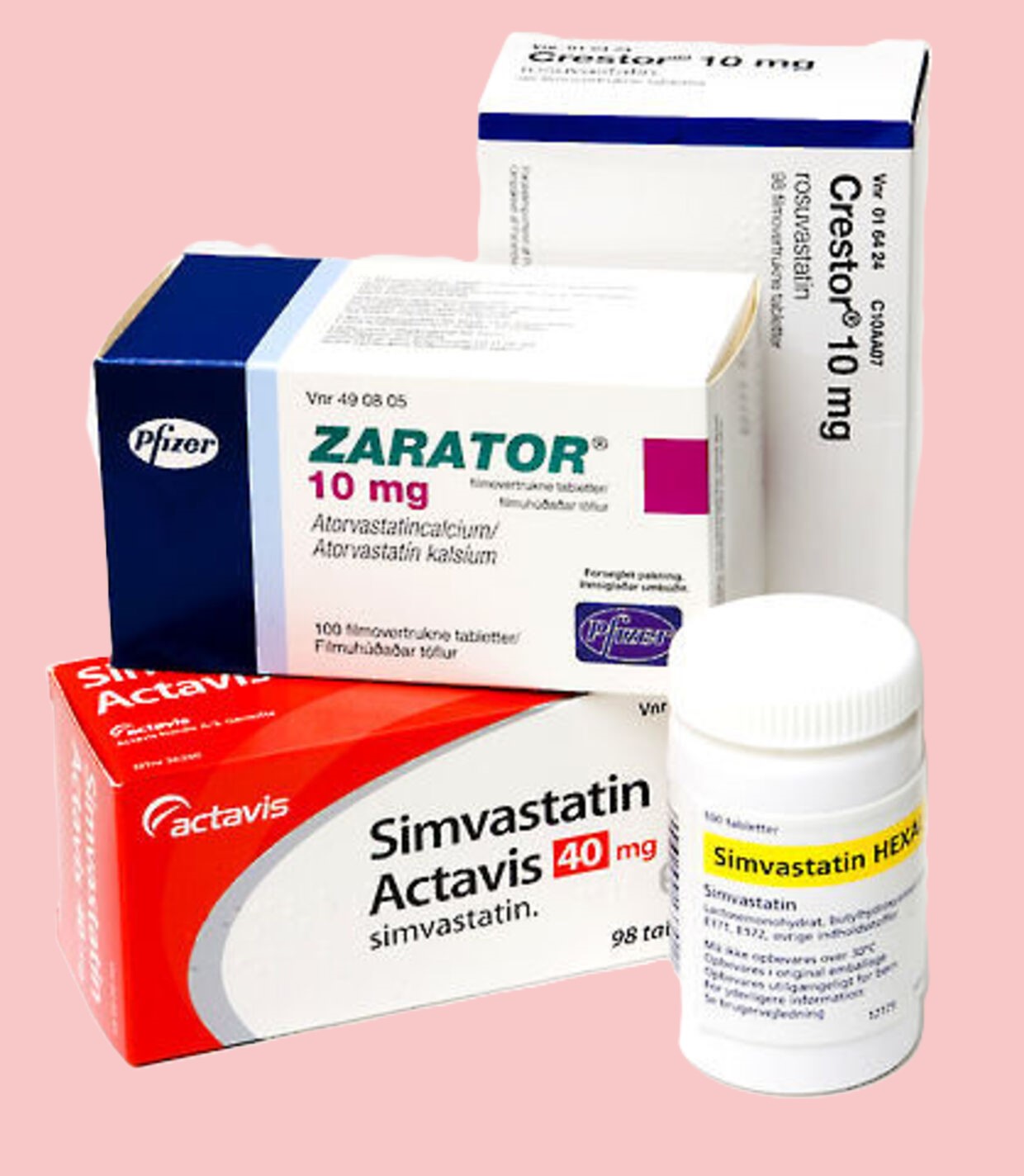
Statins and cancer
What are statins
Statins are a group of medications primarily used to lower cholesterol levels in the blood. However, they have also shown promising results in connection with the prevention and treatment of various diseases, including cancer. This has led to increasing interest in investigating the potential of statins as an adjuvant treatment for cancer. Statins are an element of the COC-Protocol.
Effect in cancer
Several epidemiological studies have suggested a link between statin treatment and a reduced risk of developing certain types of cancer, such as prostate cancer and breast cancer. Mechanisms behind this protective effect include:
Inhibition of Cholesterol Synthesis:
Cancer cells’ need for cholesterol
- Cancer cells often have an increased need for cholesterol to grow and divide.
Inhibits HMG-CoA reductase
- By inhibiting a key enzyme in cholesterol synthesis, HMG-CoA reductase, statins reduce the availability of cholesterol in the cell. This can slow the growth of cancer cells, as this enzyme is necessary for the liver’s production of cholesterol, which cancer cells require to grow.
Increases LDL receptors
- This leads to an increased uptake and breakdown of LDL cholesterol in the liver (the “bad” cholesterol). This contributes to lowering total cholesterol levels and thus the nourishment available to cancer cells.
2. Modulation of the Cell Cycle:
Cell cycle regulation
- Statins can affect various proteins involved in the regulation of the cell cycle.
Growth arrest
- By interfering with these proteins, statins can induce growth arrest or programmed cell death (apoptosis) in cancer cells. Statins can inhibit the production of certain substances necessary for cancer cells to grow and divide.
3. Anti-inflammatory Effect:
Chronic inflammation
- Chronic inflammation is often associated with cancer.
Dampening of chronic inflammation
- Cancer cells often create an environment of chronic inflammation, which can inhibit the immune system’s ability to fight the tumor. Statins have an anti-inflammatory effect that can dampen this chronic inflammation and create a more favorable environment for immune cells. This reduces the growth of cancer cells and improves the immune system’s response.
4. Impact on Angiogenesis:
Blood vessel development
- Angiogenesis is the formation of new blood vessels, which is necessary for tumors to grow.
Inhibition of blood vessel development
- Some studies suggest that statins may inhibit angiogenesis, which can limit tumor growth.
5 Modulation of the immune system:
Statins can affect the function of the immune system and potentially improve its ability to fight cancer cells.
Stimulation of immune cells
- Studies suggest that statins can stimulate the activity of certain types of immune cells, such as natural killer cells (NK cells) and macrophages. These cells play an important role in killing cancer cells.
Presentation of tumor antigens
- Statins can affect the process by which tumor cell proteins (antigens) are presented to T-lymphocytes. This can lead to a stronger immune response against the tumor.
Inhibition of tumor-induced immunosuppression
- Cancer cells can suppress the immune system to avoid being attacked. Statins can help counteract this immunosuppression and make the immune system more effective.
Improved tumor control
- By strengthening the immune system’s ability to recognize and kill cancer cells, statins can contribute to inhibiting tumor growth and prolonging patient survival.
6. Prevention of metastases:
Inhibits spread
- By reducing tumor growth and inhibiting the spread of cancer cells, statins can help prevent metastases.
7. Synergy with Other Cancer Treatments:
Enhanced effect
- Statins can potentially increase the effectiveness of other cancer treatments, such as chemotherapy and radiation therapy.
Statins against cancer
Although statins are not yet approved specifically for the treatment of cancer, their potential as an adjuvant treatment is being investigated in several clinical trials. There are several reasons for this interest:
Safety profile
- Statins are generally well-tolerated and have a well-known safety profile.
Synergistic effects
- Statins can potentially enhance the effect of conventional cancer treatments, such as chemotherapy and radiation therapy.
Cost
- Statins are relatively inexpensive compared to many other cancer drugs.
Side effects
Statins can have side effects, and there are concerns about a potential increased risk for certain types of cancer.
At the same time, one must keep one’s prognosis without the use of repurposed drugs in mind and understand that many people have been helped to an extraordinary degree by repurposed drugs.
Although they are very effective and generally well-tolerated, like all other medicine, they can cause side effects.
The most common side effects
Muscle issues:
- This is the most common side effect. It can feel like soreness, pain, or weakness in the muscles. In rare cases, it can develop into a more serious condition called rhabdomyolysis.
Fatigue:
- Some people experience a feeling of tiredness or weakness.
Digestive problems:
- This can include constipation, diarrhea, stomach pain, or nausea.
Other side effects
- Headache
- Difficulty sleeping
- Rash
More serious but rare side effects
Liver problems:
- Statins can in rare cases affect the liver. Therefore, your doctor will normally take blood tests to monitor your liver function when you start treatment with statins.
Neurological problems:
- In very rare cases, statins can cause memory problems, confusion, or depression.
Contact your doctor
If you experience any of the following symptoms, you should contact your doctor:
- Severe muscle pain, especially if accompanied by fever or weakness.
- Jaundice (yellowish skin or eyes).
- Dark urine.
- Confusion or memory problems.
What the research says
Research on the effect of statins on cancer is complex and has yielded mixed results.
- Some studies have shown a possible reduced risk of certain cancers, such as prostate cancer, breast cancer, and colorectal cancer, in people taking statins.
- Other studies have found no correlation between statin use and cancer prevention.
- One should be aware that these studies do not include the 4 important repurposed drugs included in the COC Protocol, which is why it is not a representative picture in this context.
- Concerns have been raised that statins might increase the risk of certain types of cancer, such as skin cancer and melanoma.
Note:
Research is still ongoing, and there is a need for more comprehensive studies to confirm the efficacy and safety.
On the other hand, one can read at Propa, among others:
The study shows that prostate cancer patients who are in cholesterol-lowering treatment with statins have nearly a 20% lower risk of dying from prostate cancer than men who do not receive statins.
If considering the use of statins
It is crucial to have a thorough dialogue with your doctor about the potential benefits and risks of using statins for cancer prevention or treatment.
Furthermore, be aware that certain drugs can interact, so unintended effects may occur when these are combined.
If you are in doubt, it can be checked here:
Remember:
The decision to use statins for cancer must be made individually in consultation with a doctor who has an in-depth understanding of your medical history, risk profile, and treatment goals. Preferably one who is familiar with the use of repurposed drugs.
Conclusion
Statins are primarily known for their cholesterol-lowering properties. Nevertheless, research has shown that they may also play a promising role in cancer treatment. By affecting several different cellular processes, statins can contribute to inhibiting tumor growth and improving patient survival.
While statins can be a valuable supplement to conventional cancer treatment, it is important to emphasize that conventional practitioners believe they should not replace standard treatment.
See also Repurposed Drugs
See also Statins reduce risk of recurrence in breast cancer
See also No medicine – Plan B
Links
Interactions (search for preparations) (Interaktionsdatabasen, Danish Medicines Agency) (Danish Language)
Propa (research suggests beneficial effect) (Danish Language)
Sundhedspanel (statins and cancer) (Danish Language)
Sundhedspolitisk Tidsskrift (effect against breast cancer) (Danish Language)
A new approach to treating a difficult type of breast cancer (University of Missouri)
Onkologisk Tidsskrift (statins starve cancer cells to death) (Danish Language)
Regulation of cholesterol levels may be key to better cancer treatment (Ritzau) (Danish Language)
Statin drugs to reduce breast cancer recurrence and mortality (PubMed)
The role of statins in the regulation of breast and colorectal cancer and future directions (PubMed, 2025)
- Relevance: Cholesterol-lowering medication (statins) shows potential against breast and intestinal cancer in particular by blocking the important Mevalonate growth pathway. However, clinical results are uncertain and likely depend on the specific type of statin, dose, and duration of treatment, which requires more research.
Statin drugs enhance responses to immune checkpoint blockade in head and neck cancer models (Journal for ImmunoTherapy of Cancer, 2023)
- Relevance: These results suggest that statins deserve further investigation as well-tolerated, affordable drugs that can improve the response to PD-1 checkpoint blockade and other immunotherapies for head and neck squamous cell carcinoma (HNSCC).
Cholesterol-induced colorectal cancer progression and its mitigation through gut microbiota remodeling and simvastatin treatment (PubMed, 2025)
- Relevance: High serum cholesterol can promote colorectal cancer, while improving gut bacteria with Lactobacillus and cholesterol-lowering treatments like Simvastatin can help slow tumor growth and strengthen the immune system. Cholesterol management is therefore important in CRC treatment.
Concomitant Statin Use and Survival in Patients With Cancer on Immune Checkpoint Inhibitors: A Meta-Analysis (PubMed, 2025)
- Relevance: A large study found that cancer patients using statins alongside immune checkpoint treatment have better survival. This could make statins an important supplemental treatment, but more tests are needed.
Association between statin use and the risk, prognosis, and mortality of gynecologic cancer: a systematic review and meta-analysis (European Journal of Obstetrics and Gynecology, 2022)
- Relevance: This 2022 meta-analysis compiles data from 43 studies. The conclusion is that the use of statins is associated with a lower risk of developing gynecological cancer, including ovarian cancer. The analysis also indicates a possible link between statin use and improved prognosis.
Anti-Cancer Therapy: Targeting the Mevalonate Pathway (ResearchGate, 2025)
- Relevance: This review article explains why the Mevalonate signaling pathway is a vulnerable target in many types of cancer. It describes how the pathway is crucial for cancer cell growth and survival and how statins can exploit this vulnerability by blocking the process.
Statins as Repurposed Drugs in Gynecological Cancer: A Review (PubMed, 2022)
- Relevance: A review article describing the rationale for using statins in gynecological cancers.
Statin use and ovarian cancer Outcomes (Research Gate, 2024)
- Relevance: A study investigating how the use of statins affects the prognosis and survival of patients with ovarian cancer.
Efficacy and safety profile of statins in patients with cancer: a systematic review of randomised controlled trials (PubMed, 2020)
- Relevance: A systematic review of the best (randomized) studies confirming the safety profile of statins in cancer patients.
- Relevance: A review article describing how statins work against cancer, both alone and in combination with chemo.
Effect of Statin Use on Survival Outcomes in Patients Diagnosed with Epithelial Ovarian Cancer (Karger, Oncology Research and Treatment, 2025)
- Relevance: A study specifically linking the use of statins with better survival in patients with epithelial ovarian cancer.
Page created: July 1, 2024, Last revised September 16, 2025
❤
What you read on Jeg har Kræft is not a recommendation. Seek competent guidance.
