


Treatments
Complementary and Alternative Treatments
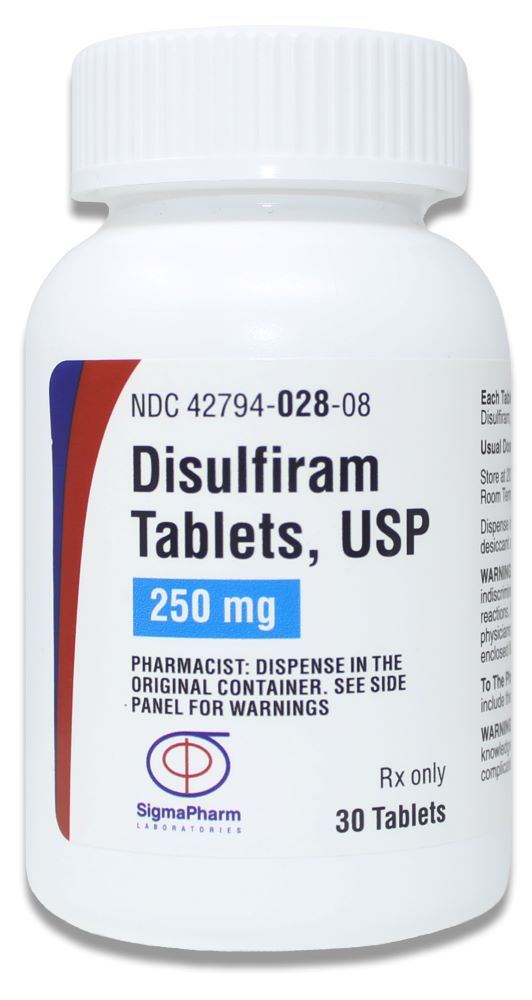
Disulfiram (Antabuse) against cancer
What is disulfiram or antabuse
Disulfiram, better known under the brand name Antabuse, is a drug that for decades has been used as a treatment for alcohol abuse. However, recent research has revealed a promising potential for this drug within cancer treatment. This rediscovery of disulfiram as a potential cancer-fighting agent is an example of how existing drugs can gain new areas of application through a process called repurposing drugs.
How disulfiram works against cancer
The precise mechanism by which disulfiram fights cancer is still under intensive research, but it is believed to act in several different ways:
Inhibition of protein degradation
Cancer cells are dependent on a specific system to break down proteins necessary for their survival. Disulfiram can inhibit this system and thereby prevent cancer cells from growing and dividing.
Immunomodulating
Disulfiram has a moderate influence on the immune system. However, this is more pronounced in the repurposed drugs located in this specific group. See group: 1. Immunomodulating agents
Cell cycle and angiogenesis inhibitors
Disulfiram affects, to a certain extent, the cell cycle and angiogenesis (formation of new blood vessels).
Increasing sensitivity to chemotherapy
Disulfiram can make cancer cells more sensitive to chemotherapy, which can make the treatment more effective.
Induction of cell death
Disulfiram can directly induce cell death in cancer cells.
Advantages of disulfiram against cancer
Safety profile
Since disulfiram is already approved for the treatment of alcohol abuse, its safety profile is relatively well-known.
Cost-effectiveness
As disulfiram is a generic drug, it is relatively inexpensive compared to many new cancer drugs.
Faster development
Since disulfiram is already approved, it can be developed faster for the treatment of cancer compared to entirely new drugs.
Side effects
Consuming alcohol while undergoing treatment with disulfiram triggers a range of unpleasant symptoms. This is because disulfiram inhibits the breakdown of alcohol in the body.
Common side effects:
- Fatigue: You may feel more tired than usual.
- Headache: Some experience more frequent headaches.
- Acne: The skin may become more prone to acne.
- Metallic taste in the mouth: Many describe an unpleasant metallic or garlic-like taste.
- Sleep disturbances: You may find it difficult to fall asleep or experience restless sleep.
- Depression: Some people may experience feelings of sadness or hopelessness.
Side effects from alcohol consumption
Alcohol-disulfiram reaction
If you drink alcohol while in treatment with disulfiram, you may experience a series of serious symptoms, including:
- Flushing of the face and neck
- Palpitations
- Shortness of breath
- Nausea and vomiting
- Dizziness
- Confusion
- Low blood pressure
- Seizures
In severe cases, it can lead to coma or death.
Liver problems:
- In rare cases, disulfiram can cause liver damage. Symptoms of liver damage can include jaundice, dark urine, pale stools, abdominal pain, and fatigue.
Neurological problems:
- In some cases, disulfiram can cause neurological problems such as peripheral neuropathies (nerve damage in arms and legs) that can lead to numbness or tingling.
Other potential side effects
Allergic reactions: Skin rash, itching, swelling of the face, lips, tongue, or throat.
Psychiatric problems: Anxiety, hallucinations.
Note
It is important to note that not everyone experiences all these side effects. If you experience any symptoms that cause alarm, you should always contact your doctor or pharmacy.
Cancer types with the best response to disulfiram
Some of the cancer types that have proven to be particularly sensitive to disulfiram include:
Several studies have shown that disulfiram can improve the effect of radiation therapy in head and neck cancer.
Disulfiram has shown potential to inhibit the growth of prostate cancer cells and can potentially be combined with other treatments for this disease.
There is preliminary evidence that disulfiram can be effective against esophageal cancer, especially when combined with other treatments.
Some studies suggest that disulfiram can be effective against certain types of lungekræft, especially when combined with chemotherapy.
Note
It is important to note that these are merely some examples and that individual results may vary. The effectiveness of disulfiram may depend on various factors, such as the stage of the cancer, the patient’s general health condition, and other factors specific to the individual patient.
Combination with other treatments
One of the greatest strengths of disulfiram is its potential to increase the effectiveness of other cancer treatments. Researchers are investigating various combination possibilities, including:
Disulfiram can increase the sensitivity of cancer cells to chemotherapy, meaning a greater effect can be achieved with lower doses of chemotherapy.
Disulfiram can make cancer cells more sensitive to radiation therapy, which can increase the effectiveness of this treatment.
Disulfiram can potentially be combined with targeted therapy designed to attack specific molecular changes in the cancer cells.
There is preliminary evidence that disulfiram can strengthen the immune system’s ability to fight cancer cells, which can make immunotherapy more effective.
The advantages of combination with other treatments
- Increased effectiveness: The combination of disulfiram with other treatments can lead to a greater reduction in tumor size and longer survival.
- Reduced risk of resistance: By combining different treatments, one can decrease the risk of cancer cells developing resistance to a single treatment.
- Fewer side effects: In some cases, combination therapy can lead to fewer or less severe side effects compared to treatment with a single agent.
Research
Several clinical trials have investigated disulfiram’s effect on various cancer types. The results have been promising, and signs have been seen that disulfiram can:
- Prolong survival: In some studies, patients treated with disulfiram in combination with other cancer treatment have experienced longer survival.
- Reduce tumor size: Disulfiram has been shown to be able to reduce the size of tumors in some patients.
- Improve response to other treatment: Disulfiram can increase the effectiveness of other cancer treatments, such as chemotherapy and radiation therapy.
Conclusion
Disulfiram represents an exciting example of how existing drugs can gain new areas of application within cancer treatment. Disulfiram has great potential as a supplement to conventional cancer treatment. By combining disulfiram with other treatments, a more effective and safe treatment of cancer can be achieved. However, it is important to emphasize that there is still a need for more research to uncover the optimal combination possibilities and to identify the patients who will benefit most from this treatment.
See also Repurposed Drugs
See also No medicine – Plan B
Links
[1] Interactions (search for preparations) (Interaktionsdatabasen, Danish Medicines Agency, n.d.)
- Content: A database from the Danish Medicines Agency where you can check for potential interactions between various drugs and supplements.
[2] Disulfiram/copper complex improves the effectiveness of the WEE1 inhibitor Adavosertib in p53 deficient non-small cell lung cancer via ferroptosis(PubMed)
- Content: This non-randomized preclinical study describes how a disulfiram/copper complex improves the effectiveness of a WEE1 inhibitor in lung cancer.
[3] A strategy of “adding fuel to the flames” enables a self-accelerating cycle of ferroptosis-cuproptosis for potent antitumor therapy(PubMed)
- Content: This non-randomized preclinical study explores a strategy to accelerate cancer cell death through ferroptosis and cuproptosis.
[4] Antabus kan være farlig (Ugeskrift for Læger, n.d.)
- Content: An article describing potential dangers associated with Antabuse. (Danish language)
[5] Tumor specific in situ synthesis of therapeutic agent for precision cancer therapy (PubMed)
- Content: This is a non-randomized preclinical study regarding the synthesis of therapeutic agents specifically within tumors.
- Content: A non-randomized preclinical study investigating a “triple attack” strategy for cancer treatment.
[7] Disulfiram/Copper Induces Antitumor Activity against Both Nasopharyngeal Cancer Cells and Cancer-Associated Fibroblasts (Cancers, 2020)
- Content: This is a non-randomized preclinical study describing how the combination of disulfiram and copper (DSF/Cu) acts lethally on both cancer cells and the surrounding “helper cells” (fibroblasts) via oxidative stress and ferroptosis.
[8] Disulfiram and copper combination therapy targets NPL4, cancer stem cells and extends survival in a medulloblastoma model (PLOS ONE, 2021)
- Content: This non-randomized preclinical study supports the claim that disulfiram targets cancer stem cells. It shows how DSF/Cu specifically targets stem cell markers like ALDH and extends survival in a brain tumor model.
[9] DDTC-Cu(I) Nano-MOF Induces Ferroptosis by Targeting SLC7A11/GPX4 Signal in Colorectal Cancer (PubMed, 2025)
- Content: This non-randomized preclinical study shows that the nanomedicine Cu-BTC@DDTC, where disulfiram (DSF) is converted into its metabolite, diethyldithiocarbamate (DDTC), embedded in a metal-organic framework, has strong antitumor activity by inhibiting cell growth, migration, and invasion. It works by inducing ferroptosis through the SLC7A11/GPX4 pathway, making it a promising alternative in cancer treatment through the repurposing of existing drugs.
Page created: October 25, 2024, Last revised June 10, 2025
❤
What you read on Jeg har Kræft is not a recommendation. Seek competent guidance.
