


Treatments
Complementary and Alternative Treatments
Methylene blue – against cancer
Summary of Methylene blue
What it is:
- Methylene blue is an old drug originally used against diseases such as malaria. It is now being investigated as a repurposed drug against cancer.
How it works against cancer:
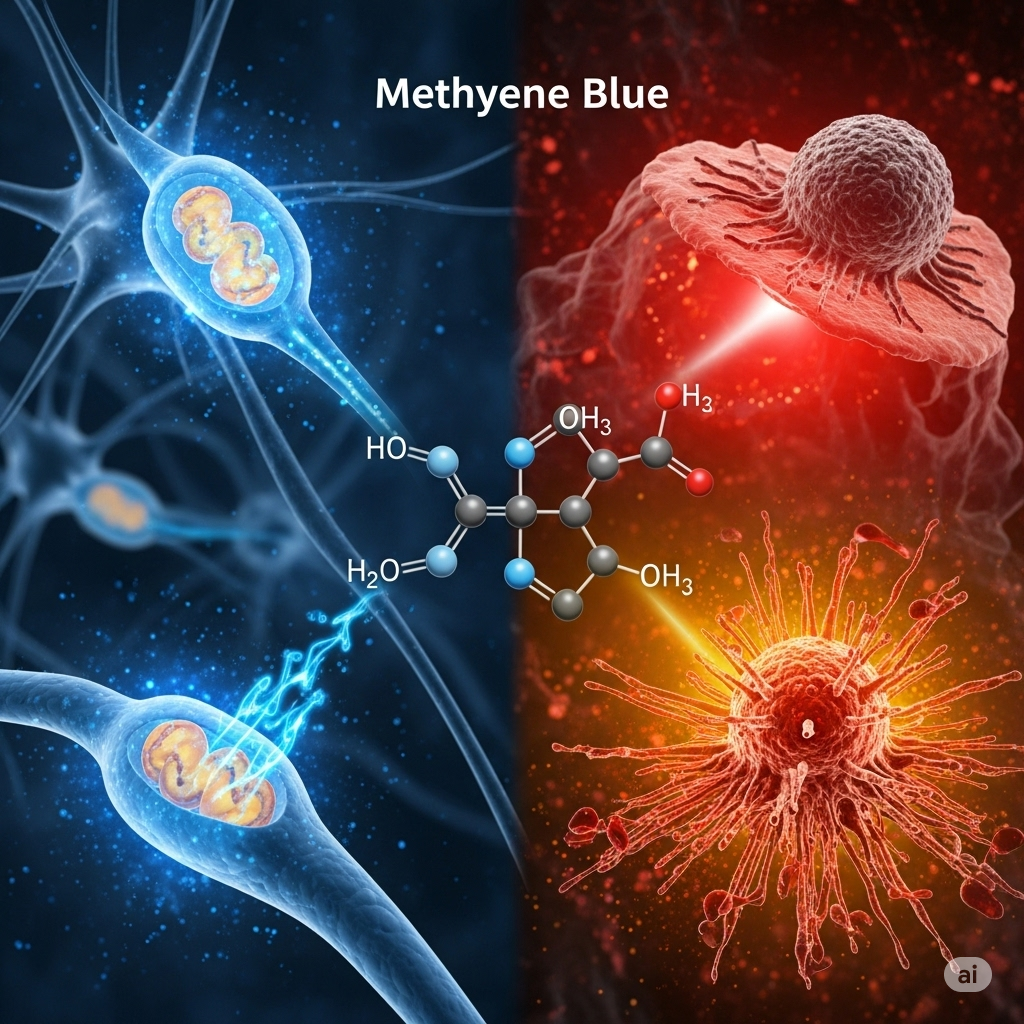
- The substance is believed to work by attacking the energy production of cancer cells. It is also used in photodynamic therapy, where light activates the substance to kill cancer cells.
What it means for cancer patients:
- The treatment is still experimental and is not an approved standard treatment. There is a risk of side effects and interactions.
What is methylene blue
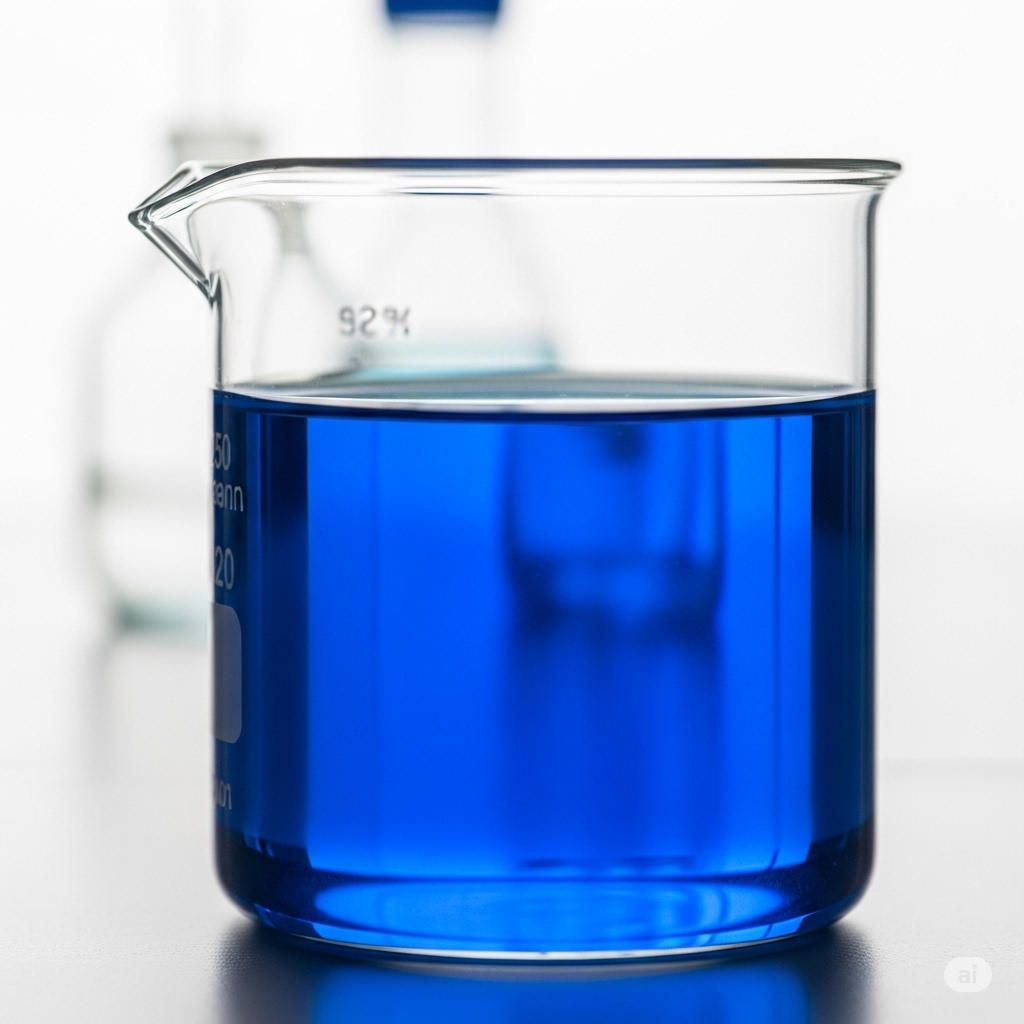
Methylene blue is a synthetically produced substance. Chemically, it is an organic salt with the formula C₁₆H₁₈ClN₃S. It appears as a dark green, crystalline powder, but when dissolved in water, it forms the well-known, intense blue color.
Today, it is officially approved for the medical treatment of a rare blood disease called methemoglobinemia. Here, the substance helps red blood cells regain the ability to transport oxygen effectively. It is precisely these unique chemical properties that have made it an interesting ‘repurposed drug’ in cancer research.
History
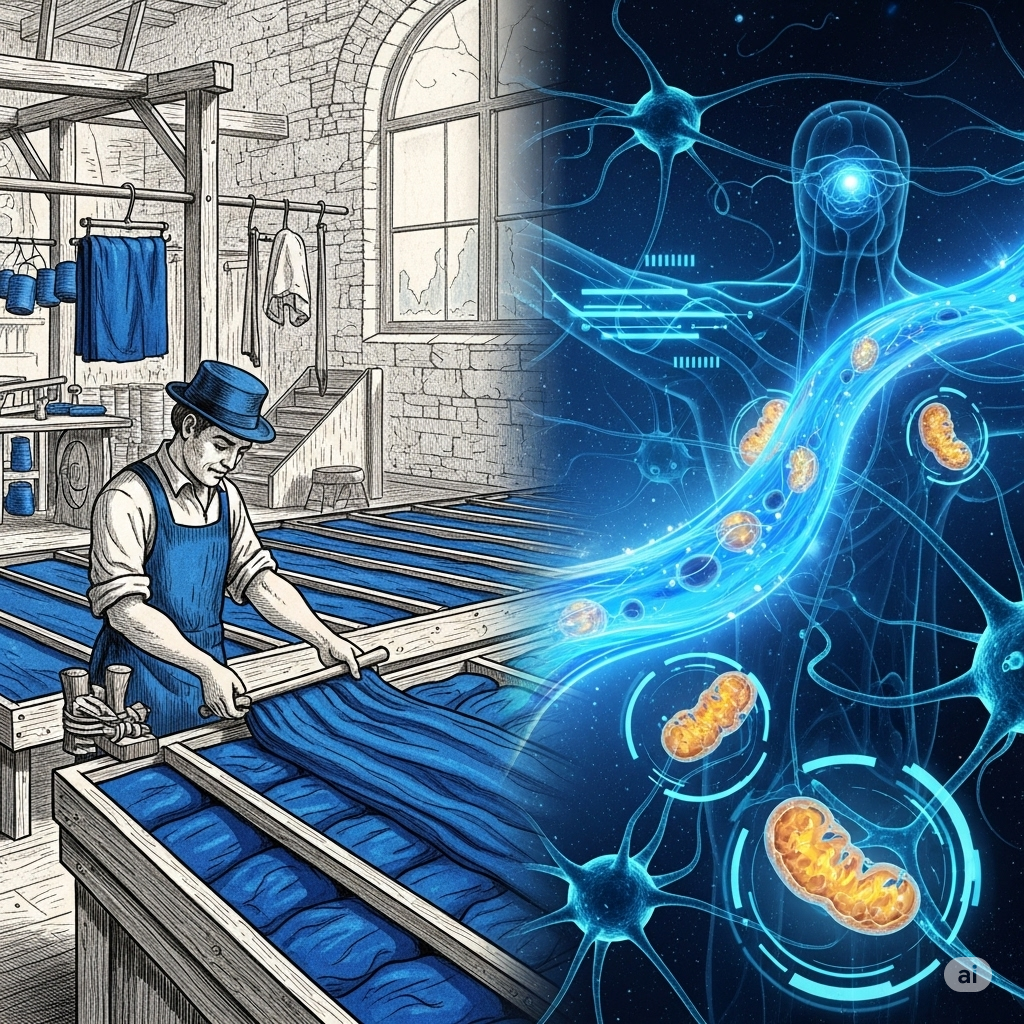
The history of methylene blue is unusual. The substance was originally synthesized in 1876 as one of the world’s first synthetic dyes and provided a deep, blue color to textiles. However, researchers, including Nobel laureate Paul Ehrlich, quickly discovered its medicinal potential when they saw its ability to selectively stain certain biological tissues such as nerve cells and parasites.
This paved the way for it becoming the first fully synthetic drug in history. It was used, among other things, for the treatment of malaria and later as an antidote against certain types of poisoning. This transition from industrial dye to medicine makes it one of the earliest and best-known examples of a ‘repurposed drug‘.
Mechanism of action in cancer
Interest in methylene blue in connection with cancer treatment is primarily due to its ability to intervene in the function of cancer cells in two central ways.
These mechanisms of action are still the subject of intensive research, and preliminary trials show promising results.
1. Disrupts cancer cells’ energy production
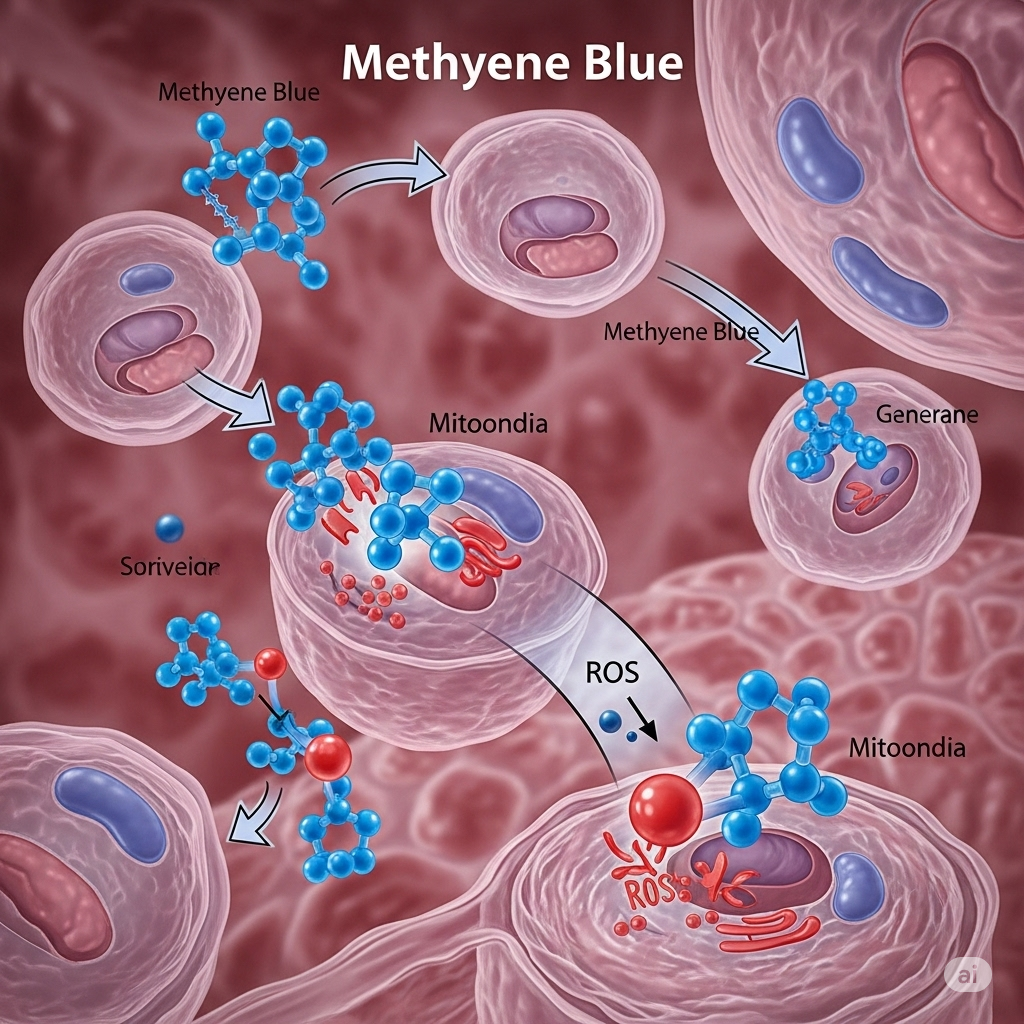
Cancer cells have a different and often more primitive metabolism than healthy cells. They are heavily dependent on a process called glycolysis to obtain energy, even when oxygen is present – a phenomenon known as the “Warburg effect.” Methylene blue appears to be able to affect the cells’ “power plants,” the mitochondria. By interacting with the electron transport chain in the mitochondria, the substance can:
- Force cancer cells to switch energy production: It can disrupt glycolysis and force cancer cells over to a more oxygen-dependent energy production (oxidative phosphorylation). This stresses the cells and can make them more vulnerable.
- Increase oxidative stress: The substance can increase the production of harmful molecules called reactive oxygen species (ROS) inside the cancer cells. A high level of ROS can damage the cell’s DNA, proteins, and membranes, which can lead to programmed cell death (apoptosis).
By attacking the unique metabolism of cancer cells, methylene blue can potentially hit them selectively and weaken them.
2. Photodynamic therapy (PDT)
One of the most studied applications of methylene blue is within photodynamic therapy. This is a form of treatment that combines a light-sensitive substance, light, and oxygen to kill cancer cells. The process takes place in three steps:
- Administration: Methylene blue is given to the patient, often intravenously. The substance has a tendency to preferentially accumulate in cancer cells rather than in healthy cells.
- Activation with light: The tumor area is exposed to light of a specific wavelength (typically red light, around 660 nm), which can penetrate into the tissue.
- Cell killing: The light activates the methylene blue molecules. The transferred energy reacts with the oxygen in the tissue and forms a very aggressive form of oxygen (singlet oxygen) and other reactive oxygen species. These substances are extremely toxic to the cells and quickly destroy the cancer cells from within.
The advantage of PDT is that it is a very targeted treatment that primarily damages the exposed area (where methylene blue is taken up in the cells), and thus spares the surrounding healthy tissue. Preclinical studies have shown effects in models for, among others, skin, breast, and colon cancer.
Behandling med methylenblåt
Treatment with methylene blue
It is important to emphasize that treatment with methylene blue for cancer is still at an experimental stage. It is not an approved standard treatment, and its use takes place primarily in clinical trials and with doctors working with experimental and complementary treatment strategies. Treatment can take place in several ways depending on the purpose:
As photodynamic therapy
Here, the treatment is localized to a specific tumor that can be reached with light, e.g., skin tumors or tumors that can be accessed via endoscopy.
As systemic treatment
Here, the substance is given to affect cancer cells throughout the body by utilizing its metabolic effects. The goal is to make the cancer cells more vulnerable to other treatments such as chemotherapy and radiation therapy.
As supportive treatment
Some studies investigate whether methylene blue can alleviate certain side effects from conventional treatment (such as brain impact (encephalopathy), cognitive problems ‘chemo-brain’, kidney damage, and mouth inflammation) or improve general cellular health.
Research is ongoing, but there is a need for more large, controlled studies to establish the substance’s precise role, effect, and safety in cancer treatment.
Side effects and safety
Although methylene blue is generally considered a safe drug in the approved low doses, it is not without potential side effects, especially at higher doses or in combination with other drugs.
Common mild side effects
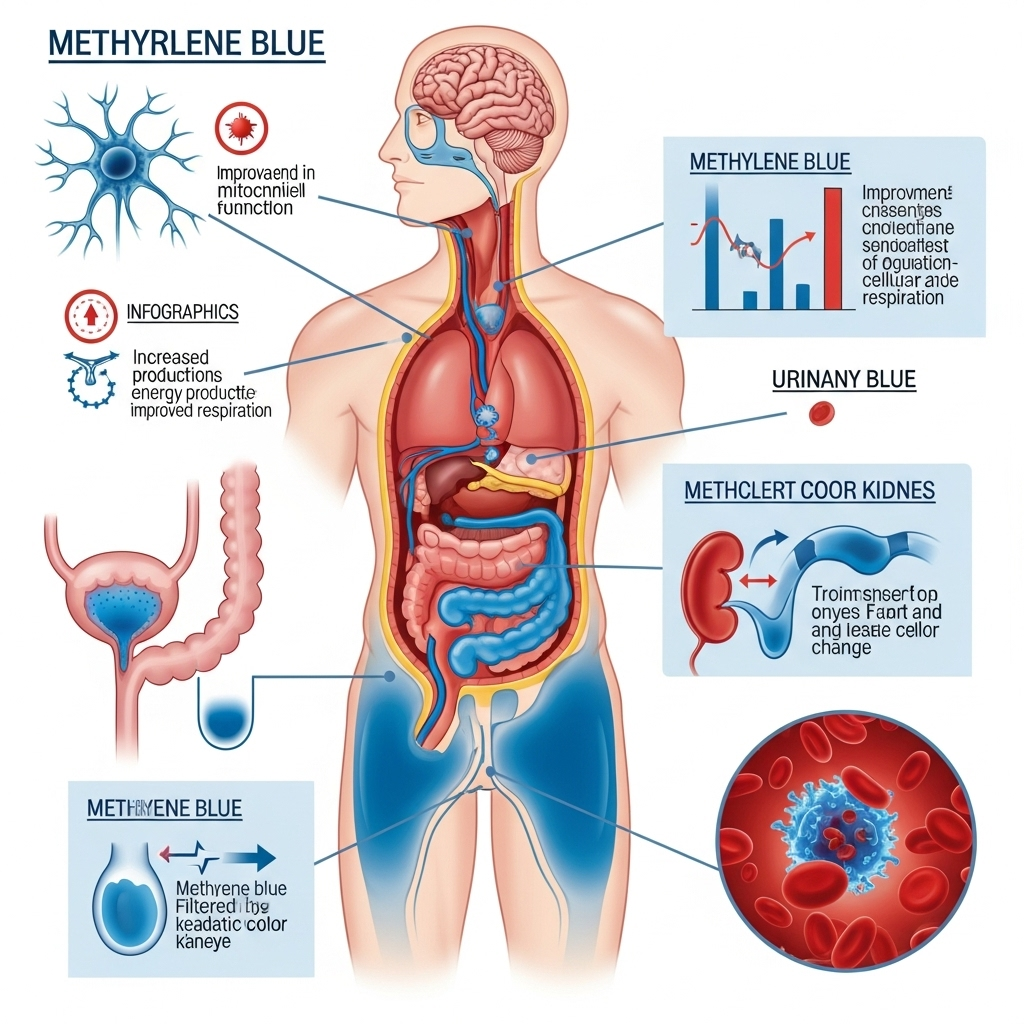
- Blue-green coloring of urine and stool: This is the best-known and completely harmless side effect.
- Nausea and vomiting.
- Headache and dizziness.
- Blue coloring of the skin: Can occur at higher doses.
Serious side effects (rare)
- Serotonin syndrome: Methylene blue inhibits an enzyme called monoamine oxidase (MAO). If combined with other drugs that increase serotonin levels in the brain (e.g., many types of antidepressants like SSRIs), it can lead to a potentially life-threatening condition called serotonin syndrome. Symptoms include confusion, high fever, rapid pulse, and muscle stiffness. It is therefore important to inform one’s practitioner about all medication being taken.
- Hemolytic anemia: In individuals with a specific hereditary enzyme deficiency (G6PD deficiency), methylene blue can cause a rapid breakdown of red blood cells.
Use of methylene blue should take place under the guidance of a qualified practitioner who can assess risks and monitor side effects.
Dosage forms and administration
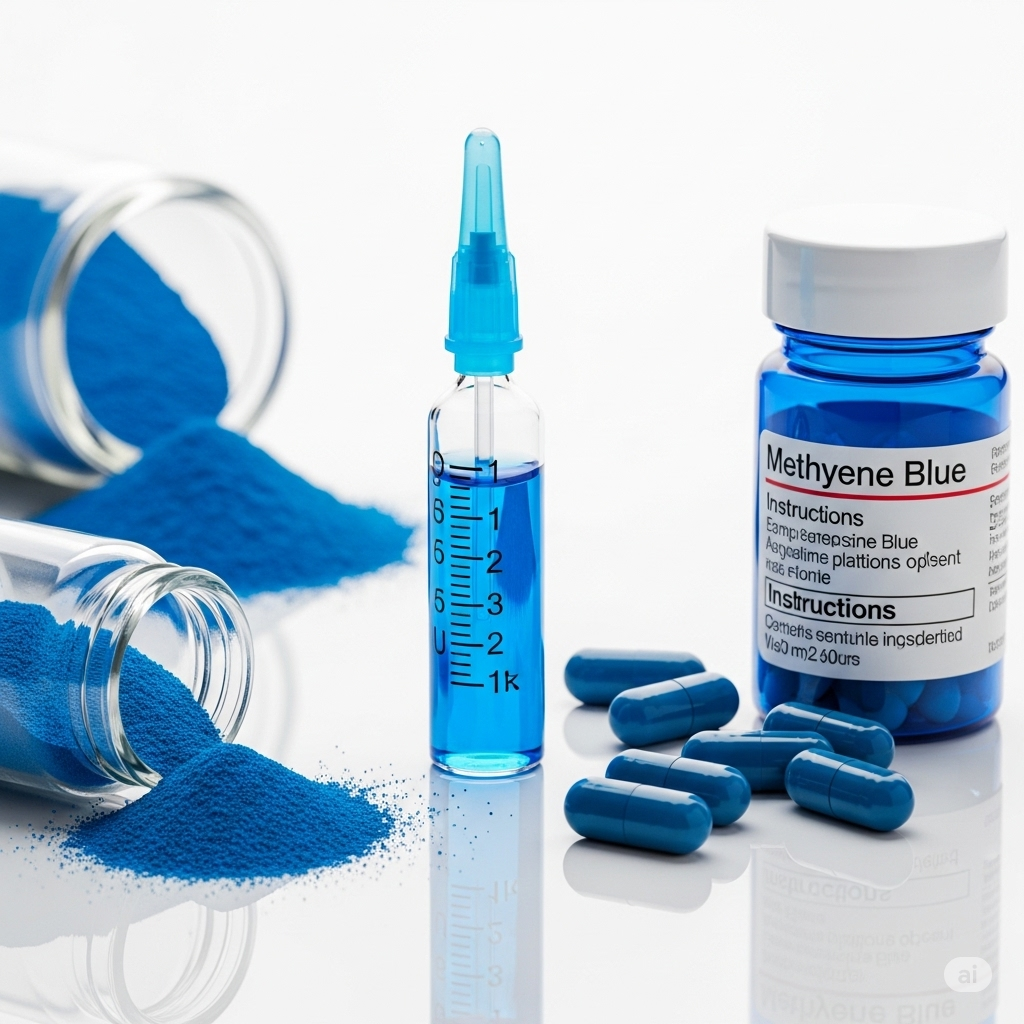
Methylene blue is available in various forms and can be administered in several ways, depending on what it is to be used for.
- Intravenous injection (IV): This is the most common form of administration in a hospital setting, both for the treatment of methemoglobinemia and in most clinical trials involving cancer. It ensures that the substance is quickly distributed in the body. The solution is typically a 1% solution, which is often diluted further and given slowly over several minutes.
- Oral administration (capsules or powder): Methylene blue can also be taken as capsules or as a powder dissolved in water. This form is often used in connection with experimental treatments aiming for a more general, systemic effect. The quality of oral preparations can vary. It is therefore important to ensure that a pharmaceutical-grade product (USP grade) is used, which is tested for purity and free from heavy metals.
- Local application: In some cases, the substance can be applied directly to the skin, e.g., in connection with photodynamic therapy for skin cancer.
The dosage varies greatly depending on the treatment purpose, the patient’s weight, and the specific protocol being followed. Low doses (e.g., below 2 mg/kg body weight) are often used to improve mitochondrial function, while higher doses may be necessary in other contexts.
Conclusion

Methylene blue is a remarkable example of how an old drug can find new applications. Its journey from being a simple dye to a potential weapon in cancer treatment is a testament to the continued development within medical science.
The unique mechanisms by which methylene blue can attack cancer cells’ metabolism and be utilized in photodynamic therapy make it an exciting area of research.
Although the treatment is still experimental and not without risks, methylene blue represents a hope for new, more targeted, and effective strategies in future cancer treatment. As with all experimental treatment, it is crucial that use occurs in consultation with a practitioner.
See also Repurposed Drugs
Se også No medicine – Plan B
Links
Interaktioner (search for preparations) (Interaction Database, Danish Medicines Agency) (Danish Language)
Methylene Blue Metabolic Therapy Restrains In Vivo Ovarian Tumor Growth (PubMed, 2024)
- Content: Research shows that methylene blue (MB) can slow the growth of ovarian cancer tumors, especially resistant tumors. MB affects cancer cell mitochondria and can induce cell death, making it a promising supplementary or alternative treatment for patients with limited options. This is a non-randomized preclinical study.
Methylene blue in anticancer photodynamic therapy: systematic review of preclinical studies (Research Gate, 2023)
- Content: This review shows that methylene blue in photodynamic cancer treatment can reduce tumors, especially with nanopharmaceutical formats, which increases effectiveness. Further research is necessary. This is a non-randomized systematic review of preclinical studies.
- Content: Cisplatin can damage the kidneys, but methylene blue can protect them by activating the body’s defenses. This can make treatment safer. This is a non-randomized preclinical study.
Does methylene blue kill cancer cells? (Drugs.com, 2025)
- Content: Methylene blue can kill cancer cells when used with light in a treatment called photodynamic therapy. It accumulates in tumors, and the light creates substances that destroy the cancer cells. It is still in research, but the results are promising. This is a non-randomized clinical overview.
Comparative study between high and low dose methylene blue infusion in septic cancer patients: a randomized, blinded, controlled study (PubMed, 2025)
- Content: A study with cancer patients in shock showed that early treatment with methylene blue helped them get off blood pressure medication faster. There were few side effects, and it may be a promising supplementary treatment in critical situations. This is a randomized, blinded, controlled clinical trial.
In Vitro Methylene Blue and Carboplatin Combination Triggers Ovarian Cancer Cells Death (MDPI, 2024)
- Content: This in vitro study investigates how the combination of methylene blue and carboplatin can trigger cell death in ovarian cancer cells. It explores the synergistic effects of combining these two agents in a laboratory setting. This is a non-randomized preclinical study.
Page created: July 25, 2025
❤
What you read on Jeg har Kræft is not a recommendation. Seek competent guidance.
