


Treatments
Complementary and Alternative Treatments
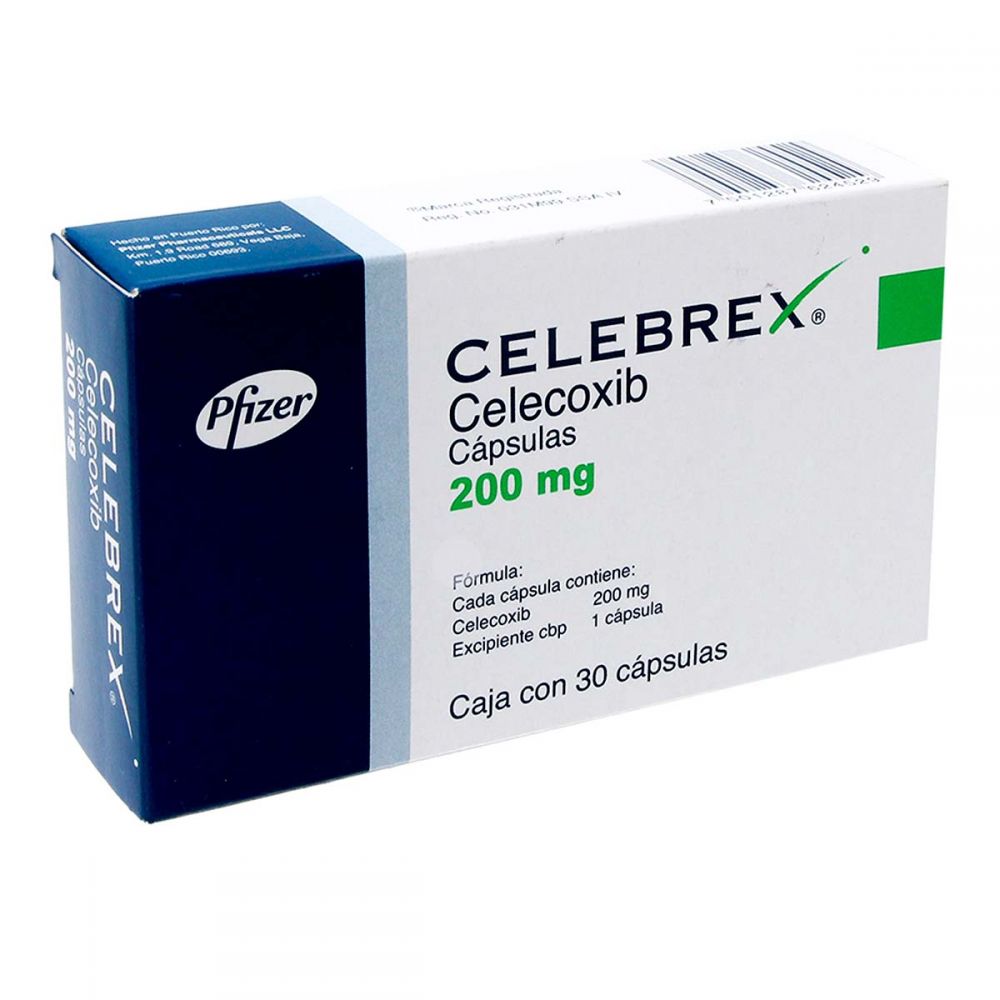
Celecoxib and cancer
What is celecoxib?
Celecoxib is a non-steroidal anti-inflammatory drug (NSAID) primarily used to treat pain and inflammation. It belongs to a class of drugs called COX-2 inhibitors, which specifically target the cyclooxygenase-2 (COX-2) enzyme involved in inflammation and pain. Celecoxib is often used to treat conditions such as osteoarthritis, rheumatoid arthritis, and acute pain. One advantage is that it generally has a lower risk of gastrointestinal side effects compared to traditional NSAIDs, though it can still pose risks such as cardiovascular problems.
Celecoxib has in recent years attracted significant attention in cancer research. This interest stems from the drug’s potential to inhibit tumor cell growth and reduce cancer spread.
Why celecoxib
Celecoxib is a selective COX-2 inhibitor. COX-2 is an enzyme that plays a central role in the production of prostaglandins, substances that promote inflammation and pain. However, COX-2 is also involved in several other processes, including cell growth, blood vessel development (angiogenesis), and tumorigenesis (the transformation of normal cells into cancer cells).
Effect of celecoxib
The primary mechanisms by which celecoxib is believed to act as an anticancer agent include:
Inhibition of inflammation
Cancer cells often create an inflammatory environment that can promote tumor growth and spread. By inhibiting COX-2, a key enzyme in the inflammatory process, celecoxib may potentially counteract this.
Effect on angiogenesis
Celecoxib can influence the formation of new blood vessels (angiogenesis), which is crucial for tumor growth. By inhibiting angiogenesis, celecoxib may potentially slow tumor development.
Induction of apoptosis
Apoptosis is programmed cell death. Celecoxib can stimulate apoptosis in cancer cells, leading to their demise.
Modulation of the cell cycle
Celecoxib can affect the cell cycle, which may prevent cancer cells from dividing and growing.
Enhancing other cancer treatments
There is evidence that celecoxib may increase sensitivity to other cancer treatments, such as chemotherapy and radiation therapy.
Biopsi
One of the links below leads to an article about the prophylactic use of celecoxib in connection with biopsy collection, where it is injected into the cavity. This procedure is performed to reduce the risk of seeding (which, if left unchecked by the immune system, can lead to metastases).
It is possible to imagine that it might also be beneficial to take celecoxib in pill form a few hours after a biopsy is taken (and then daily for a week, or as your healthcare provider recommends). (For example, ibuprofen or similar, which is available over the counter.) However, this is my own theory, for which I have no evidence.
Of course, you should only consider taking NSAIDs if you tolerate these medications and have no conditions that make it contraindicated. Additionally, be aware that it may increase the risk of bleeding, so you should avoid taking it before a biopsy. Do not take NSAIDs on an empty stomach.
It has always concerned me to undergo a biopsy. I like the idea of being able to do something to minimize the risk of seeding.
For more details on the effect, see the bottom of the page—separate section.
For the Nerds (scroll down)
Cancer types that are particularly sensitive
Research has particularly focused on celecoxib’s potential in relation to:
Promising results suggest that celecoxib may reduce the risk of developing colorectal cancer in people with a hereditary predisposition.
Some studies have shown a possible preventive effect of celecoxib against prostate cancer.
Other cancer types
There are also ongoing studies regarding other cancer types, such as lung cancer and breast cancer.
Side effects
Like many other medications, celecoxib can cause side effects. While not everyone experiences them, it is important to be aware of the potential risks.
Common side effects:
- Gastrointestinal issues (most common): This may include stomach pain, heartburn, diarrhea, constipation, nausea, and vomiting.
- Headache
- Dizziness: Some people may feel dizzy or drowsy.
- Skin: Rash, itching, or other skin reactions may occur.
More serious side effects requiring immediate medical attention
Heart attack and stroke
- Although the risk is small, long-term use of celecoxib may increase the risk of heart attack and stroke, especially in people with cardiovascular disease or risk factors.
Bleeding
- Celecoxib can increase the risk of bleeding, both in the gastrointestinal tract and elsewhere in the body.
Kidney problems
- In rare cases, celecoxib may cause kidney problems.
Severe allergic reactions
- These are rare but can be life-threatening. Symptoms may include rash, swelling of the face, lips, tongue, or throat, and difficulty breathing.
Who should be cautious with celecoxib
People with cardiovascular disease
- Due to the risk of heart attack and stroke, people with heart problems or risk factors for these conditions should be cautious.
People with stomach ulcers or bleeding
- Celecoxib can irritate the stomach lining and increase the risk of bleeding.
People with kidney or liver problems
- Impaired kidney or liver function can affect how the body breaks down celecoxib. See also: Liver and kidney values.
Pregnant and breastfeeding women
- There is limited knowledge about the safety of using celecoxib during pregnancy and breastfeeding.
Challenges
Although there are promising results, there are still many unanswered questions, and the research is complex. Some of the challenges include:
Sideeffects
Like other NSAIDs, celecoxib can cause serious side effects, including an increased risk of heart attack and stroke.
Limited effectiveness as monotherapy
Celecoxib appears to be most effective when combined with other cancer treatments.
Resistance
Cancer cells can develop resistance to celecoxib, which may limit the drug’s effectiveness over time.
Note
Individual reactions
Side effects vary from person to person. Some experience none or only mild side effects, while others may be more sensitive.
Concurrent medication
Celecoxib can interact with other medications, so it is important to inform your doctor about all the medications you are taking.
Dosage and duration
It is important to follow your doctor’s instructions carefully regarding dosage and duration of treatment.
Conclusion
Celecoxib represents a promising example of how an existing drug can be repurposed to fight cancer. While there are still challenges to overcome, there is no doubt that this drug has great potential to revolutionize cancer treatment.
Future perspectives
Research into celecoxib as an anticancer agent is still ongoing. There is great potential for combining celecoxib with other drugs and therapies to achieve more effective cancer treatment. In addition, new formulations and routes of administration are being investigated to minimize side effects and increase the drug’s effectiveness.
If you are unsure about interactions, you can check here:
See also Repurposed Drugs
Continued…
Links
Interactions (search for medications) (Interaktionsdatabasen, Danish Medicines Agency) (Danish Language)
Celecoxib – preventive treatment (Rigshospitalet) (Danish Language)
Celecoxib “Krka” (Medicin.dk) (Danish Language)
Painkillers may inhibit breast cancer (Dagens Medicin) (Danish Language)
Celecoxib inhibits NLRP1 inflammasome pathway in MDA-MB-231 Cells (PubMed)
Page created:
October 27, 2024
❤
What you read on I Have Cancer is not a recommendation. Seek competent guidance.
Celecoxib and cancer –
The nerdy part
Molecular action of the anticancer effect
The anticancer effect of Celecoxib is complex and involves several molecular mechanisms.
Central mechanisms
Inhibition of cyclooxygenase-2 (COX-2):
COX-2 is an enzyme that plays a central role in the production of prostaglandins, which are involved in inflammation, cell proliferation, and angiogenesis. By inhibiting COX-2, Celecoxib reduces the production of prostaglandins, which can lead to:
- Reduced inflammation: Cancer cells often thrive in an inflammatory environment. By reducing inflammation, Celecoxib can inhibit tumor growth.
- Inhibited angiogenesis: Prostaglandins play an important role in the formation of new blood vessels (angiogenesis), which is necessary for tumor growth.
- Modulation of the cell cycle: Prostaglandins can affect the cell cycle and promote cell proliferation. By inhibiting COX-2, Celecoxib can disrupt this process.
Induction of apoptosis
Apoptosis is programmed cell death. Celecoxib can induce apoptosis in cancer cells by affecting various signaling pathways, including the caspase cascade. Caspases are a family of proteases (enzymes that break down proteins). These caspases initiate a cascade within the cell that destroys proteins and kills the cell, thereby initiating apoptosis and mitochondrial function.
Modulation of cell adhesion and migration
Cancer cells often have decreased cell adhesion (when cells bind to each other or to a surface) and increased migration capacity (the cell’s ability to move from the original site where it arose to other parts of the body), which facilitates invasion and metastasis. Celecoxib can affect these processes by regulating the expression of adhesion molecules and proteases.
Or put another way:
Inside our bodies, cells have small “handles” called adhesion molecules, which they use to hold onto each other. Cancer cells can have too many of these “handles,” making it easier for them to spread. Celecoxib can affect the production of these “handles” and certain other substances that help cancer cells penetrate tissue. In this way, Celecoxib can make it harder for cancer cells to move around the body.
Interaction with other signaling pathways
Celecoxib can interact with other signaling pathways, such as NF-κB, MAPK, and PI3K/Akt, which are involved in cell survival, proliferation, and invasion. By modulating (affecting) these pathways in cancer cells, Celecoxib can inhibit tumor growth.
Or put another way:
Cancer cells have a special system that tells them how to behave. Celecoxib can go in and disrupt this system so that the cancer cells can no longer follow their “orders.” In this way, Celecoxib can help stop the cancer from growing.
Molecular targets
- NF-κB: A key transcription factor that regulates the expression of genes involved in inflammation and cell survival. Celecoxib can inhibit NF-κB activation.
- The MAPK pathway: A signaling pathway involved in cell proliferation, differentiation, and apoptosis. Celecoxib can inhibit the activation of the MAPK pathway.
- The PI3K/Akt pathway: A central signaling pathway involved in cell survival, proliferation, and angiogenesis. Celecoxib can inhibit this pathway.
Summary
The anticancer effect of Celecoxib is multifactorial and involves a complex interaction with several molecular targets and signaling pathways. By inhibiting inflammation and angiogenesis, inducing apoptosis, and modulating the cell cycle and adhesion, Celecoxib can effectively inhibit tumor growth and spread.
Or put another way:
Celecoxib: This drug can disrupt these important processes in cancer cells so they can no longer grow and spread.
In short: Celecoxib is like a spy that enters the cancer cells and sabotages their operations. In this way, it can help stop the cancer from growing.
If you are in doubt about interactions, they can be checked here:
See also Repurposed Drugs
Page created: October 27, 2024
❤
What you read on Jeg har Kræft is not a recommendation. Seek competent guidance.
