


Treatments
Complementary and Alternative Treatments
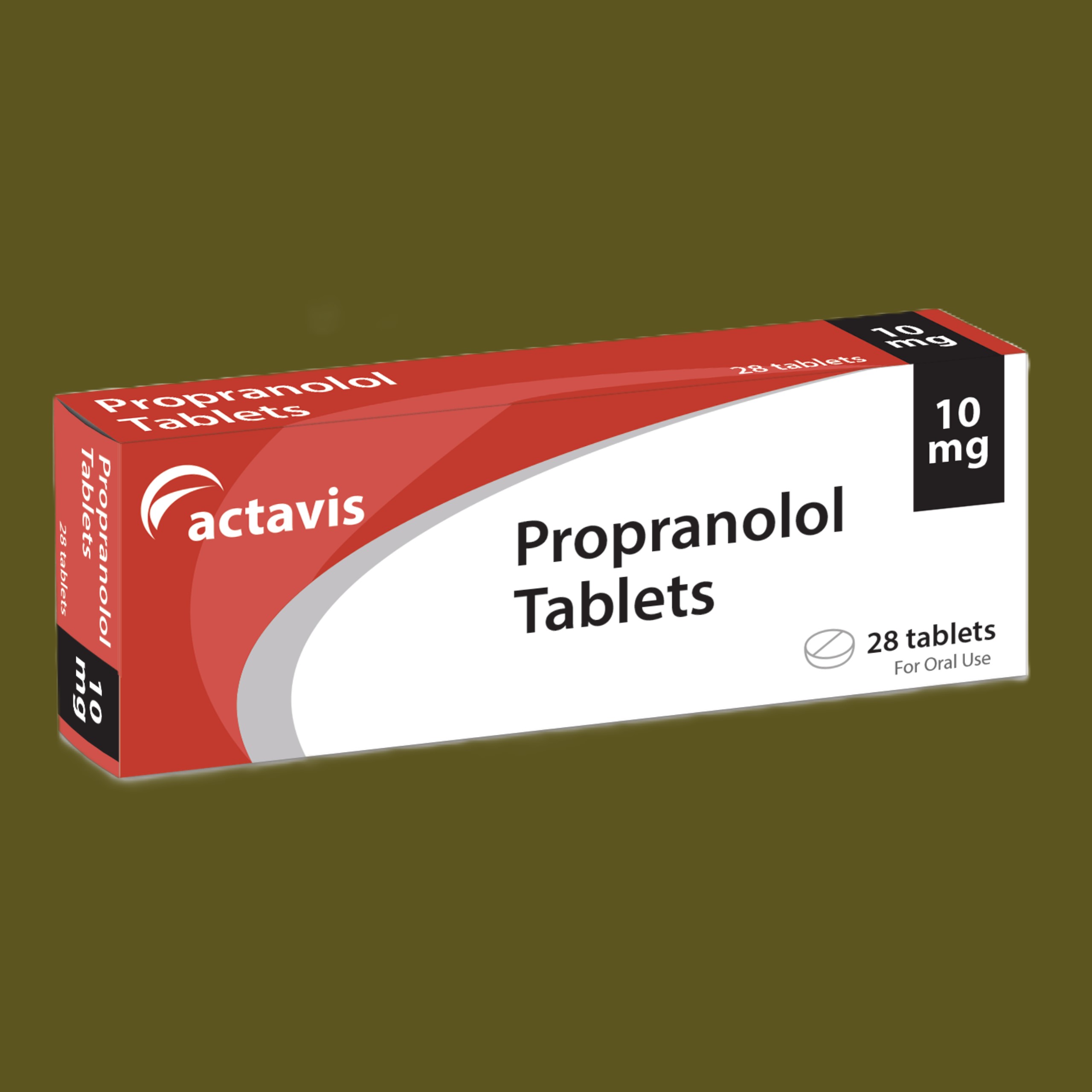
Propranolol and cancer
What is propranolol
Propranolol is primarily known as a beta-blocker used to treat a range of heart conditions, such as high blood pressure and heart rhythm disorders. In recent years, however, there has also been increasing interest in propranolol’s potential role in cancer treatment and the prevention of cancer recurrence.
Effect of propranolol in cancer
How does propranolol work in connection with cancer
Stress reduction
Propranolol can help reduce stress hormones that can negatively affect the immune system. A weakened immune system may have difficulty fighting cancer cells.
Blood vessel growth
Cancer tumors need a good blood supply to grow. Propranolol can inhibit the formation of new blood vessels, which can limit tumor growth.
Cell signaling
Propranolol can affect various cell signaling pathways involved in cancer cell division and spread.
Note
Propranolol is relatively inexpensive and has a good safety profile. This makes it an attractive candidate as a repurposed drug for cancer treatment. Additionally, propranolol’s anti-inflammatory effects may be further beneficial in cancer treatment.
Furthermore, be aware that certain drugs can interact, so unintended effects may occur when these are combined.
If you are in doubt, it can be checked here:
Side effects
Like all other medications, propranolol can cause side effects, although not everyone experiences them.
Common side effects
The most common side effects of propranolol include:
- Fatigue: Many experience a feeling of tiredness or lethargy, especially at the start of treatment.
- Dizziness: This can be caused by a sudden drop in blood pressure, especially when standing up quickly.
- Cold hands and feet: Propranolol can decrease blood flow to the extremities (arms, legs, hands, and feet).
- Stomach pain: Some experience stomach pain, nausea, or diarrhea.
- Sleep disturbances: This can include nightmares or trouble falling asleep.
- Depression: In rare cases, propranolol can worsen existing depression or trigger new depressive symptoms.
Less common side effects
- Heart problems: Although propranolol is often used to treat heart issues, in rare cases it can worsen existing heart conditions or cause new ones.
- Breathing difficulties: Propranolol can worsen asthma or other lung diseases.
- Skin reactions: Rashes or itching may occur.
- Sexual problems: Men may experience decreased libido or impotence.
What the research shows
Promising results
There are several promising research studies suggesting that propranolol may have a positive effect on certain types of cancer, particularly in connection with:
Lovende resultater
Sarcomas: The combination of propranolol and immunotherapy has shown promising results in treating certain types of sarcomas.
Breast cancer: Studies suggest that propranolol can have a positive effect by inhibiting the spread of breast cancer.
Esophageal cancer: Propranolol is being investigated as a potential treatment for esophageal cancer, where it may increase the effectiveness of immunotherapy.
Other cancers: There are also preliminary studies on propranolol’s potential in connection with other cancers, such as prostate cancer and neuroblastoma.
Improved survival
Some studies have shown that propranolol can improve survival in patients with cancer. For example, one study showed that breast cancer patients taking propranolol had a significantly lower mortality rate compared to patients not taking propranolol. This can indeed seem interesting for us breast cancer patients, even though definitive and fully comprehensive research has not yet been conducted on this topic.
Conclusion
Propranolol is an interesting drug with the potential to play a role in future cancer treatment. More research is needed to establish propranolol’s precise role in cancer therapy and to identify the patients who may benefit most from this treatment. (But quite a few of us cancer patients probably don’t have the time to wait for someone to feel like researching something that has no economic interest. So Gemini can easily hold that opinion…).
See also Repurposed Drugs
See also No medicine – Plan B
Links
Interactions (search for preparations) (Interaktionsdatabasen, Danish Medicines Agency) (Danish Language)
Oncology (Benefits of β-blockers in cancer treatment)
Dagens Medicin (Can improve the effect of Immunotherapy) (Danish Language)
Research RUC (Reduces tumor growth) (Danish Language)
Propranolol suppresses gastric cancer cell growth by regulating proliferation and apoptosis (PubMed)
Anti-proliferative effects of beta-blocker propranolol on human lung cancer and noncancer cells (PubMed)
Repurposing propranolol to improve cancer therapy in clinic: where are we? (Authorea, 2022)
- Relevance: Propranolol, already repurposed for certain tumors, is increasingly showing itself to be a safe and promising strategy against many different types of cancer. Clinical data supports its potential as a broad-spectrum anticancer agent with low toxicity and cost-effectiveness.
Repurposing Drugs in Oncology (ReDO)—Propranolol as an anti-cancer agent (eCancer Medical Science, 2016)
- Relevance: The beta-blocker propranolol shows promising anti-cancer effects by inhibiting cell growth and spread, especially metastasis occurring after surgery. It is currently being investigated in a range of clinical trials to confirm its efficacy as a safe and affordable treatment option.
Propranolol and Capecitabine Synergy on Inducing Ferroptosis in Human Colorectal Cancer Cells: Potential Implications in Cancer Therapy (PubMed, 2025)
- Relevance: These results suggest that propranolol could be a promising add-on treatment along with capecitabine against colorectal cancer, particularly in HT-29 cells with B-RAF V600E mutations. The study highlights the potential for inducing ferroptosis as a novel therapeutic mechanism in oncology.
Role of transforming growth factor-β1 pathway in angiogenesis induced by chronic stress in colorectal cancer (PubMed, 2024)
- Relevance: Findings show that norepinephrine affects tumor angiogenesis and that TGF-β1 is vital in this process. Stress can weaken the effectiveness of anti-angiogenic treatment via a specific signaling pathway involving β-AR and VEGF, suggesting that beta-blockers may mitigate these stress effects.
Preoperative β-Blockade with Propranolol Reduces Biomarkers of Metastasis in Breast Cancer: A Phase II Randomized Trial (PubMed, 2020)
- Relevance: This randomized Phase II trial of 60 patients receiving preoperative propranolol showed significant downregulation of genes linked to cancer spread and increased infiltration of immune cells like NK and CD8+ T-cells. This suggests that beta-blockade can reduce biomarkers of metastasis.
Effective Management of Advanced Angiosarcoma by the Synergistic Combination of Propranolol and Vinblastine-based Metronomic Chemotherapy: A Bench to Bedside Study (The Lancet / EBioMedicine, 2016)
- Relevance: This non-randomized Phase II pilot study shows that 40 mg of propranolol twice daily combined with metronomic chemotherapy yielded a 100% response rate in advanced angiosarcoma. The synergy between drugs blocked beta-adrenergic receptors and extended median survival to sixteen months.
- Relevance: This Phase I dose-escalation trial shows that combining propranolol and pembrolizumab is safe for metastatic melanoma. At the recommended Phase II dose of 30 mg twice daily, an objective response rate of 78% was achieved, accompanied by favorable changes in cytokines IFNγ and IL6.
Page created: July 2, 2024, Last revised February 24, 2026
❤
What you read on Jeg har Kræft is not a recommendation. Seek competent guidance.
