


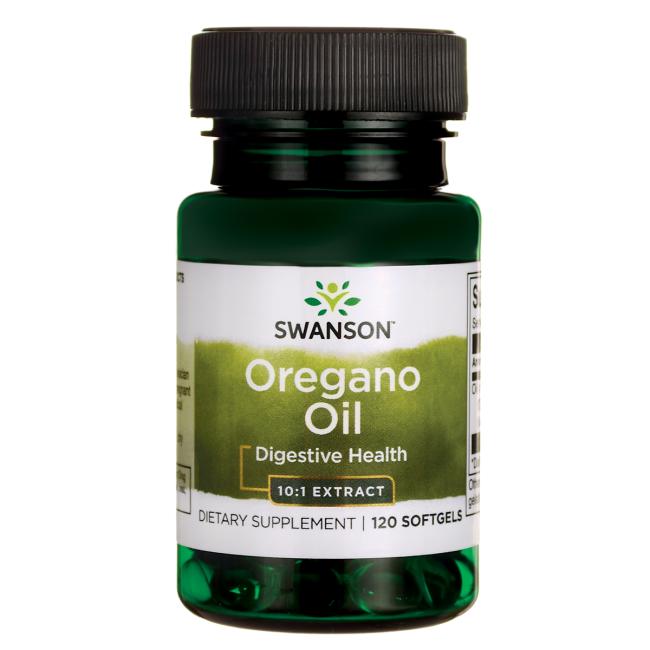
Oregano oil and cancer
What is oregano oil
Oregano oil is an essential oil extracted from the leaves and flowers of the oregano plant (Origanum vulgare), a perennial herb belonging to the mint family. The essential oil is typically extracted by steam distillation, where the plant material is heated, and the vapor released is condensed into oil. Oregano oil has a strong, spicy scent and a sharp taste.
History and traditional use
Oregano has a long history of medicinal use dating back to ancient Greece and Rome. Hippocrates, the “father of medicine,” used oregano to treat respiratory diseases and digestive problems. In traditional Chinese medicine, oregano has been used to treat fever, vomiting, and diarrhea. Oregano has also been used as a natural preservative in foods due to its antimicrobial properties.
Modern use
Today, oregano oil is a popular dietary supplement used to support the immune system, fight infections, and relieve inflammation. Oregano oil is known for its high content of carvacrol and thymol, two bioactive compounds with potent antioxidant, antibacterial, antiviral, and antifungal properties.
Oregano oil and cancer
In recent years, oregano oil has attracted interest for its potential in connection with cancer treatment. in vitro (in test tubes/petri dishes) and in vivo (in living organisms) studies have shown that oregano oil and its components can inhibit the growth of cancer cells, induce apoptosis (programmed cell death), and modulate the immune system. These effects are believed to be related to oregano oil’s antioxidant, anti-inflammatory, and cytotoxic properties.
Mechanisms of action and potential
Oregano oil’s potential in cancer treatment is primarily due to its content of carvacrol and thymol, two phenolic compounds with a wide range of biological activities:
Antioxidant activity
Carvacrol and thymol have potent antioxidant properties that can protect cells from oxidative stress (free radicals) and DNA damage caused by free radicals. Oxidative stress is involved in the development of a number of chronic diseases, including cancer. By neutralizing free radicals, oregano oil can help prevent cell damage and reduce the risk of cancer development.
Anti-inflammatory activity
Inflammation is a natural part of the body’s defense mechanism, but chronic inflammation can contribute to the development of cancer. Carvacrol and thymol have been shown to inhibit the production of inflammatory cytokines, such as TNF-α and IL-6, which are involved in cancer cell proliferation and metastasis.
Cytotoxic activity
in vitro and in vivo studies have shown that oregano oil and its components can inhibit the growth of cancer cells and induce apoptosis (programmed cell death) in various cancer cell types, including:
These effects are believed to be related to oregano oil’s ability to modulate cellular signaling pathways, affect the cell cycle, and induce oxidative stress in cancer cells [1, 2, 3, 4, 5, 6, 8].
Immunomodulation
Oregano oil can modulate the immune system by increasing the activity of immune cells, such as NK cells (Natural Killer cells) and macrophages, which can recognize and kill cancer cells. Oregano oil can also increase the production of cytokines (signaling substances between cells) such as interferon-γ (IFN-γ), which has anti-tumor activity [7].
Anti-angiogenesis
Angiogenesis is the formation of new blood vessels, a process that is essential for tumor growth and metastasis. Some studies suggest that oregano oil can inhibit angiogenesis by downregulating growth factors that stimulate the formation of new blood vessels, such as VEGF (Vascular Endothelial Growth Factor).
Inhibition of metastasis
Metastasis is the spread of cancer cells from the primary tumor to other parts of the body. Oregano oil has been shown to inhibit metastasis in in vivo studies by reducing cell migration and invasion.
Affects pathways
Oregano oil and its components, especially carvacrol, have been shown to affect various signaling pathways in cells that are relevant for cancer development.
One of the most studied pathways in this context is NF-κB (nuclear factor kappa-light-chain-enhancer of activated B cells), which plays a central role in inflammation, immune response, and cell survival. Overexpression of NF-κB is involved in the development of a number of chronic diseases, including cancer.
Carvacrol has been shown to inhibit the activation of NF-κB, which can reduce inflammation and inhibit the growth of cancer cells.
In addition, oregano oil and its components can affect other pathways, such as:
- MAPK/ERK pathway: This pathway is involved in cell growth, proliferation, and differentiation. Some studies have shown that oregano oil can inhibit the MAPK/ERK pathway, which can help inhibit cancer cell growth.
- PI3K/Akt pathway: This pathway is involved in cell survival, growth, and angiogenesis. Oregano oil has been shown to inhibit the PI3K/Akt pathway in some cancer cell types.
- Wnt/β-catenin pathway: This pathway is involved in cell proliferation, differentiation, and stem cell self-renewal. Some studies suggest that oregano oil can inhibit the Wnt/β-catenin pathway.
Liver
- Protection against damage: Oregano oil can protect liver cells from damage caused by toxins, including medications, alcohol, and environmental toxins. Its antioxidant properties help neutralize free radicals that can damage liver cells.
- Reduces inflammation: Oregano oil can reduce inflammation in the liver, which can be caused by various factors, including infections, alcohol abuse, and fatty liver.
- Supports detoxification: Oregano oil can support the liver’s detoxification function by increasing the activity of enzymes involved in phase I and phase II detoxification.
Kidneys
- Protection against damage: Oregano oil can protect the kidneys from damage caused by oxidative stress and inflammation, which can contribute to the development of chronic kidney disease.
- Reduces inflammation: Oregano oil can reduce inflammation in the kidneys, which can be caused by infections, autoimmune diseases, and high blood pressure.
- Can improve kidney function: Some studies suggest that oregano oil can improve kidney function in people with chronic kidney disease.
Benefits of oregano oil
Potent antioxidant
Protects cells from oxidative stress and DNA damage, which are implicated in the development of cancer.
Anti-inflammatory
Inhibits the production of inflammatory cytokines, which are involved in cancer cell proliferation and metastasis.
Cytotoxic
Can inhibit the growth of cancer cells and induce apoptosis (programmed cell death).
Immunomodulating
Increases the activity of immune cells that fight cancer cells.
Anti-angiogenesis
Can inhibit the formation of new blood vessels, which are essential for tumor growth.
Inhibits metastasis
Can reduce the spread of cancer cells to other parts of the body.
Natural product
Oregano oil is a natural product with a long history of medicinal use.
Disadvantages and limitations
Limited clinical evidence
There is a need for more research to confirm oregano oil’s effectiveness in cancer treatment and establish optimal dosing and use.
Can interact with certain medications
Oregano oil can interact with certain medications, including blood-thinning medications and diabetes medications.
Not a replacement for conventional treatment
Oregano oil should only be used as a complementary treatment and should not replace other relevant cancer treatment.
Can cause side effects
Oregano oil can cause side effects such as skin irritation, allergic reactions, and gastrointestinal issues.
Clinical studies
Although preclinical studies have shown promising results, clinical studies of oregano oil in cancer treatment are still limited. There is (as with almost all dietary supplements) a need for larger, randomized controlled studies to confirm these results and establish the optimal dosing and use of oregano oil in different cancer types and treatment regimens.
Some of the clinical studies that have examined oregano oil in relation to cancer include:
- Leukemia: A pilot study showed that oregano oil can induce apoptosis in leukemia cells in patients with chronic lymphocytic leukemia.
- Breast cancer: An in vitro study showed that carvacrol, a main component in oregano oil, can inhibit the growth of breast cancer cells and induce apoptosis.
- Prostate cancer: An in vivo study showed that oregano oil can inhibit the growth of prostate tumors in mice.
Safety
Oregano oil is generally well tolerated, but can cause side effects such as:
- Skin irritation
- Allergic reactions
- Gastrointestinal issues
People with allergies to plants in the mint family should avoid oregano oil. Pregnant and breastfeeding women should consult a competent healthcare provider before taking oregano oil.
Oregano oil can interact with certain medications, including blood-thinning medications and diabetes medications. It is therefore important to inform your healthcare provider about all medications and supplements you are taking before starting oregano oil.
Dispensing and use
Oral
Oregano oil can be taken orally in the form of capsules or drops. When taking drops, it is important to dilute oregano oil with a carrier oil, such as olive oil or coconut oil, as it is very concentrated.
Topical
Oregano oil can be used topically on the skin, but here too, it is important to dilute it with a carrier oil to avoid skin irritation.
Aromatherapy
Oregano oil can be used in aromatherapy by adding a few drops to a diffuser.
Dosage
The recommended dosage varies depending on the indication and the individual patient. Follow the given instructions and avoid exceeding the recommended daily dose.
Purity
Be aware that the oil should contain at least 80% of the plant substance carvacrol. If it is organic, that is of course an additional plus.
Conclusion
Oregano oil is a promising natural product with potential as a complementary treatment for cancer due to its antioxidant, anti-inflammatory, and cytotoxic properties.
However, there is a need for more research to confirm its effectiveness and establish optimal use in cancer treatment.
Back to Supplements grouped by effect
Links
[1] Hydroxypropyl Cellulose Hydrogel Containing Origanum vulgare ssp. hirtum Essential-Oil-Loaded Polymeric Micelles for Enhanced Treatment of Melanoma (PubMed, 2024)
- Content: In vitro study investigating a novel hydrogel formulation containing oregano essential oil-loaded polymeric micelles for enhanced treatment of melanoma, demonstrating improved drug delivery and anti-cancer efficacy.
[2] Anticancer, antioxidant, and antibacterial effects of nanoemulsion of Origanum majorana essential oil (PubMed, 2023)
- Content: In vitro study examining the anticancer, antioxidant, and antibacterial effects of a nanoemulsion formulation of Origanum majorana essential oil, showing its potential as a multifunctional therapeutic agent.
[3] Effects of essential oil of Origanum onites and its major component carvacrol on the expression of toxicity pathway genes in HepG2 cells (PubMed, 2024)
- Content: In vitro study investigating how Origanum onites essential oil and its major component carvacrol affect the expression of toxicity pathway genes in HepG2 liver cancer cells, providing insights into mechanisms of action.
- Content: In vitro study (retracted) showing how nanoemulsion and encapsulation strategies for hydrophobic oregano essential oil increased human prostate cancer cell death via apoptosis by attenuating lipid metabolism.
[5] Exploring the Anticancer Potential of Origanum majorana Essential Oil Monoterpenes Alone and in Combination against Non-Small Cell Lung Cancer (PubMed, 2023)
- Content: In vitro study exploring the anticancer potential of Origanum majorana essential oil monoterpenes, both alone and in combination, against non-small cell lung cancer, demonstrating synergistic effects.
[6] Cytotoxic Effect Induced by Sicilian Oregano Essential Oil in Human Breast Cancer Cells (PubMed, 2023) Content: In vitro study investigating the cytotoxic effect induced by Sicilian oregano essential oil in human breast cancer cells, showing its potential as an anti-cancer agent.
[7] Can Origanum be a hope for cancer treatment? A review on the potential of Origanum species in preventing and treating cancers (PubMed, 2022)
- Content: Review article discussing the potential of Origanum species in preventing and treating cancers, summarizing current research and mechanisms of action.
[8] Oregano Phytocomplex Induces Programmed Cell Death in Melanoma Lines via Mitochondria and DNA Damage (PubMed, 2020)
- Content: In vitro study showing that oregano phytocomplex induces programmed cell death in melanoma cell lines via mitochondria and DNA damage, demonstrating its potential as an anti-cancer treatment.
Page created: January 30, 2025
❤
What you read on “Jeg har Kræft” is not a recommendation. Seek competent guidance.
