


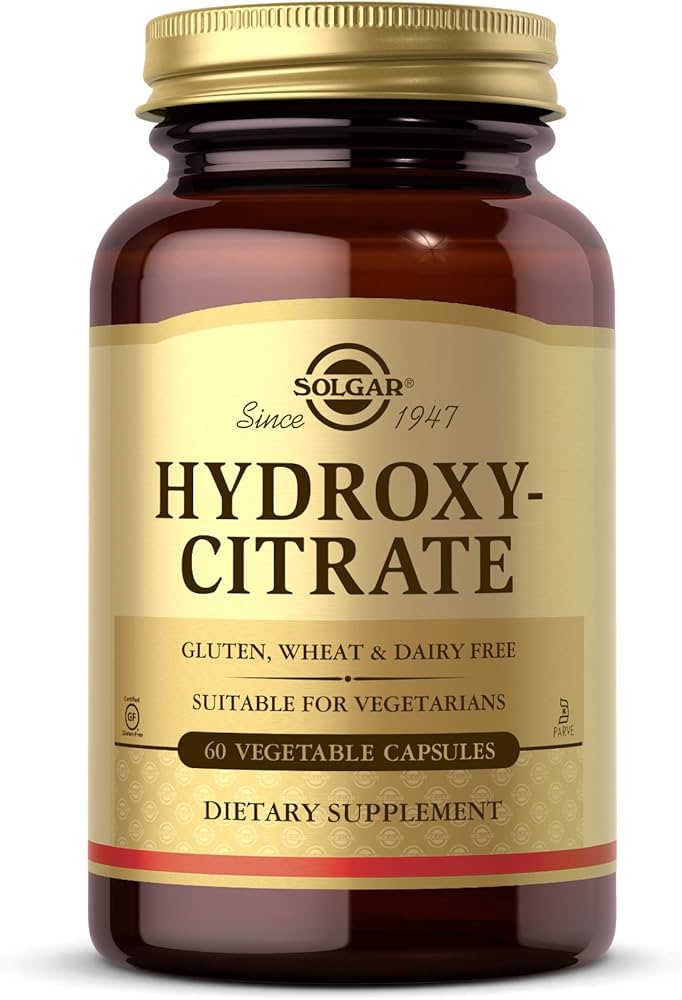
Hydroxycitrate (HCA) and cancer
What is Hydroxycitrate (HCA)
Hydroxycitrate (HCA) is a naturally occurring organic acid derivative of citric acid. It is primarily found in the fruit rind of the plant Garcinia cambogia, a small fruit tree with pumpkin-shaped fruits native to Southeast Asia and India.
History
Historically, Garcinia cambogia has been used in traditional medicine in these regions for various purposes, including indigestion, treating parasites, and as an appetite suppressant. In recent years, HCA has become the subject of significant interest in the Western world, primarily due to its potential role in weight control, but also because of its effects in connection with cancer treatment.
Mechanisms of action
Hydroxycitrate (HCA) is believed to exert its effects through several complex biochemical mechanisms in the body. These mechanisms may have relevance in connection with cancer, although research in this area is still in the early stages.
Inhibition of ATP-citrate lyase
One of the best-studied mechanisms of action for HCA is its ability to inhibit the enzyme ATP-citrate lyase [1, 2, 4]. This enzyme plays a central role in de novo lipogenesis (new formation of fatty acids). ATP-citrate lyase catalyzes the conversion of citrate, which comes from the mitochondria (the cell’s power plants), into acetyl-CoA (acetyl-coenzyme A) in the cytosol. Acetyl-CoA is an important building block for the synthesis of fatty acids, cholesterol, and other lipids.
By inhibiting ATP-citrate lyase, HCA reduces the availability of acetyl-CoA. This can have several potential effects in relation to cancer:
- Decreased fatty acid synthesis: Cancer cells often have increased fatty acid synthesis, which is necessary for the formation of cell membranes and energy storage, supporting their rapid growth and spread. By inhibiting fatty acid synthesis, HCA can potentially limit the resources cancer cells need to grow and divide [1].
- Effect on cholesterol biosynthesis: Acetyl-CoA is also a precursor for cholesterol. Although the direct effect of HCA on cholesterol in cancer cells is less studied, a reduction in acetyl-CoA could potentially affect cholesterol levels, which also play a role in cell membrane integrity and signaling in cancer cells.
- Metabolic stress: The inhibition of a central metabolic pathway like fatty acid synthesis can potentially induce metabolic stress in cancer cells, making them more vulnerable to other treatments.
Effect on glucose metabolism
In addition to its effect on fatty acid synthesis, HCA may also influence glucose metabolism. Some studies suggest that HCA can increase glycogen storage and potentially improve insulin sensitivity.
Although the direct link to cancer might not be immediately obvious, there is a growing understanding of how metabolic disturbances, including insulin resistance and altered glucose uptake, can influence cancer development and progression. By modulating glucose metabolism, HCA can indirectly influence the behavior of cancer cells.
See also Can fructose feed cancer?
Antioxidant effect
Certain investigations have suggested that extracts from Garcinia cambogia, which contain HCA, may have antioxidant effects. Antioxidants are substances that can neutralize free radicals. Oxidative stress is involved in the development and progression of many cancers [7].
If HCA possesses significant antioxidant properties, it could potentially contribute to protecting cells from damage and inhibiting cancer development. However, it is important to note that the primary mechanism of action highlighted for HCA is the inhibition of ATP-citrate lyase.
Impact on inflammatory pathways
Inflammation plays a complex role in cancer. Chronic inflammation can create an environment that promotes tumor growth and spread. Some preclinical studies have indicated that HCA may have anti-inflammatory effects by influencing various inflammatory signaling pathways. By dampening inflammation, HCA can potentially contribute to creating a less favorable environment for cancer cell growth and metastasis.
Potential as a supplementary treatment for cancer
Hydroxycitrate (HCA) shows promising potential as a supplementary treatment for cancer, primarily due to its impact on central metabolic processes crucial for cancer cell survival and growth:
Inhibition of cancer cell growth and metastasis
Several in vitro studies have demonstrated that HCA can inhibit the growth of various types of cancer cells, including liver cancer cells (hepatocellular carcinoma), colon cancer cells, and breast cancer cells [1, 2]. The mechanism behind this inhibition is primarily believed to be related to HCA’s ability to block fatty acid synthesis via inhibition of ATP-citrate lyase.
Furthermore, some in vivo studies on animal models have suggested that HCA can reduce tumor growth and inhibit metastasis [8]. These results suggest that HCA could potentially play a role in preventing the spread of cancer.
Synergy with conventional cancer treatment
There is growing interest in investigating whether HCA can improve the effectiveness of conventional cancer treatments like chemotherapy [8]. Some preclinical studies have indicated that HCA in combination with certain chemotherapeutic agents can have a synergistic effect.
For example, a study investigated the combination of hydroxycitrate and lipoic acid (METABLOC) alongside chemotherapy and observed improved effectiveness against tumor development in experimental trials.
Impact on cancer cell metabolism
Cancer cells often exhibit an altered metabolism, known as the Warburg effect, where they primarily rely on glycolysis for energy production even in the presence of oxygen [5]. By affecting both fatty acid synthesis and potentially glucose metabolism, HCA can intervene in these metabolic processes.
Anti-angiogenic potential
Angiogenesis is a crucial process for tumor growth and metastasis. Some preclinical studies have suggested that HCA may have anti-angiogenic properties by inhibiting the formation of new blood vessels in tumors.
Advantages of Hydroxycitrate (HCA)
Hydroxycitrate (HCA) exhibits several potential advantages:
Natural origin and relatively low toxicity
HCA is a natural substance extracted from the fruit rind of Garcinia cambogia. Generally, it is considered relatively safe for short-term use in recommended doses. This is a significant advantage compared to many conventional treatments associated with significant side effects.
Broad-spectrum metabolic impact
HCA affects several central metabolic pathways. This broad-spectrum action can be beneficial in treating cancer, as cancer cells often have altered metabolism and are dependent on these pathways.
Possibility of synergy with conventional treatment
As mentioned, preclinical evidence suggests HCA may have a synergistic effect when combined with certain chemotherapeutic agents [8].
Disadvantages and limitations
While HCA shows promising potential, there are also disadvantages:
Limited clinical evidence in humans
The most significant limitation is the lack of comprehensive human clinical studies specifically examining HCA’s effect as a supplementary treatment for cancer. Most results come from in vitro and in vivo animal models.
Potential side effects
Although generally considered safe, some individuals may experience digestive issues like nausea, diarrhea, and stomach discomfort. Headache and skin rash have also been reported in rare cases.
Possible interactions with medication
HCA can potentially interact with certain medications. For example, it may affect blood sugar control and interact with antidiabetics like metformin and insulin. There is also a theoretical risk of interactions with blood thinners like warfarin.
Clinical studies
Currently, there is a limited number of clinical studies specifically examining HCA as a supplementary treatment for cancer in humans. Most existing studies have focused on weight loss.
- A case report investigated the combination of hydroxycitrate and lipoic acid (METABLOC) as a supplement to chemotherapy and observed a positive effect on tumor development.
- Some smaller clinical studies have examined the effect of Garcinia cambogia extracts on metabolic parameters in cancer patients, focusing on weight and quality of life.
Safety
Hydroxycitrate (HCA) is generally considered quite safe for most adults for short-term oral intake (up to 12 weeks) in recommended doses (typically up to 2800 mg HCA per day).
Precautions:
- Pregnancy and breastfeeding: HCA should generally be avoided due to a lack of research.
- Diabetes: HCA can affect blood sugar control; use caution and monitor levels closely in consultation with a practitioner.
- Bleeding disorders: There is a theoretical possibility that HCA can affect blood coagulation.
- Surgery: It is generally recommended to stop taking HCA a few weeks before planned surgery.
Dispensing and application
- Dosage: Typical doses in weight loss studies range between 500 mg and 2800 mg HCA per day. There is no established standard dose for cancer.
- Administration: Taken orally with water, often before meals.
- Duration: There is no established recommended duration for use in connection with cancer.
Based on available research, the half-life of HCA varies:
- Oral administration: Peak plasma concentration (Cmax) is reached after approximately 2-3 hours.
- Encapsulated formulation (e.g., exosomes): A newer pharmacokinetic study with HCA encapsulated in bovine milk exosomes showed a sustained release with a half-life of 22.74 hours [1].
Conclusion
Hydroxycitrate (HCA) is a natural substance with interesting mechanisms that could potentially have relevance as a supplementary treatment for cancer. Preclinical studies suggest it can inhibit growth and metastasis, have synergistic effects with chemotherapy, and impact cancer cell metabolism [1, 2, 8].
However, there is a significant need for well-designed clinical studies to establish HCA’s actual potential as a safe and effective supplementary treatment for cancer.
Back to Dietary supplements
See also Cancer as a metabolic disease
See also Dietary supplements and chemotherapy – Interactions
Links
[1] Inhibition of ATP Citrate Lyase by Hydroxycitrate-Loaded Exosomes Suppresses the Survival of Lung Adenocarcinoma Cells (PubMed, 2025)
- Content: A pharmacokinetic study showing that HCA encapsulated in exosomes has a long half-life and suppresses lung cancer cell survival by inhibiting ATP-citrate lyase.
[2] Hydroxycitric acid reverses tamoxifen resistance through inhibition of ATP citrate lyase (PubMed, 2022)
- Content: Research documenting that HCA can help overcome resistance to hormonal therapy (tamoxifen) in breast cancer cells.
[3] Extracellular ATP is increased by release of ATP-loaded microparticles triggered by nutrient deprivation (PubMed, 2022)
- Content: A study on cellular energy mechanisms and ATP release during nutrient stress.
[4] Discovery of a new ATP-citrate lyase (ACLY) inhibitor identified by a pharmacophore-based virtual screening study (PubMed, 2021)
- Content: Research identifying inhibitors of ATP-citrate lyase, the enzyme HCA targets.
[5] Hyperosmolarity Triggers the Warburg Effect in Chinese Hamster Ovary Cells and Reveals a Reduced Mitochondria Horsepower (PubMed, 2021)
- Content: A study exploring the triggers of the Warburg Effect (metabolic shift) in cells.
[6] Mass spectrometric investigations of caloric restriction mimetics (PubMed, 2021)
- Content: Investigations into substances like HCA that mimic the metabolic effects of caloric restriction.
[7] Therapeutic Effect of Garcinia cambogia Extract and Hydroxycitric Acid Inhibiting Hypoxia-Inducible Factor in a Murine Model of Age-Related Macular Degeneration (PubMed, 2019)
- Content: A study showing HCA’s potential to inhibit factors involved in oxygen-deprived (hypoxic) tumor environments.
[8] A synergistic triad of chemotherapy, immune checkpoint inhibitors, and caloric restriction mimetics eradicates tumors in mice (PubMed, 2019))
- Content: Research demonstrating that HCA (as a caloric restriction mimetic) works synergistically with chemotherapy to eradicate tumors in animal models.
Page created: Apr 13, 2025. Last revised: Apr 30, 2026.
❤
What you read on Jeg har Kræft is not a recommendation. Seek competent guidance.
