


Treatments
Protokols for cancer
- The metabolic and data-driven
- Repurposed drugs and medical combinations
- Intensive diet and detoxification
- Anthony William (the medical medium)
- Bill Henderson Protocol (Budwig & Rath)
- Breuss Cure (vegetable juice)
- Budwig Diet (cottage cheese and flaxseed oil)
- Chris Beat Cancer (diet and mindset)
- Gerson Protokol (juice and detoxification) (scroll down)
- The Gonzalez Protocol (enzymes and nutritional types)
- Strange Skov (Autoimmune)
- Wahls Protocol (paleo/ mitochondria)
- William Li (anti-angiogenesis diet)
- Strategic fasting
- Tradition and wisdom
- Mind-body and biological decoding
The Gerson Diet for Cancer
What is the Gerson Diet
The Gerson Diet is a strict, plant-based diet combined with other treatments, originally developed by Dr. Max Gerson in the 20th century. The diet has been promoted as a treatment for a wide range of diseases, including cancer.
Although there is no clear scientific consensus on the effectiveness of the Gerson Diet, there are several potential positive aspects to this nutritional approach—not least positive ecological and environmental ones.
What does the diet involve
The diet is very restrictive and requires extensive preparation. The primary elements are:
A strict, organic diet
Large amounts of raw, organic fruit and vegetable juices.
Limited intake of starch and protein.
Exclusion of salt, sugar, and animal products.
Supplement treatment
Large doses of vitamins, minerals, and other supplements.
High nutritional value
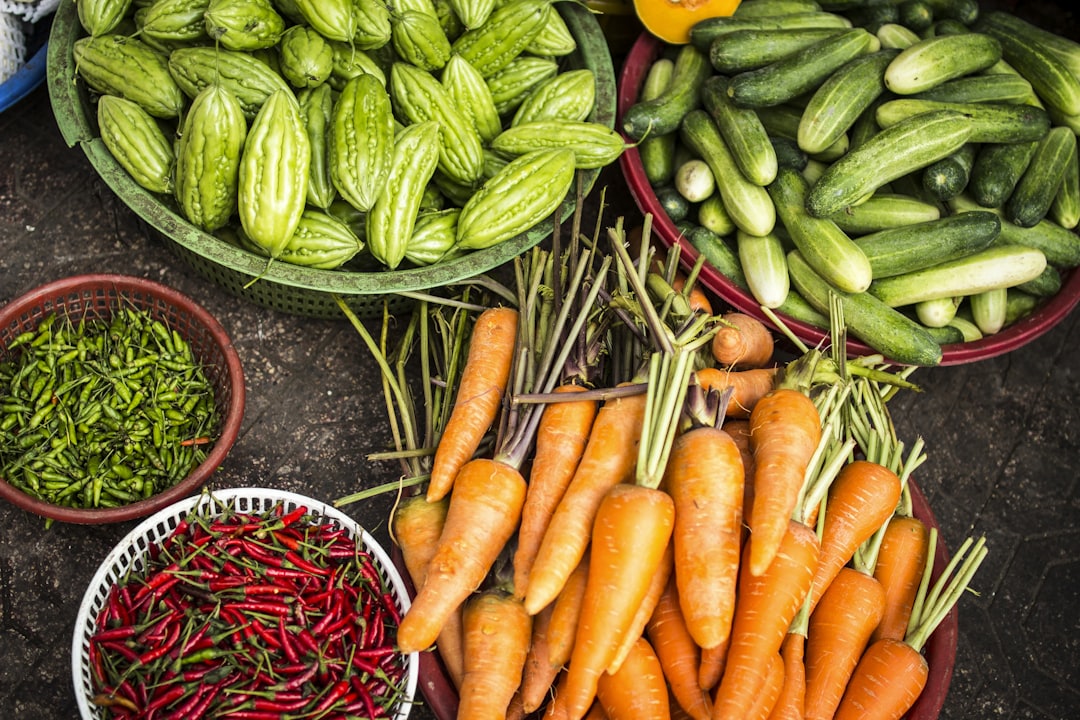
The Gerson Diet places great emphasis on fresh, organic fruits and vegetables, which are rich in vitamins, minerals, and antioxidants. This can contribute to a generally healthier lifestyle and strengthen the immune system.
Focus on plant-based diet
By promoting the intake of plant-based foods, the Gerson Diet can help reduce the intake of red meat and processed foods, which are associated with an increased risk of certain diseases.
Detoxification
A central part of the Gerson Diet is to support the body’s natural detoxification processes through increased water intake and specific supplements. This can lead to a feeling of increased well-being in some people.
Detox treatments include
Coffee and castor oil enemas.
The goal of the diet is to cleanse the body of toxins, improve cell function, and strengthen the immune system.
Lifestyle focus
The Gerson Diet is more than just a diet; it is a lifestyle change that also includes rest, stress reduction, and other complementary therapies. This holistic approach can have positive psychological effects.
Potentials beyond health
Social change
By focusing on organic production and sustainable food systems, the Gerson Diet can contribute to a more environmentally friendly approach to nutrition.
Personal empowerment
Many people who follow the Gerson Diet report a feeling of empowerment and control over their own health.
Is the Gerson Diet effective
There is apparently no scientific evidence that the Gerson Diet is effective in treating cancer or other serious diseases. Many of the positive results attributed to the diet are based on anecdotal evidence and small, independent studies that do not meet modern scientific standards. There appear to be examples of good results (see Links at the bottom of the page). Personally, I have no opinion on the diet’s effectiveness.
Important considerations
Risks
The diet can lead to serious nutritional deficiencies, electrolyte imbalances, and other health problems.
Costs
The diet is very expensive, as it requires large amounts of organic food (which can only be good for both the body and nature) and supplements.
Time-consuming
The diet is very time-consuming and requires extensive preparation and planning.
Important warnings

The Gerson therapy is one of the most intensive detox cures available. Because it so violently interferes with the body’s salt and fluid balance, there are real risks of life-threatening conditions.
Electrolyte collapse
The combination of frequent coffee enemas and enormous amounts of potassium-rich juice can wash out the body’s sodium.
Problem:
- Enemas flush salts out of the intestines. If the sodium level in the blood becomes too low (hyponatremia), it can lead to confusion, cramps, heart failure, and coma.
- It is crucial to have blood tests taken continuously.
Infections from raw food
The cure requires intake of raw eggs (in shakes) and raw vegetables/juice all day.
Problem:
- If you are in chemotherapy and have low immunity (neutropenia), raw food is dangerous.
- Bacteria such as Salmonella or E. coli, which are normally harmless, can cause life-threatening infections in cancer patients. In these cases, everything must be boiled or steamed.
Extreme weight loss
The diet is very low in calories and protein, as it excludes meat, fish, eggs (cooked), dairy products, nuts, and oil.
Why:
- Cancer patients often already suffer from weight loss. On this diet, the body risks breaking down muscle tissue to get energy, which weakens the heart and respiratory muscles.
Liver strain
Coffee enemas are designed to force the liver to excrete toxins quickly.
Problem:
- If the liver is filled with metastases or is damaged by chemo, this violent “forced cleansing” can overload the liver, causing it to collapse (liver coma).
Safety
Always consult your practitioner before starting a protocol.
Conclusion
The Gerson Diet can offer a number of potential health benefits, especially for those who want to improve their nutrition and general well-being. If you are considering following the Gerson Diet, you should consult your competent advisor to ensure that it is safe and suitable for you.
Example of the Gerson Diet
Breakfast:
- A large bowl of oatmeal (made with water, simmered slowly). Sweetening: The porridge is sweetened by letting dried fruit (raisins, chopped dates, or apricots) boil with it.
- You may add a little honey or maple syrup, but max. 1-2 tsp. daily. In addition, a glass of freshly pressed orange juice.
Morning:
- A glass of green juice (carrot/apple) and possibly fresh fruit (e.g., pear, banana, grapes).
Lunch:
- Hippocrates Soup (a special soup made from celeriac, parsley root, leeks, onions, tomatoes, and potatoes – blended purée). A large plate of steamed vegetables (without fat). A baked potato (without butter, but possibly with a dressing of yogurt/quark – only if allowed at this stage). Salad of raw vegetables with a dressing of lemon juice, vinegar, and flaxseed oil (flaxseed oil is the only allowed oil).
Afternoon:
- Several glasses of freshly pressed juice (carrot/apple or green juice) every hour.
Dinner:
- Leftovers of Hippocrates soup, steamed potatoes and beets, and another large raw vegetable salad without fat.
Important to remember
Amounts
- The amounts of food you eat are important in the Gerson Diet. It is often recommended to eat several small meals throughout the day instead of a few large ones.
Cooking methods
- The food should be prepared in a healthy way, such as steaming, boiling, or baking. Avoid frying in oil.
Sweetening
- First choice: Sweetness should preferably come from dried fruit (raisins, dates, figs, apricots) that are boiled with the porridge.
- Second choice: Honey and pure maple syrup are allowed, but it is rationed (max. 2 tsp. daily in total), as it must not displace the appetite for the important juices.
Supplements
- The Gerson Diet often includes specific supplements that you should take under competent guidance.
See also Nutrition and Diet
See also Diet that starves cancer
See also Vegan Diet
See also Budwig Cure
See also Arcadia Praxisklinik
See also menu suggestions here: Diet that starves cancer
Links
[1] Gerson regimen (PubMed, 2010)
- Content: Scientific review of the Gerson therapy approach.
[2] Exploring the use of alternative diets in people living with cancer (PubMed, 2023)
- Content: Study on alternative dietary approaches in cancer care.
[3] Surviving against all odds: analysis of 6 case studies of patients with cancer who followed the Gerson therapy (PubMed, 2007)
- Content: Case study analysis of cancer patients using the Gerson therapy.
[4] A medical application of the Ling association-induction hypothesis: the high potassium, low sodium diet of the Gerson cancer therapy (PubMed, 1978)
- Content: Research on the potassium-sodium balance in Gerson therapy.
[5] The Gerson Therapy (Gerson Institute, 2023)
- Content: Official information about the Gerson Therapy from the Gerson Institute.
[6] Gerson Regimen (Memorial Sloan Kettering Cancer Center, 2023)
- Content: Memorial Sloan Kettering’s overview of the Gerson regimen.
[7] The cure of advanced cancer by diet therapy: a summary of 30 years of clinical experimentation (PubMed, 1978)
- Content: Historical summary of Gerson’s clinical work with diet therapy.
[8] Alternative nutritional cancer therapies (PubMed, 1998)
- Content: Review of alternative nutritional therapies in cancer treatment.
[9] Organic food in cancer therapy (PubMed, 1988)
- Content: Study on the role of organic food in cancer therapy.
[10] What Is the Gerson Therapy, and Does It Fight Cancer? (Healthline, 2025)
- Content: Healthline’s overview of the Gerson Therapy and its potential effects.
[11] Book: A Cancer Therapy – Results of Fifty Cases and the Cure of Advanced Cancer by Diet Therapy (By Max Gerson, Saxo)
- Content: Max Gerson’s original book presenting his cancer therapy and case results.
[12] Book: The Gerson Therapy – The Proven Nutritional Program to Fight Cancer and Other Illnesses (By Morton Walker and Charlotte Gerson, Saxo)
- Content: Comprehensive guide to the Gerson Therapy by Charlotte Gerson and Morton Walker.
Page created: September 10, 2024
❤
What you read on I Have Cancer is not a recommendation. Seek competent guidance.
