


Treatments
Complementary and Alternative Treatments
- Physical treatments
- Repurposed Drugs – General
- No medication – Plan B
- Repurposed drugs and chemotherapy
- Repurposed drugs and radiation therapy
- FLCCC’s ranking of repurposed drugs
- Brain metastases and the blood-brain barrier
- Bombs, fire extinguishers, and timing
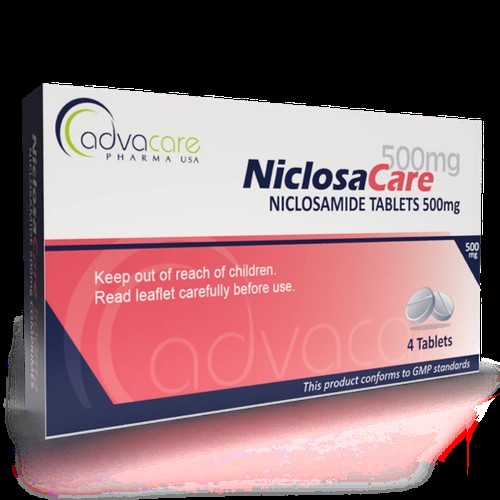
Niclosamide and cancer
Content:
- Niclosamid (scroll down)
- Parasitære midler sammenlignet (scroll to)
Short summary of niclosamide
Niclosamide is a well-known drug normally used for parasitic infections. It is now being investigated as a potential cancer treatment because its safety profile in humans is already known, which can expedite research.
Mechanism of action:
- The substance is interesting because it appears to hit cancer cells at several critical points simultaneously:
- Energy blockade: It disrupts the cells’ energy production (metabolism), which can lead to cell death.
- Growth inhibition: It blocks several of the central signaling pathways necessary for cancer cell growth and survival.
- Attack on stem cells: It shows a particular potential to eliminate the more resistant cancer stem cells, which are believed to cause recurrence and spread.
The central challenge:
- The biggest obstacle is the drug’s very low bioavailability. This means the body only absorbs a fraction of the medicine when taken as a pill. Consequently, the concentration in the blood becomes too low to have an effective impact on cancer cells throughout the body.
Status and conclusion:
- Due to the absorption problem, niclosamide is not a viable standard treatment for cancer at this time. All research is focused on developing new versions (formulations) of the drug that can solve this problem. It is therefore a promising, yet still experimental, treatment option.
What is niclosamide
Niclosamide is a drug that has been used for decades to treat tapeworm infections. It is a well-known and proven agent in that context. Interest in niclosamide for cancer treatment has arisen because researchers have discovered that the same mechanisms that kill parasites also appear to be highly effective against cancer cells. One is essentially trying to “repurpose” an old drug for a new purpose.
Challenge with absorption
Niclosamide and cancer
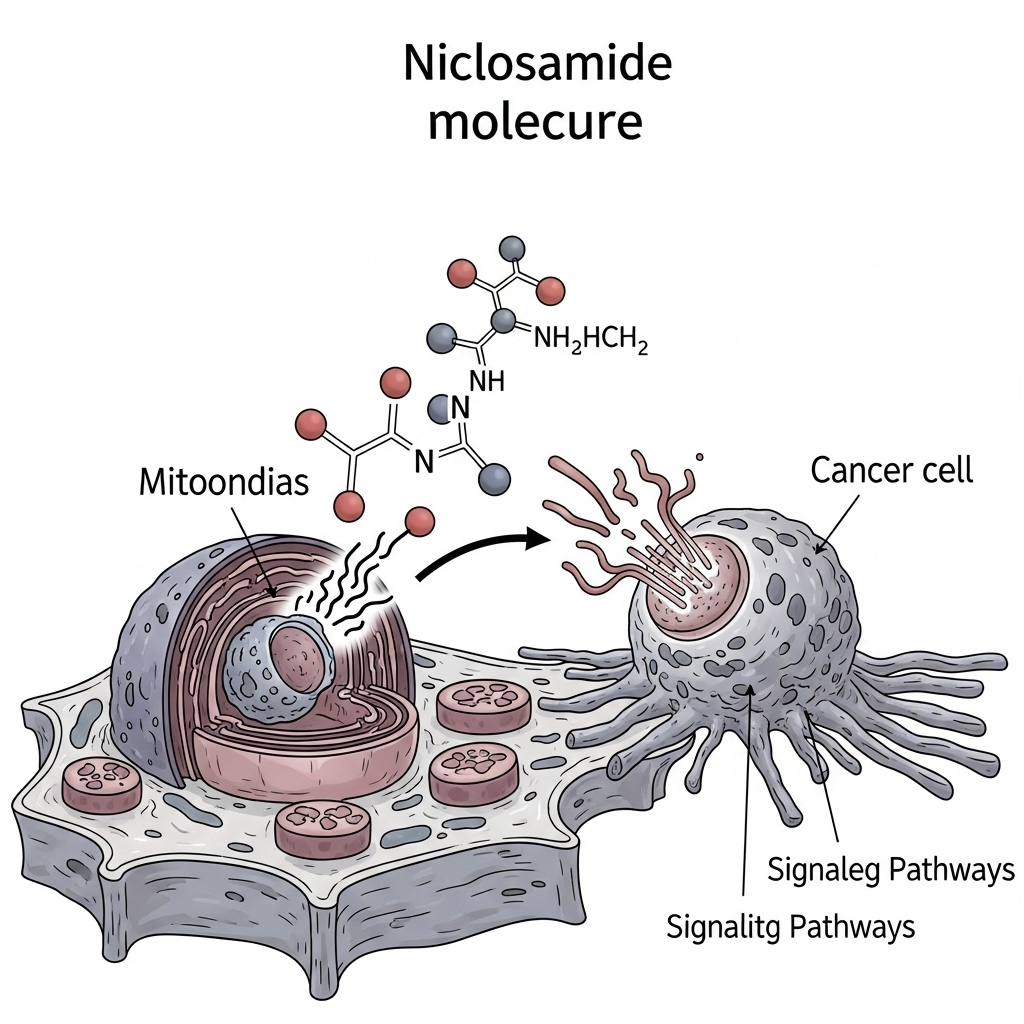
Niclosamide’s potential as a cancer agent is not due to a single effect, but its ability to function as a “multi-target” drug. It attacks and disrupts several fundamental survival processes in cancer cells simultaneously. This multifaceted approach is crucial as it reduces the cancer cells’ ability to develop resistance, as is often seen with more targeted treatments.
A. The metabolic attack: Collapse of the cell’s energy supply
The metabolism of cancer cells is often radically different from that of normal cells. Many tumors exhibit a strong dependence on sugar (glucose) and have a uniquely vulnerable energy system. Niclosamide exploits this vulnerability directly.
Oxidative stress and cell death:
- When mitochondrial function is disrupted so violently, they begin to produce large amounts of harmful, reactive oxygen species (ROS). This tidal wave of ROS creates massive oxidative stress in the cancer cell, damaging DNA, proteins, and membranes, ultimately acting as a powerful trigger for programmed cell death (apoptosis).
Mitochondrial uncoupling:
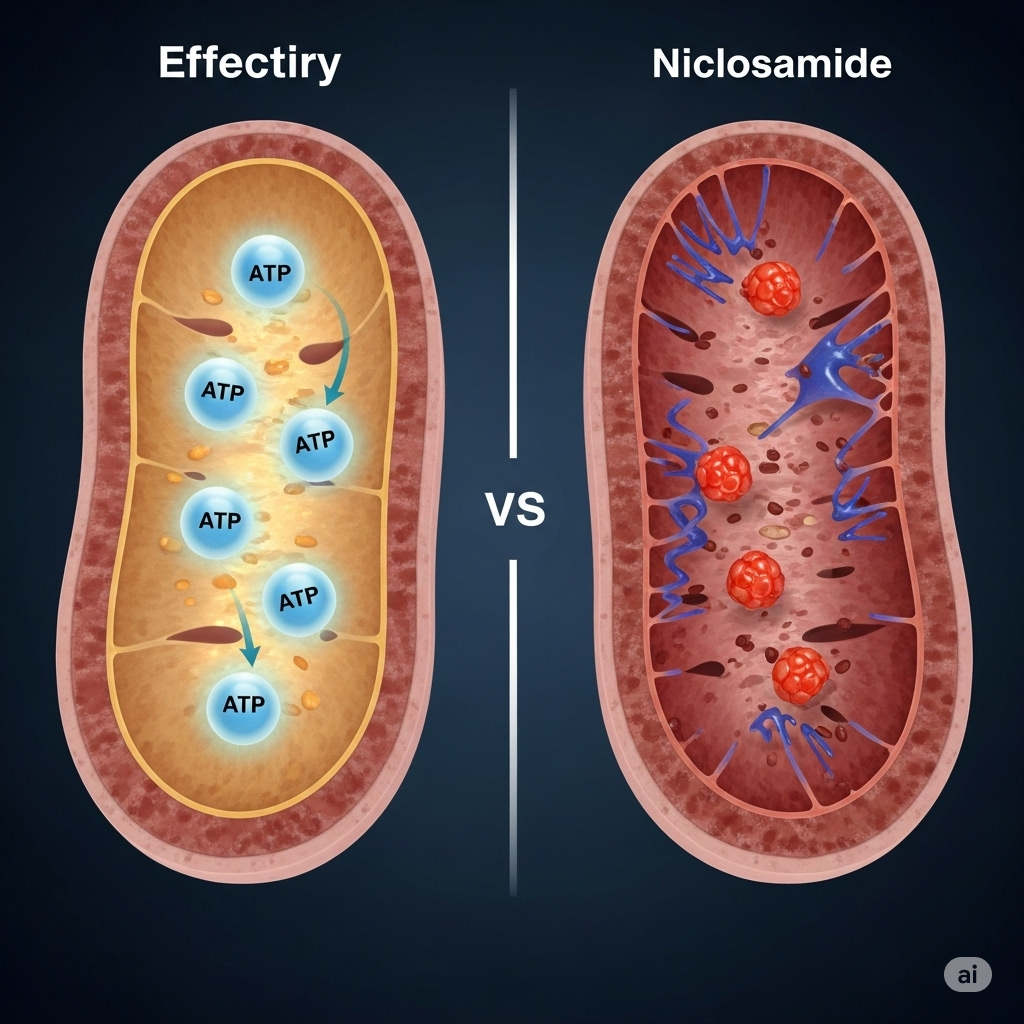
- Niclosamide functions as a highly effective “protonophore.” In the cell’s power plants, the mitochondria, energy (in the form of the molecule ATP) is created by building a voltage difference—a so-called proton gradient—across an inner membrane. Niclosamide acts as a “leak” that transports protons across this membrane, short-circuiting the voltage difference. This uncouples the entire energy production. The result is an immediate and catastrophic drop in the cell’s ATP levels, while the energy is instead released as pure heat.
B. Sabotage of the central signaling network
Cancer cells depend on a complex network of internal communication pathways that constantly signal “growth” and “survival.” Niclosamide acts as a saboteur hitting several of the network’s most important nodes.
NF-κB and chemosensitization:
- NF-κB is the cell’s primary defense against stress. Cancer cells hijack this mechanism to survive chemotherapy and radiation. By inhibiting NF-κB, niclosamide removes one of the cancer cell’s most important defense mechanisms. This means niclosamide can not only work alone but also make cancer cells significantly more sensitive to traditional treatments—a process known as “chemosensitization.”
The Wnt/β-catenin axis:
- This signaling pathway is crucial for cell division and differentiation and is permanently “turned on” in many types of cancer, especially colorectal cancer. Overactive Wnt signaling is also linked to the process where cancer cells transform to spread (Epithelial-Mesenchymal Transition, EMT). Niclosamide forces the cell to degrade the central protein β-catenin, effectively shutting down this critical growth motor.
STAT3 – an “onco-transcription factor”:
- STAT3 is a protein that, when active, moves into the cell nucleus and turns on genes encoding survival proteins (like Bcl-2 and Mcl-1) and growth factors that stimulate the formation of blood vessels (angiogenesis). Niclosamide prevents the activation (phosphorylation) of STAT3. Thus, the production of proteins the cancer cell depends on to resist cell death and attract nutrients is blocked.
C. Elimination of resistant cancer stem cells (CSCs)
Perhaps the most significant effect of niclosamide is its potential to target and kill cancer stem cells. These cells are a small subgroup of cells in a tumor that are extremely resistant to traditional treatment and are believed to be responsible for the cancer spreading (metastasizing) and returning after treatment. CSC survival and self-renewal ability are critically dependent on the very signaling pathways that niclosamide inhibits (especially Wnt and STAT3). By interrupting these pathways, niclosamide removes the foundation keeping the stem cells alive, making it a potential “anti-relapse” treatment.
D. Disruption of Autophagy
Autophagy is the cell’s recycling system, where damaged components are broken down and reused. In cancer, this process can be a double-edged sword. Niclosamide appears to block the final step in the autophagy process. This leads to an accumulation of “cellular waste” and defective mitochondria, further stressing the cancer cell and pushing it toward death.
One side of the sword (helps the cancer):
- Survival under pressure: When a cancer cell is under attack from, for example, chemotherapy or lacks nutrients, it can activate autophagy to survive. It “eats” its own damaged parts to obtain energy and building blocks. It functions as a survival mechanism that makes the cancer cell more resilient.
The other side of the sword (damages the cancer):
- A vulnerability that can be exploited: Precisely because the cancer cell is so dependent on this survival mechanism, it also becomes a vulnerability. If one blocks autophagy (which substances like hydroxychloroquine and partially niclosamide do), the cell’s lifeline is removed. It can no longer clean up its own waste, and damaged components and toxins accumulate. This pushes the stressed cancer cell over the edge, leading to its death.
In short:
- Autophagy is a process the cancer cell uses to save itself. But if this rescue operation is blocked, the cell dies from the very same chaos it tried to clean up. Therefore, it is a “double-edged sword”: it can both save and (if blocked) defeat the cancer cell.
Research status
Difficult absorption
Despite the promising mechanisms, there is a fundamental and very large challenge preventing niclosamide from becoming an effective cancer treatment: the substance is almost impossible to absorb into the body.Difficult absorption
Despite the promising mechanisms, there is a fundamental and very large challenge preventing niclosamide from becoming an effective cancer treatment: the substance is almost impossible to absorb into the body.
Working on a solution
When niclosamide is taken as a standard tablet, only a vanishingly small portion of the substance is absorbed from the intestine into the bloodstream. The concentration simply becomes too low to have an effect on cancer cells elsewhere in the body. Current research is therefore centered on solving this single problem, for example, by developing new technologies that “package” the substance so it can be absorbed.
Not yet applicable
Due to this challenge, niclosamide remains a purely experimental agent, only tested in laboratories and very early clinical trials.
Potential side effects
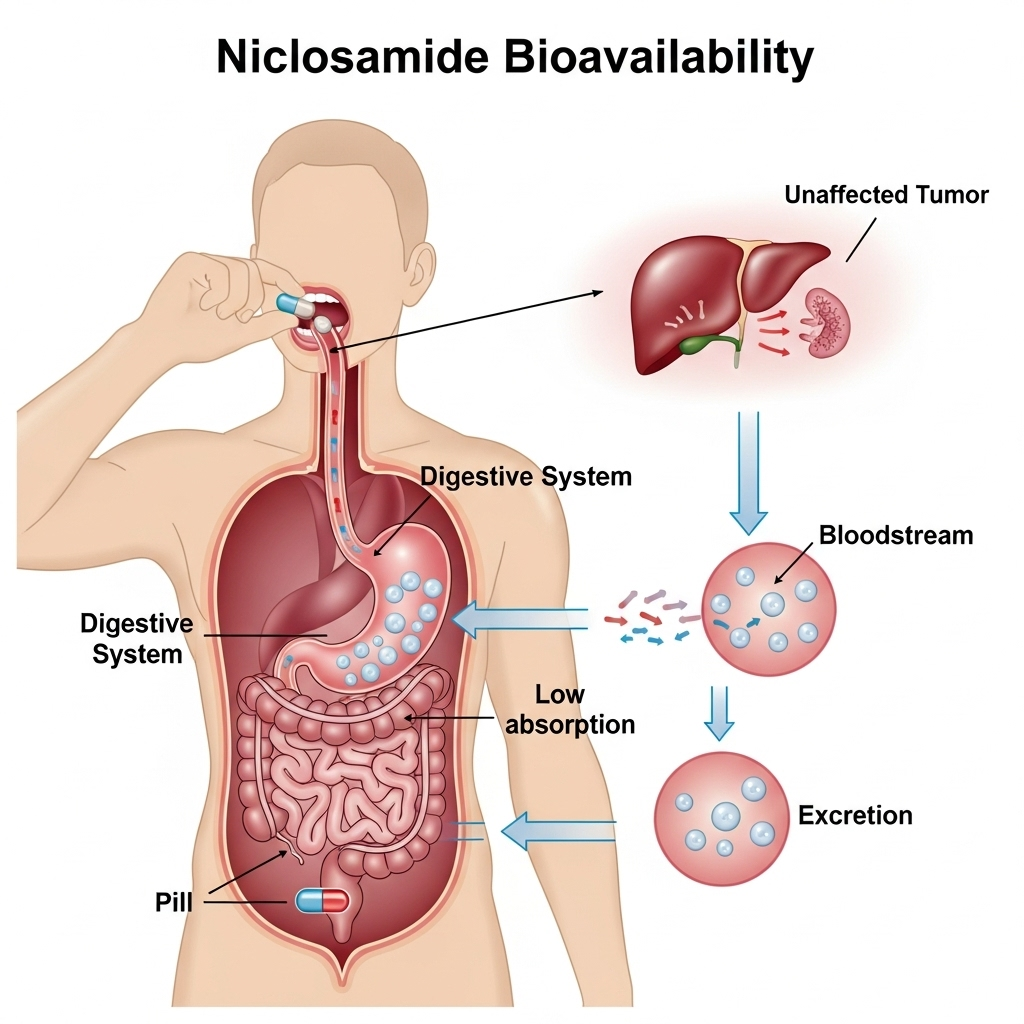
From its many years of use as a deworming agent, a number of possible side effects are known. They are generally mild and related to the gastrointestinal system. They may include:
- Nausea and vomiting
- Stomach pain or discomfort
- Diarrhea
- Itching
It is important to remember that these side effects have been observed during short-term use against parasites, and little is known about the effects of potential long-term use in cancer treatment.
Conclusion
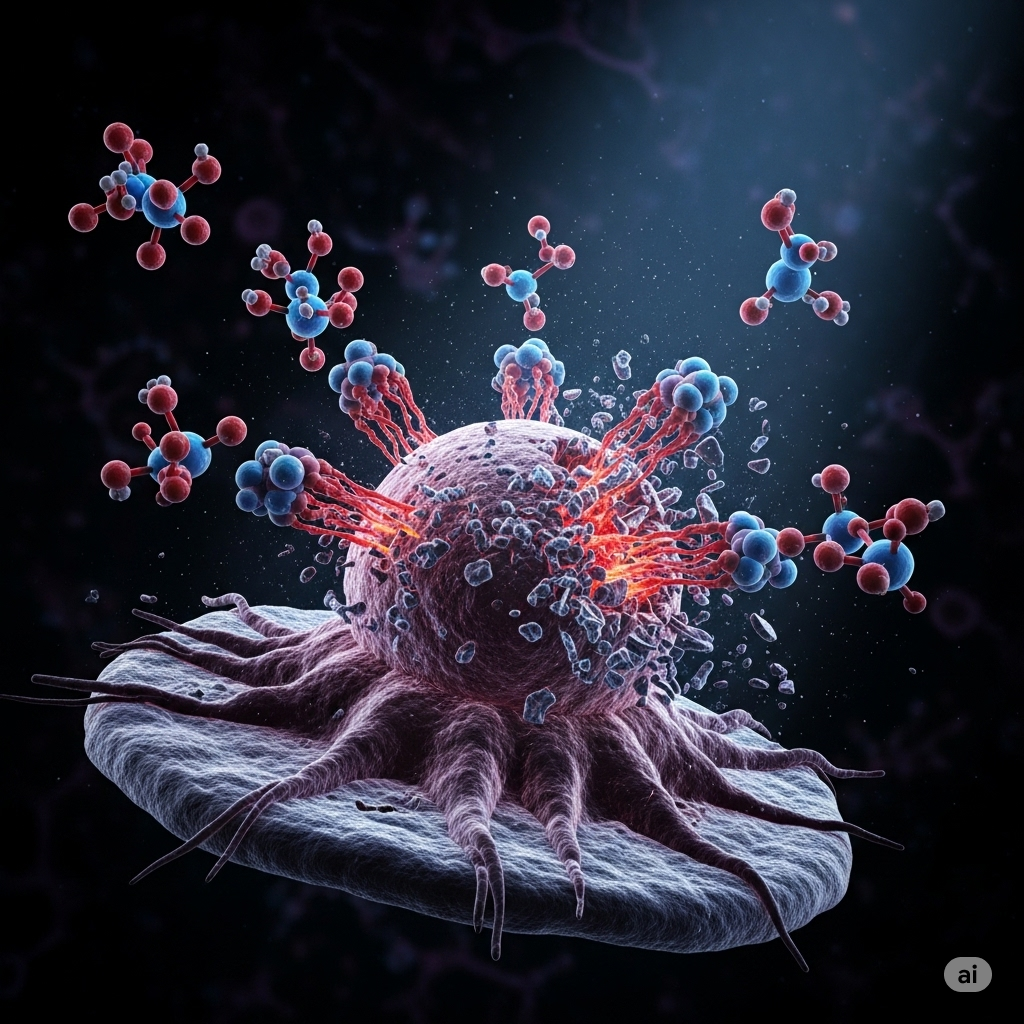
On paper, niclosamide has some of the most interesting and multifunctional mechanisms of action among repurposed drugs. Its ability to hit cancer cells’ energy, growth signals, and stem cells makes it a highly potential substance.
However, as long as the massive challenge of getting the substance absorbed into the body remains unsolved, it stays a promising theory and is far from being a usable treatment for patients.
Niclosamide is a medication, and its use should always be discussed with a qualified practitioner.
If you are in doubt, it can be checked here:
See also Repurposed Drugs
See also No medicine – Plan B
See also The parasite’s path to cancer
To be continued…
Links
- Relevance: This investigation identified 35 genes, including CDK1 and TTK, as important targets in ovarian cancer, which often develops resistance to treatment. NSC765690 (MCC22) was found to be a promising niclosamide analog with strong activity against both targets, which may help overcome chemotherapy resistance. The results show a data-driven approach to developing new therapies for ovarian cancer.
Niclosamide Treatment Suppressed Metastatic, Apoptotic, and Proliferative Characteristics of MDA-MB-231 Cancer Stem Cells (PubMed, 2025)
- Relevance: This study showed that niclosamide effectively induces apoptosis and stops the cell cycle in aggressive triple-negative breast cancer-CSCs in a 3D model. The treatment reduced metastasis- and resistance-related genes as well as EMT markers, which may improve treatment effectiveness against cancer. The results suggest that niclosamide can increase CSC sensitivity and prevent tumor recurrence.
Pharmacological advances and therapeutic applications of niclosamide in cancer and other diseases (PubMed, 2025)
- Relevance: Niclosamide is an FDA-approved drug with potential in cancer treatment, especially against resistant ovarian cancer, by modulating cell proliferation and apoptosis. New formulations and nanotechnology improve bioavailability, strengthening its therapeutic possibilities. It shows promising versatility in the treatment of cancer, viral infection, and inflammatory diseases.
- Relevance: NHC, an improved form of niclosamide, shows increased solubility and potential as a treatment for colon cancer. The analysis confirms that NHC is more effective than NES, and metabolomics as well as 16S rRNA investigate its mechanism. This may open new possibilities for niclosamide-based cancer treatment.
Antitumor activity of niclosamide-mediated oxidative stress against acute lymphoblastic leukemia (PubMed, 2024)
- Relevance: Niclosamide was shown to be able to inhibit growth and induce apoptosis in acute lymphoblastic leukemia (ALL) by increasing reactive oxygen species and activating TP53. It has potential as a new treatment to improve response and extend survival in ALL patients. These results indicate that niclosamide could become a promising therapeutic agent against ALL.
To be continued…
Page created: July 2, 2025
❤
What you read on Jeg har Kræft is not a recommendation. Seek competent guidance.
Antiparasitic drugs – compariso
Short summary of differences and similarities
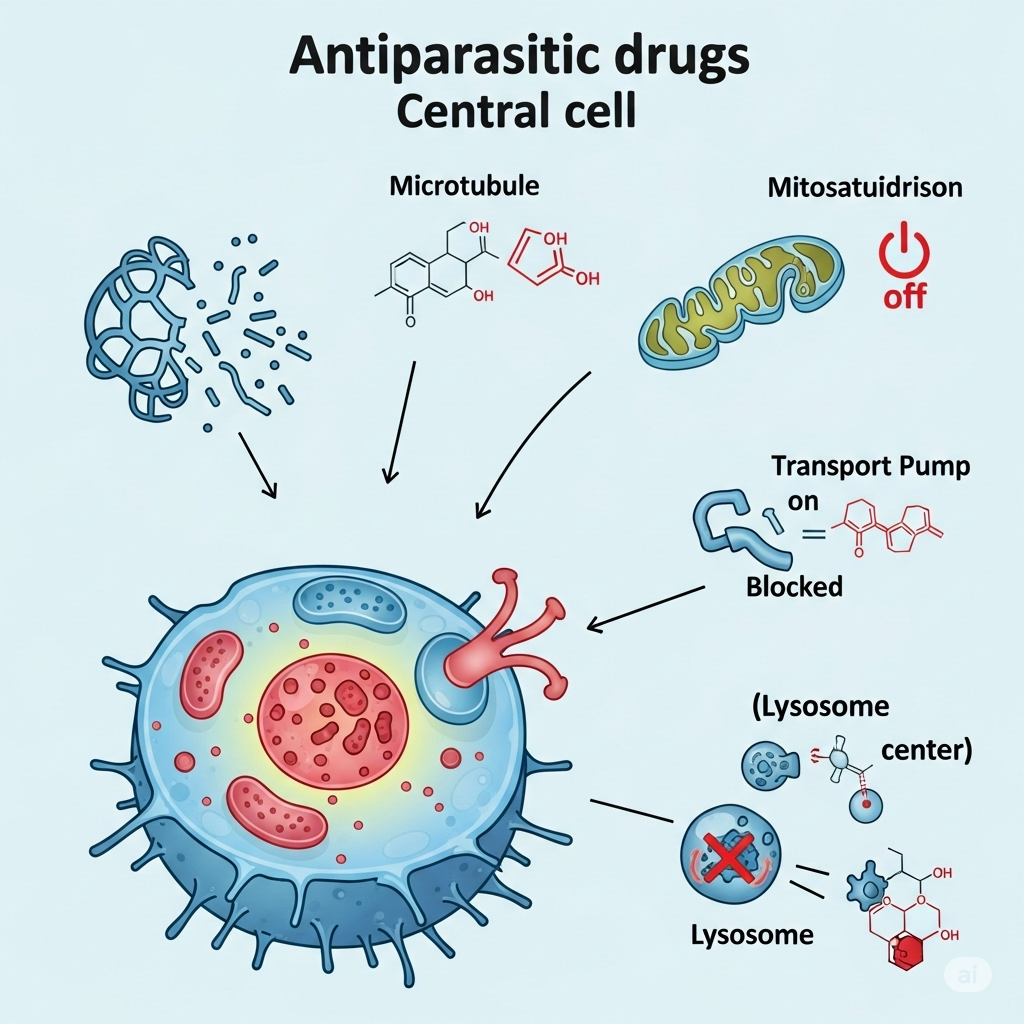
Although several antiparasitic agents are being investigated for their effect against cancer, they work in widely different ways:
Mebendazole:
- Destroys the cancer cell’s internal “skeleton” (microtubules) to stop cell division. Among the drugs mentioned here, it is the one most extensively studied in clinical trials.
Fenbendazole:
- Also destroys the cell’s “skeleton” but is additionally believed to create metabolic stress. It has a strong anecdotal history.
Niclosamide:
- Interrupts the cell’s energy supply while simultaneously blocking its growth signals.
Ivermectin:
- Creates internal stress in the cell and prevents it from pumping out chemotherapy, which can counteract resistance.
Hydroxychloroquine:
- Blocks the cell’s “recycling system” (autophagy), causing it to succumb to its own waste.
The point is that these different mechanisms allow for strategic combinations where cancer can be attacked from multiple angles simultaneously to achieve a stronger effect.
Antiparasitic agents compared
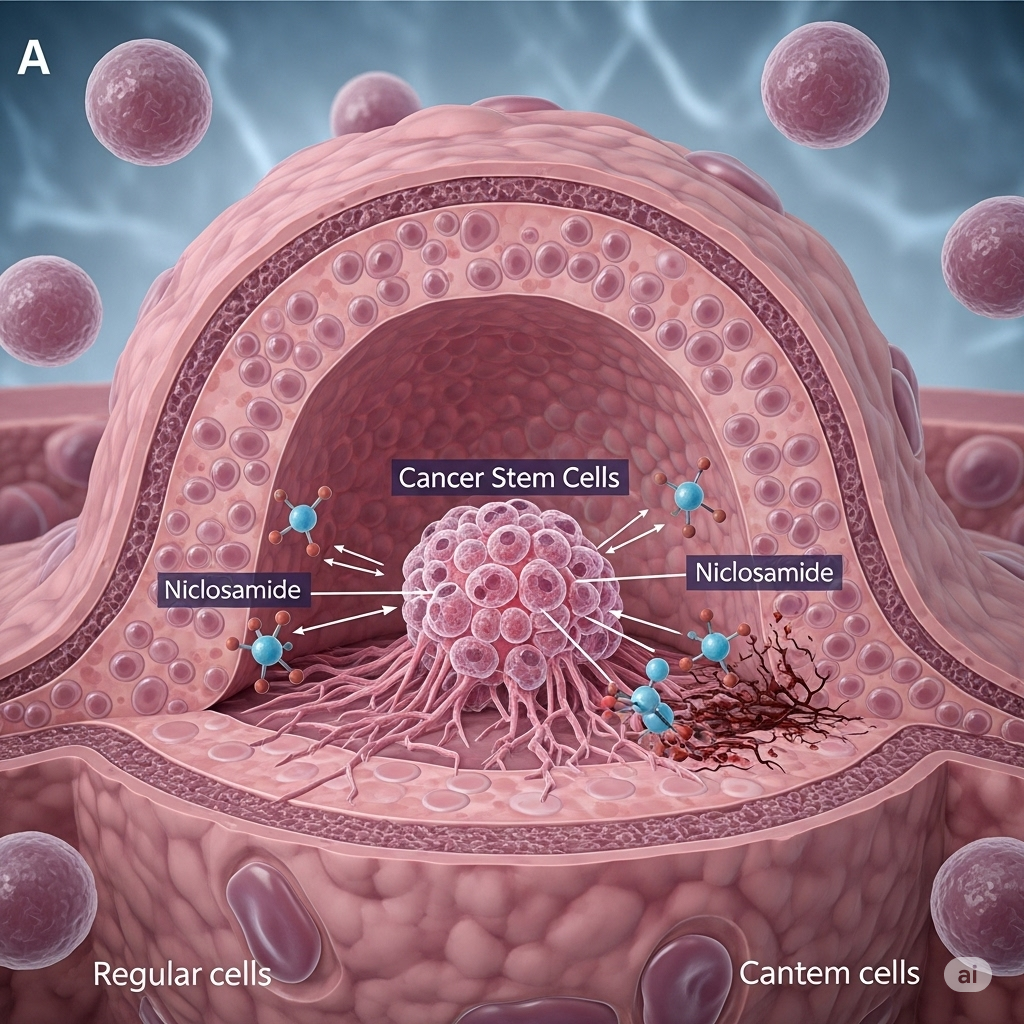
One of the most promising areas within complementary and experimental cancer treatment is repurposed drugs. A particularly interesting group consists of antiparasitic agents. Many of these substances have proven to possess potent anticancer properties, but it is crucial to understand that they do not all work the same way. Their attacks on cancer cells are widely different.
Below is a comparison of the most discussed substances and their unique mechanisms of action to provide a clear overview of their individual strengths and potential.
Mebendazole (Vermox)
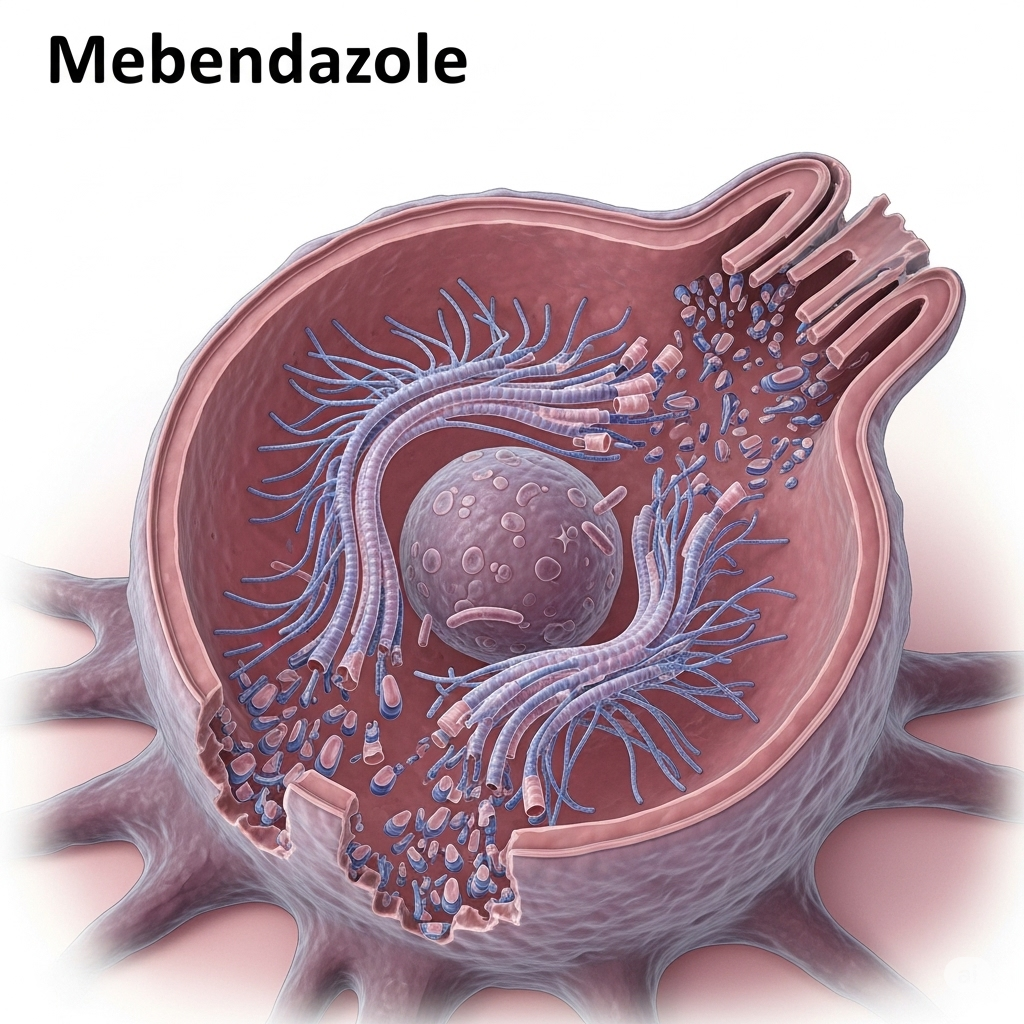
- Main mechanism: Destruction of microtubules (the cell’s scaffolding)
- Mebendazole’s primary and most well-documented effect is a disruption of the cancer cells’ internal skeleton. The substance, which belongs to the benzimidazole family, works by binding to the protein tubulin and preventing it from assembling into microtubules. This effectively stops cell division (mitosis) and leads to cell death. Mebendazole is also the benzimidazole that has been the subject of the most formal clinical investigations, especially in connection with aggressive brain tumors (glioblastoma), where it has been tested as a supplement to standard chemotherapy.
- Characteristics: A direct, physical attack on the cell’s structure. It is the benzimidazole most extensively studied in human clinical trials.
See also links at the bottom of this article
Fenbendazole
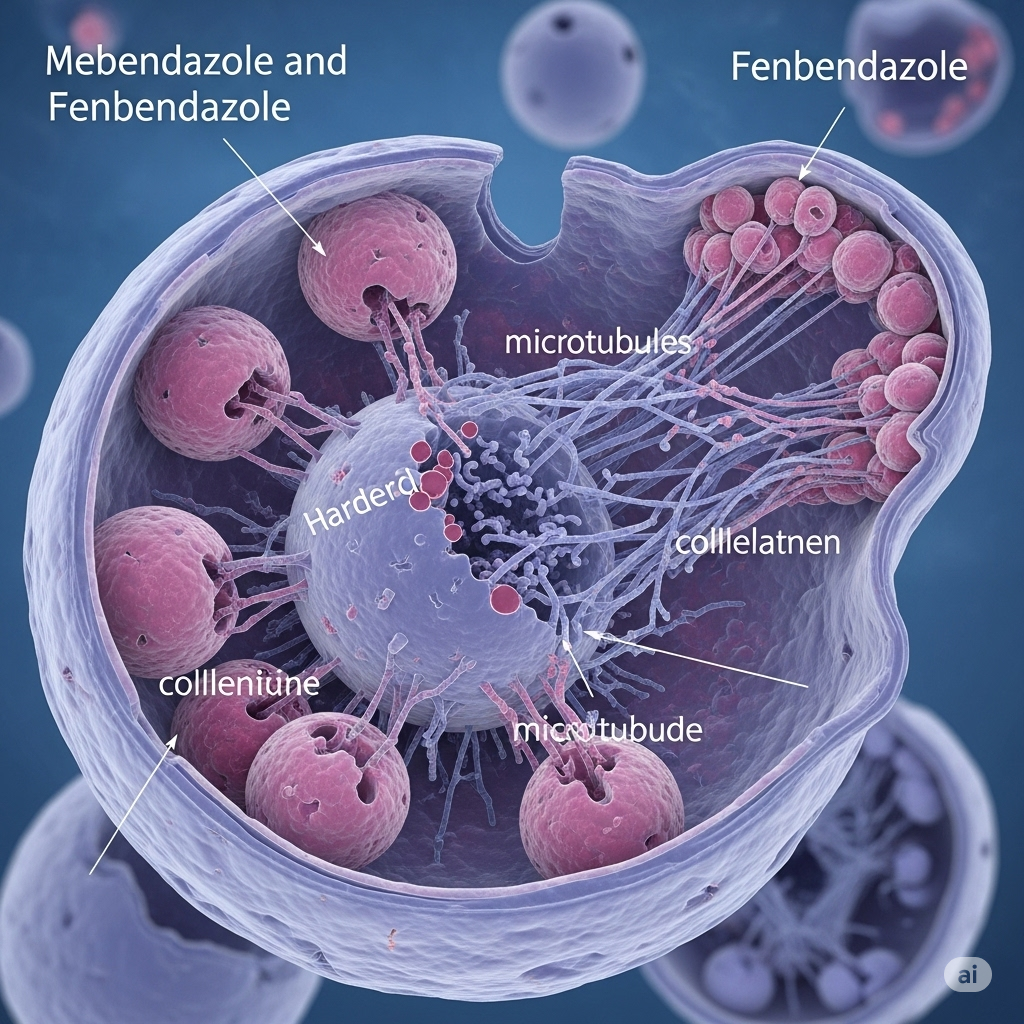
Main mechanism: Destruction of microtubules (the cell’s scaffolding).
- Fenbendazole shares the same core mechanism as mebendazole, namely destroying the cancer cells’ microtubules and thereby stopping cell division. Its popularity, however, is driven more by preclinical studies (laboratory and animal trials) as well as strong patient reports and compelling anecdotal evidence.
Secondary mechanisms:
- In addition to the microtubule effect, research indicates that fenbendazole has a unique ability to stress the metabolism of cancer cells by blocking their sugar uptake. Certain studies also indicate that it can reactivate the tumor-suppressor gene p53.
Characteristics:
- Characterized by having a strong anecdotal history and a research focus on its ability to create metabolic stress.
See also links at the bottom of this article
Niclosamide

Niclosamide takes a completely different approach, which is primarily metabolic and signal-oriented.
Main mechanism: Metabolic collapse (energy blockade)
- Niclosamide acts as an “uncoupler” in the cancer cell’s power plants, the mitochondria. It simply short-circuits the process that produces energy (ATP), leading to an immediate and fatal loss of energy in the cell. Simultaneously, massive oxidative stress is created (via ROS production), further damaging the cell.
Secondary, but crucial mechanism: Signaling sabotage
- Beyond the energy blockade, niclosamide’s great strength is its ability to simultaneously inhibit a wide range of central signaling pathways that cancer cells depend on (Wnt, STAT3, mTOR, NF-κB). This hits not only growth but also the otherwise resilient cancer stem cells.
Characteristics:
- A dual attack that both removes the cell’s fuel and interrupts its internal communication.
See also links at the bottom of this article
Ivermectin
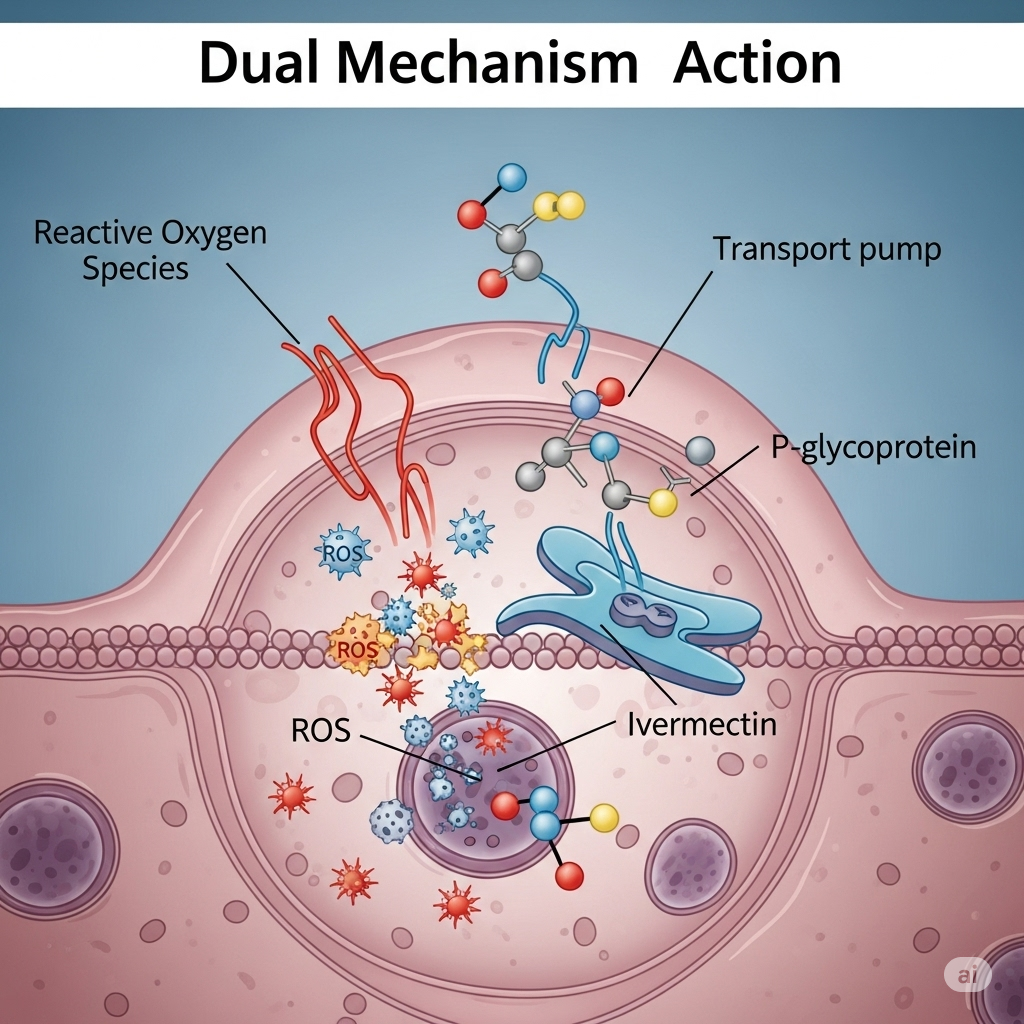
Ivermectin is again different from those mentioned above, working broadly on several systems related to cell stress and transport.
Main mechanism: Induction of oxidative stress and ion imbalance
- Like niclosamide, ivermectin can create high levels of oxidative stress (ROS) that are toxic to the cancer cell. It is also believed to affect ion channels in the cell membrane, disrupting the fragile electrical balance the cell maintains.
Secondary, but crucial mechanism: Inhibition of transport pumps
- One of the main causes of chemoresistance is that cancer cells develop pumps (such as P-glycoprotein) that actively push chemotherapy back out of the cell. Ivermectin has been shown to block these pumps. This means it can make resistant cancer cells sensitive to chemotherapy again, as the poison now remains inside the cell.
Characteristics:
- Creates internal stress and prevents the cancer cell from “pumping” out toxins.
See also links at the bottom of this article
Hydroxychloroquine (Plaquenil)
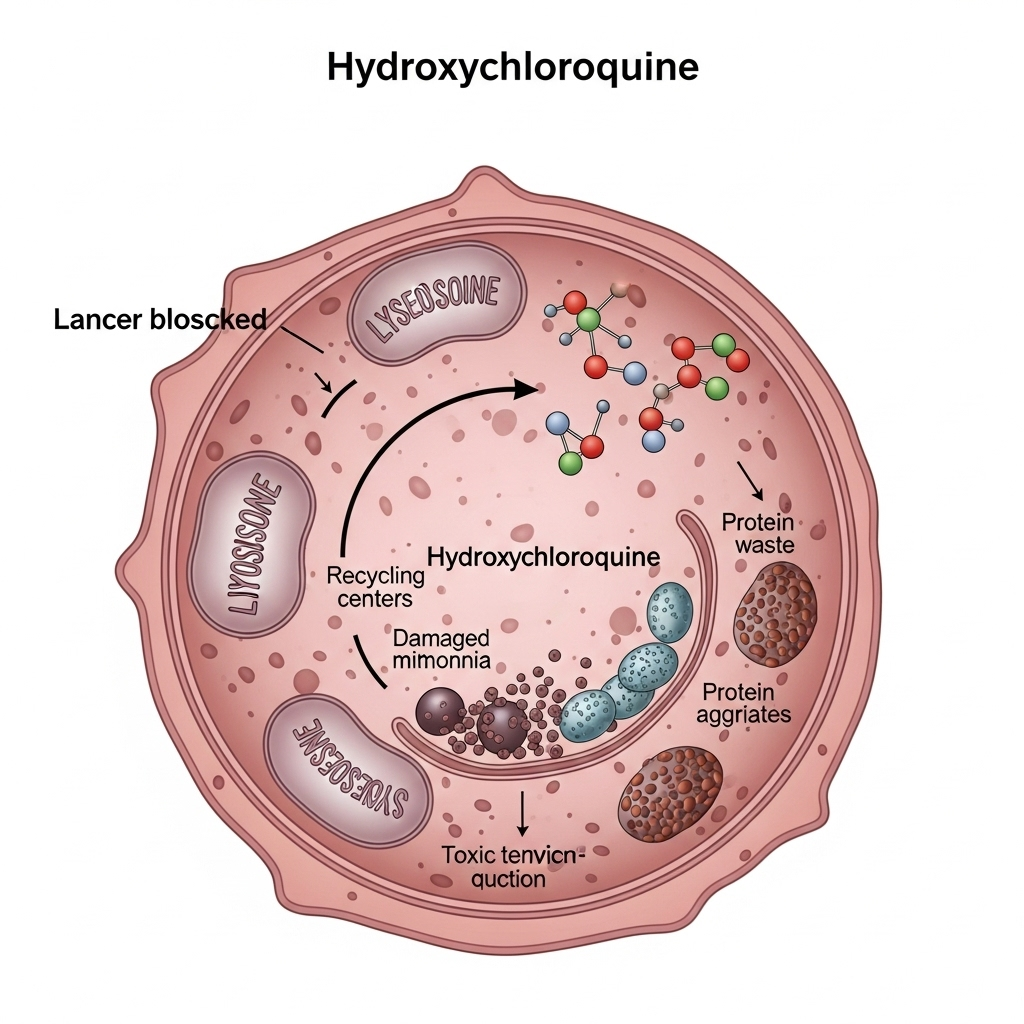
This drug, which is an antimalarial agent, has a very specific and unique mechanism.
Main mechanism: Blocking autophagy (the cell’s recycling station)
- Autophagy is a survival mechanism where the cell breaks down and recycles its own damaged parts to obtain energy and building blocks under pressure (e.g., during chemotherapy). Hydroxychloroquine blocks this process. The result is that the cancer cell cannot “clean up” after itself, leading to an accumulation of toxic waste inside. This makes the cell significantly more vulnerable and can push it toward cell death, especially when it is already stressed by other treatments.
Characteristics:
- Prevents the cancer cell from “eating itself” to survive pressure.
See also links at the bottom of this article
Artemisinin (and derivatives)
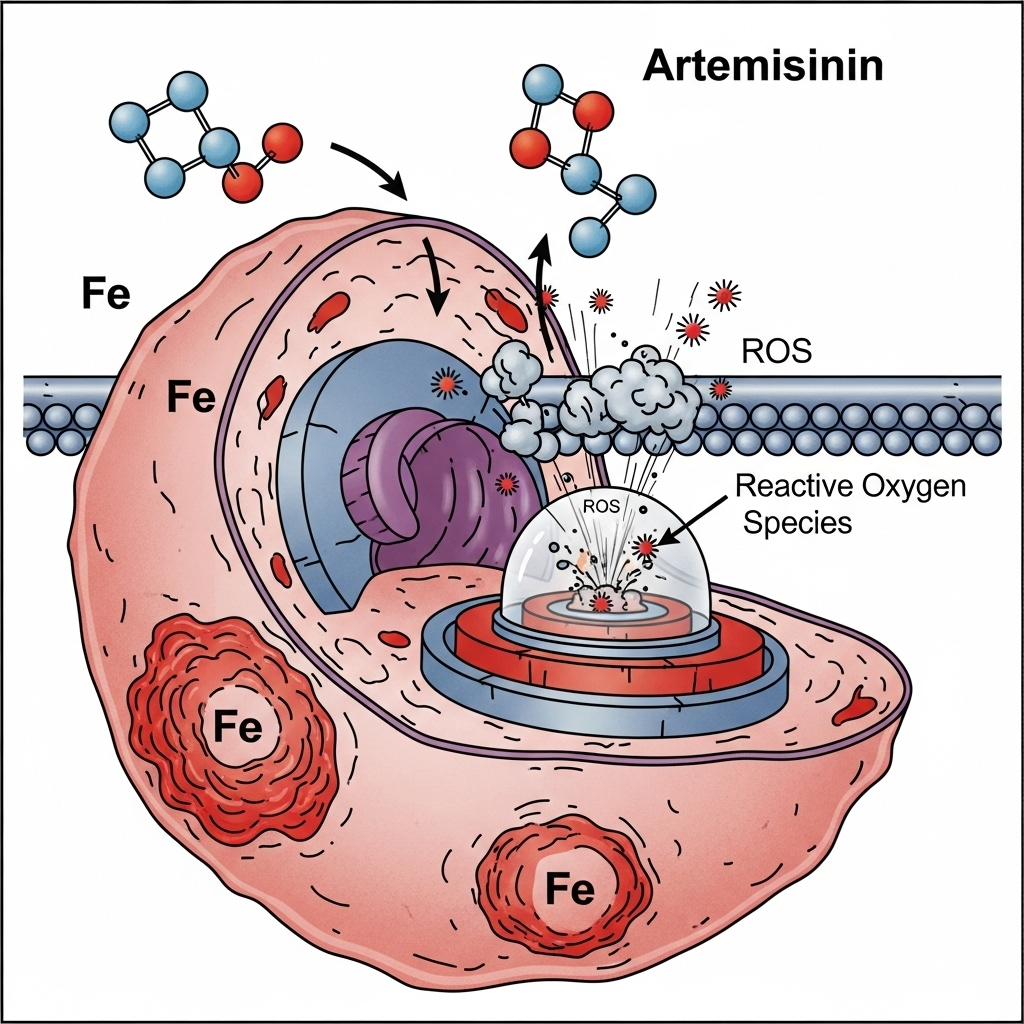
Main mechanism: Iron-activated cell death via free radicals
- Artemisinin, originally a Nobel Prize-winning drug for malaria, has a highly effective and specific mechanism of action. Cancer cells need large amounts of iron to divide rapidly, and they therefore have a much higher concentration of iron than normal, healthy cells. The artemisinin molecule contains a special chemical structure (an endoperoxide bridge) that reacts violently when it comes into contact with iron. This reaction creates an explosion of unstable and highly damaging molecules called free radicals (specifically Reactive Oxygen Species, ROS). This internal “bomb” of oxidative stress destroys the cancer cell’s membranes, proteins, and DNA from within, forcing it into cell death. The process has similarities to a specific type of cell death called ferroptosis (iron-dependent cell death).
Access in Denmark:
- The pure, most potent substance artesunate (a derivative) is a prescription drug in Denmark, while the plant Artemisia annua is typically sold as a dietary supplement.
Characteristics:
- Functions as a “Trojan horse” that exploits the cancer cell’s own iron dependency to create a targeted internal explosion.
See also links at the bottom of this article
Resistance and safety during long-term use
When using repurposed parasitic drugs in an oncological context, critical factors regarding resistance and safety apply to all the mentioned compounds.
Risk of clinical resistance
- Cancer cells are biologically extremely adaptable. While individual clinical observations may suggest a lack of resistance, extensive research documents that cancer cells can develop resistance over time. The most central mechanism is the overexpression of so-called ABC transporters (including P-glycoprotein). These function as molecular pumps that actively remove the drug from the cell’s interior before it can take effect [1, 4]. Continuous exposure without breaks can create a selection pressure, where only the most resistant cancer cells survive and multiply [2].
The importance of monitoring
- Because cancer treatment often requires higher doses or longer durations than a standard parasite treatment, continuous monitoring is essential. This is particularly true for benzimidazoles (such as mebendazole), where long-term use is associated with the risk of drug-induced liver toxicity [3]. Monitoring with blood tests, including liver function tests (ALT/AST), is therefore a necessary safety precaution to ensure that treatment can continue without damaging the organs.
Overview
| Drug | Primary Mechanism of Action | Unique Characteristics |
| Mebendazole | Destruction of microtubules | Attacks the cell’s “skeleton.” Most studied in clinical trials. |
| Fenbendazole | Destruction of microtubules | Attacks the cell’s “skeleton.” Strong anecdotal history. |
| Niclosamide | Metabolic collapse (energy blockade) | Removes cell fuel and sabotages signaling pathways. Poor absorption. |
| Ivermectin | Induction of oxidative stress / Inhibition of pumps | Creates internal stress and counteracts chemoresistance. |
| Hydroxychloroquine | Inhibition of autophagy | Prevents the cell’s “recycling system” from working. |
| Artemisinin (and derivatives) | Iron-activated formation of free radicals (ROS) | Exploits high iron content in cancer cells to create oxidative stress. |
Conclusion
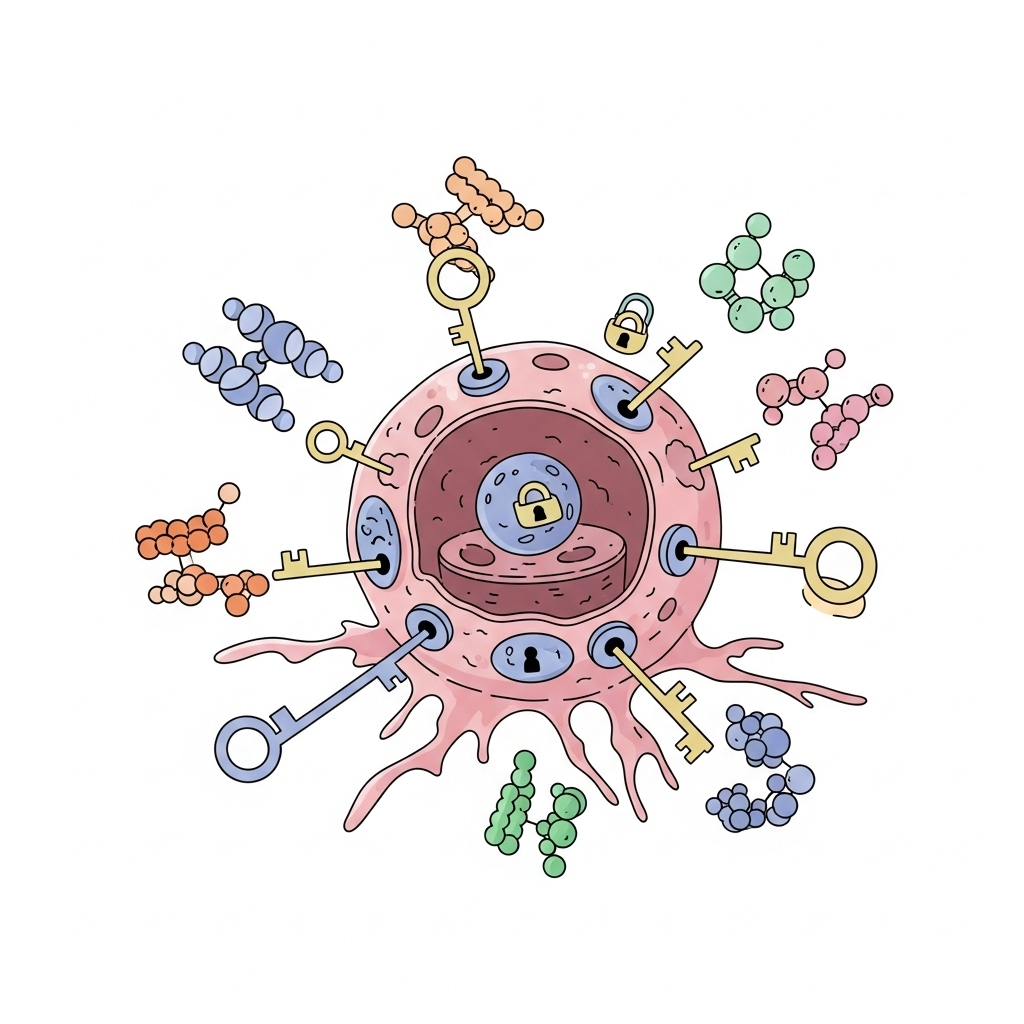
The clear conclusion is that there is no single “antiparasitic” effect against cancer. Each substance represents a unique angle of attack that exploits different vulnerabilities in the cancer cell’s complex machinery. This diversity opens the door for intelligent combination treatments, where a tumor can be hit from several sides simultaneously. In the long run, a deeper understanding of these mechanisms can lead to more tailored treatment, where the choice of a repurposed drug is based on the specific biochemical profile of the individual tumor. The potential lies not in a single “miracle cure,” but in the strategic use of an entire arsenal of different, rediscovered “keys,” each of which can unlock a new door in the cancer cell’s defense.
As these are medications, it is naturally essential to discuss their use with your healthcare provider.
See also Metabolic strategy – block signaling pathways by cancer type – chart overviews
If you are in doubt about interaction, it can be checked here:
See also Repurposed Drugs
See also No medicine – Plan B
Se også The parasite’s path to cancer
Links
Ivermectin:
Ivermectin, a potential anticancer drug derived from an antiparasitic agent (Science Direct, 2021)
- Relevance: This article provides a broad overview of the many proposed anti-cancer mechanisms for ivermectin. It mentions, among other things, the effect on Hippo, Akt/mTOR, and WNT signaling pathways, which supports the drug’s versatility.
The river blindness drug Ivermectin and related macrocyclic lactones inhibit WNT-TCF pathway responses in human cancer (EMBO Molecular Medicine, 2014)
- Relevance: A very specific study confirming that ivermectin is an effective blocker of the WNT signaling pathway, which is a fundamental and often overactive signaling pathway in many cancers, including colorectal and breast cancer.
- Relevance: An animal study shows that the drug ivermectin has a strong anti-cancer effect on non-small cell lung cancer (NSCLC). The study concludes that ivermectin works by blocking the central growth signaling pathway (EGFR/PI3K/AKT/mTOR), leading to increased cell death and inhibited tumor growth.
Ivermectin and Cancer: Exploring the Potential Link (Williams Cancer Institute, 2023)
- Relevance: Ivermectin has potential as a cancer treatment by inhibiting tumor growth, inducing apoptosis, strengthening the immune system, and preventing angiogenesis. These mechanisms may supplement existing therapies, but further clinical research is necessary. Overall, Ivermectin opens new possibilities for the development of innovative cancer treatments.
Ivermectin, a potential anticancer drug derived from an antiparasitic drug (Science Direct, 2021)
- Relevance: Ivermectin, an antiparasitic macrolide, has shown promising potential as a cancer treatment by inhibiting tumor cell proliferation and promoting apoptosis through multiple signaling pathways. This opens possibilities for clinical use of ivermectin as an anti-neoplastic agent. Further research is needed to realize this potential in cancer treatment.
Fenbendazole:
Fenbendazole, Ivermectin and Mebendazole for Breast Cancer Success Stories – 37 Case Reports (The Medical Adviser, June 2025)
- Relevance: Several peer-reviewed articles and case studies suggest that Fenbendazole, Ivermectin, and Mebendazole may play an important role in the treatment of stage 4 breast cancer. Research shows that these substances have different anti-cancer mechanisms that can be effective against cancer cells. Specific studies include a protocol for Ivermectin, as well as investigations of Fenbendazole and Mebendazole in relation to breast cancer and metastases.
- Relevance: Fenbendazole can kill both common cancer cells and the difficult cancer stem cells in cervical cancer by disrupting the cells’ growth cycle. It stopped tumor growth in animal models without weight loss, in contrast to chemotherapy, and resulted in full survival in those treated. These results make fenbendazole a promising treatment choice against cervical cancer.
Transcriptome analysis reveals the anticancer effects of fenbendazole on ovarian cancer: an in vitro and in vivo study (PubMed, 2024)
- Relevance: Fenbendazole can inhibit the growth and promote the death of ovarian cancer cells by disrupting the cell cycle and causing mitotic catastrophe. It was also shown to reduce tumor growth in mice, suggesting it could become a promising treatment for ovarian cancer. These results open possibilities for new therapies against this serious disease.
Mebendazole:
Albendazole and Mebendazole as Anti-Parasitic and Anti-Cancer Agents: an Update (PubMed, 2021)
- Relevance: Albendazole and mebendazole are broad-spectrum deworming medications that block microtubules and have shown promising anti-cancer effects in vitro and in vivo. They can be used against parasitic infections and potentially as cancer treatment, but long-term use can cause side effects like liver damage. Mebendazole is currently more popular in cancer trials due to albendazole’s toxicity.
- Relevance: Mebendazole and paclitaxel have a synergistic effect on inhibiting proliferation and microtubular structures in oral tongue squamous cell carcinoma (OTSCC) by inhibiting the PI3K/AKT signaling pathway. The combination increases apoptosis markers and may be a promising treatment for OTSCC. Further research is needed to confirm their clinical potential.
In vitro evaluation of lipidic nanocarriers for mebendazole delivery to improve anticancer activity (PubMed, 2024)
- Relevance: Mebendazole nanostructures (MBZ-NLCs) are stable and contain a larger portion of the active substance than standard forms. They are ten times more effective against cancer cells and can prevent the movement of cancer cells in laboratory experiments. The results suggest that mebendazole nanostructures could become a good treatment for lung cancer, but more tests in the body are needed.
Plaquenil:
- Relevance: A new study shows that the substance 2-BFI (an imidazoline I2-receptor agonist) significantly enhances the cell-killing effect of the autophagy inhibitor hydroxychloroquine (HCQ) against colorectal cancer cells. The combination works by creating increased oxidative stress and disrupting cancer cell metabolism and survival mechanisms.
Malaria Drug Could Combat Chemotherapy-Resistant Head and Neck Cancers (UPMC, 2022)
- Relevance: This is an easy-to-understand summary of a study that shows a concrete example of how hydroxychloroquine is used to overcome chemo-resistance. It explains how the substance can “re-sensitize” cancer cells so that chemotherapy works again.
Repurposing Drugs in Oncology (ReDO)—chloroquine and hydroxychloroquine as anti-cancer agents (PubMed, 2017)
- Relevance: Chloroquine (CQ) and hydroxychloroquine (HCQ) have potential as anti-cancer treatment, especially in combination with standard therapies. They affect both cancer cells and the tumor microenvironment through autophagy inhibition and modulation of signaling pathways such as p53 and CXCR4-CXCL12. Further clinical studies are necessary to optimize dosing and treatment regimens.
Niclosamide:
- Relevance: This study identified 35 genes, including CDK1 and TTK, as important targets in ovarian cancer, which often develops resistance to treatment. NSC765690 (MCC22) was found to be a promising niclosamide analog with strong activity against both targets, which may help overcome chemotherapy resistance. The results show a data-driven approach to developing new therapies for ovarian cancer.
Niclosamide Treatment Suppressed Metastatic, Apoptotic, and Proliferative Characteristics of MDA-MB-231 Cancer Stem Cells (PubMed, 2025)
- Relevance: This study showed that niclosamide effectively induces apoptosis and stops the cell cycle in aggressive triple-negative breast cancer-CSCs in a 3D model. The treatment reduced metastasis- and resistance-related genes as well as EMT markers, which may improve treatment effectiveness against cancer. The results suggest that niclosamide can increase CSC sensitivity and prevent tumor recurrence.
Pharmacological advances and therapeutic applications of niclosamide in cancer and other diseases (PubMed, 2025)
- Relevance: Niclosamide is an FDA-approved drug with potential in cancer treatment, especially against resistant ovarian cancer, by modulating cell proliferation and apoptosis. New formulations and nanotechnology improve bioavailability, strengthening its therapeutic possibilities. It shows promising versatility in the treatment of cancer, viral infection, and inflammatory diseases.
- Relevance: NHC, an improved form of niclosamide, shows increased solubility and potential as a treatment for colon cancer. The analysis confirms that NHC is more effective than NES, and metabolomics as well as 16S rRNA investigate its mechanism. This may open new possibilities for niclosamide-based cancer treatment.
Antitumor activity of niclosamide-mediated oxidative stress against acute lymphoblastic leukemia (PubMed, 2024)
- Relevance: Niclosamide was shown to be able to inhibit growth and induce apoptosis in acute lymphoblastic leukemia (ALL) by increasing reactive oxygen species and activating TP53. It has potential as a new treatment to improve response and extend survival in ALL patients. These results indicate that niclosamide could become a promising therapeutic agent against ALL.
In General:
Targeting the Mitochondrial-Stem Cell Connection in Cancer Treatment: A Hybrid Orthomolecular Protocol (Journal of Orthomolecular Medicine)
Interactions (search for preparations) (Interaktionsdatabasen, Danish Medicines Agency)
Resistens og monitorering
[1] The emerging roles of ATP-binding cassette transporters in cancer multidrug resistance (ScienceDirect, 2025)
- Content: A fully updated review of how ABC transporters function as pumps that create resistance in cancer cells. The article describes the challenges of overcoming this mechanism to ensure effective drug delivery.
[2] Repurposing Drugs in Oncology (ReDO)—A project to find new uses for old drugs (ecancer, 2014)
- Content: A comprehensive article series reviewing the need for monitoring and the theoretical risks of resistance when moving drugs from short-term use to long-term cancer treatment.
[3] Albendazole and Mebendazole as Anti-Parasitic and Anti-Cancer Agents: an Update (PubMed, 2021)
- Content: An article based on a review of benzimidazoles (mebendazole and albendazole). It describes their anti-cancer effects but explicitly states that long-term use can cause side effects such as liver damage.
[4] Revisiting the role of ABC transporters in multidrug-resistant cancer (PubMed, 2018)
- Content: A scientific article documenting how the overexpression of ABC transporters (especially P-glycoprotein) in cancer cells is a major cause of multidrug resistance. The study demonstrates that these pumps effectively remove drugs from cells, thereby blocking their efficacy.
Page created: July 1, 2024, Last revised July 28, 2026
❤
What you read on Jeg har Kræft is not a recommendation. Seek competent guidance.
