


Complementary and Alternative Treatments Overview

Bone Metastases – Alternative Options
Summary of Bone Metastases – Alternative Options
A New Perspective:
- The fact that the conventional system has no further treatments to offer does not mean that the options are exhausted, as the body possesses an enormous innate ability to heal itself.
Metabolic Oncology and Blocking:
- Repurposed drugs and strict dietary protocols can block cancer cells’ energy supply and deprive them of the fuel they need to break down bone tissue.
Immunotherapy:
- Advanced cell therapies abroad can reprogram the patient’s own immune system to target and kill cancer cells in the bones.
Radical Remission and Placebo:
- Massive lifestyle changes, targeted supplements, and the mind’s unshakable conviction create measurable biological processes that alter the body’s microenvironment and enable unexpected healing.
Paradigm Shift in Approach

When you receive the news that the cancer has spread and that the established system no longer has curative treatments to offer, it can feel like an insurmountable wall.
But it is crucial to understand that this message solely reflects the limitations of conventional standard protocols. It is by no means a final verdict on the body’s ability to survive.
For a steadily growing number of patients, this message becomes the starting point for a profound and life-changing journey. The body is a fantastic, dynamic organism that possesses a formidable ability to regenerate (rebuild and repair itself) when given the absolute best conditions. Today, there exists a massive and well-documented field of alternative, complementary, and experimental treatment methods that offer a highly justified hope. By taking ownership of their own health and exploring the many paths practiced both in Denmark and internationally, many patients create an internal environment where cancer cells simply can no longer thrive.
In connection with reading this article, you should keep in mind that no large, controlled, randomized, double-blind trials have been conducted with the mentioned approaches. Unfortunately, the main reason is likely that there is absolutely no interest from Big Pharma’s perspective. And it is they who control the flow of funds to research. The Cancer Society has the economy, but they are not enthusiastic about alternative treatments. So no help to be found there.
I am not a doctor and cannot prescribe. But I am allowed to point to some possibilities that I see as obvious in a situation like the one described here.
The fact is that if you ask Google or AI, you will not get any help with alternative measures. It is a simple question of the coding.
Therefore, you will find here the necessary information and inspiration for attempts to reverse the situation. I wish you all the best.
Read more about how Gemini determines what we are allowed to know here: Gemini Censors
Alternative Paths to Healing

The alternative treatment landscape is vast, and it is largely based on an understanding of cancer as a systemic imbalance in the body rather than just a localized node to be removed.
Various studies, including the use of integrated heat treatment [6], such as Hyperthermia Therapy, show that the effect of treatment can be drastically improved by combining different methods and thinking much broader than usual. Below are some of the most promising and well-documented approaches that actively change the course for people with spread to the skeletal system and offer real actionable options in an otherwise difficult situation.
See also Hyperthermia Therapy
See also Magnetic Hyperthermia
Repurposed Drugs and Metabolic Oncology

One of the strongest and fastest-growing fields within alternative cancer treatment is metabolic oncology (cancer treatment based on changing cellular energy metabolism). Cancer cells have a defective metabolism and are strongly dependent on huge amounts of glucose (sugar) and glutamine (a specific amino acid) to survive, divide, and hollow out bone tissue.
Here, repurposed drugs (reused medications: known drugs approved for other diseases) come into play. Holistic doctors and foreign clinics use preparations such as metformin (diabetes medication) and mebendazole (an antiparasitic agent) to target cancer cells’ absolute Achilles’ heel. A systematic review of randomized Phase 2 and Phase 3 trials [7] and preclinical observations [8] supports how these preparations in practice work as strong metabolic blockers. They cut off cancer cells from their fuel, making it extremely difficult for them to maintain their growth.
See also Repurposed Drugs
See also Holistic Doctors DK
Metabolic Blocking of Cancer Cells

For cancer cells to establish and spread in bone tissue, they require a specific, supportive microenvironment and free access to nutrients. Metabolic blocking is about actively changing the body’s internal environment so that this access is completely shut down.
By implementing a strict diet, as studied in clinical Phase 1 and 2 trials [11], cancer cells are deprived of their primary energy source, glucose. This forces the body to switch to fat burning, which healthy cells thrive on, but cancer cells have an extremely difficult time utilizing.
This form of blocking is further supported by specific medications (as mentioned above). Preclinical trials [1] show, for example, how metformin directs a direct block of cancer cells’ ability to break down and invade bone tissue.
Similarly, analyses of observational studies [3] show that common cholesterol-lowering statins can effectively intervene in cells’ signaling pathways and drastically reduce the risk of cancer spreading further in the skeletal system.
See also Metabolic Strategy – Block Signal Pathways by Cancer Type
Advanced Cell Therapy Abroad
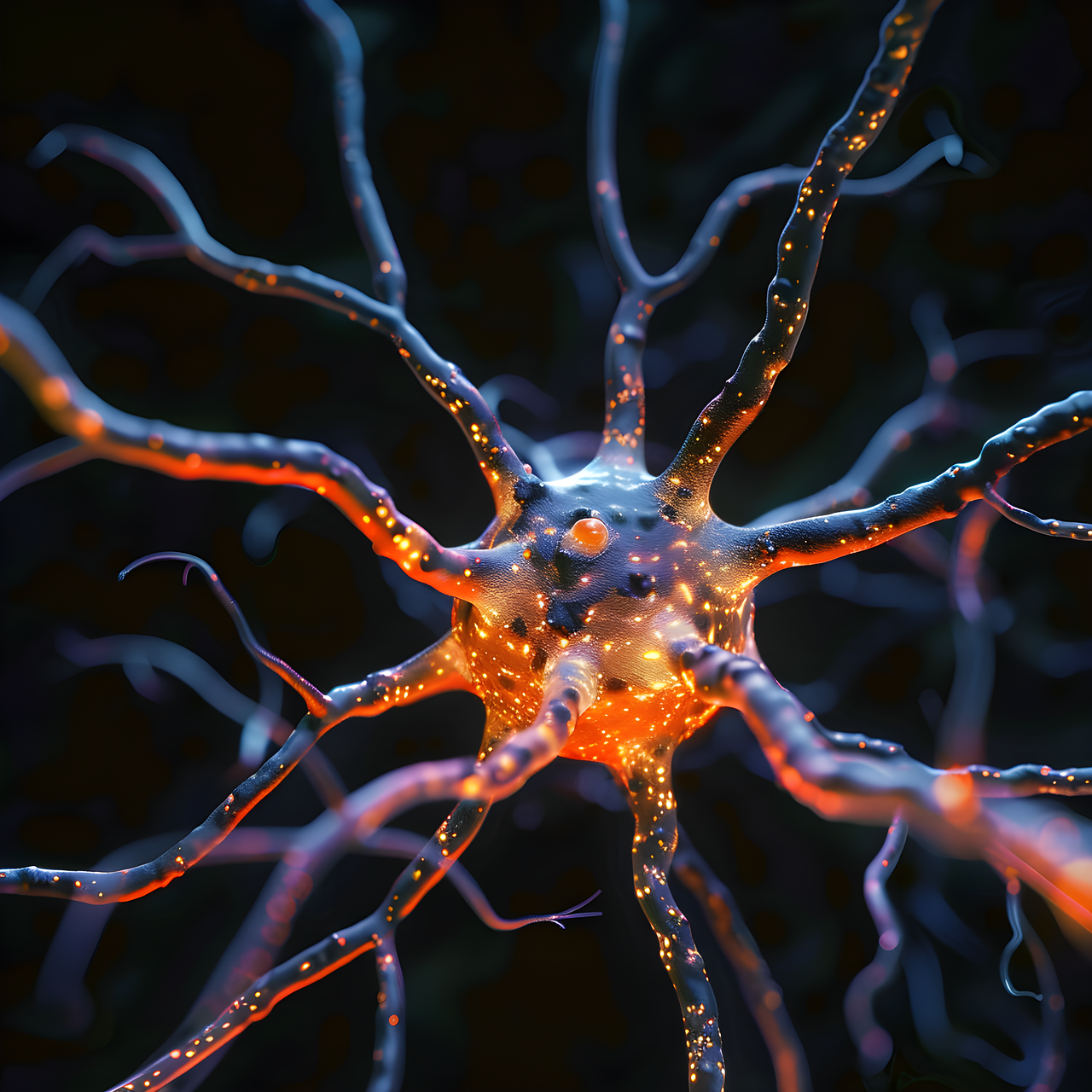
The conventional system often focuses on attacking the tumor itself with chemotherapy or radiation, which inevitably breaks down the patient’s own immune system in the process.
In stark contrast to this are advanced cell therapies offered at recognized private clinics in countries such as Germany, Japan, and the USA. Here, the philosophy is that the ultimate weapon against cancer is the body’s own highly intelligent immune system.
One of the most notable treatments is [Dendritic Cell Vaccines](http://Dendrit Celleterapi), whose effect is documented in Phase 1 and Phase 2 studies [12]. Here, the patient’s own white blood cells are extracted and cultured in a laboratory, where they are presented with proteins from the patient’s own cancer node. When these top-trained cells are injected back into the body, they function as “generals” that effectively direct the immune system’s killer cells directly against metastases in the bones.
At the same time, NK cell therapy (Natural Killer cells) is used, as highlighted in Phase 1 and 2 studies [13]. These innate killer cells are trained to give the immune system a decisive and aggressive upper hand in the fight to make the bones cancer-free.
See also Dendritic Cell Therapy
See also Praxisgemeinschaft für Zelltherapie, Duderstadt
The Importance of Connective Tissue in Spread
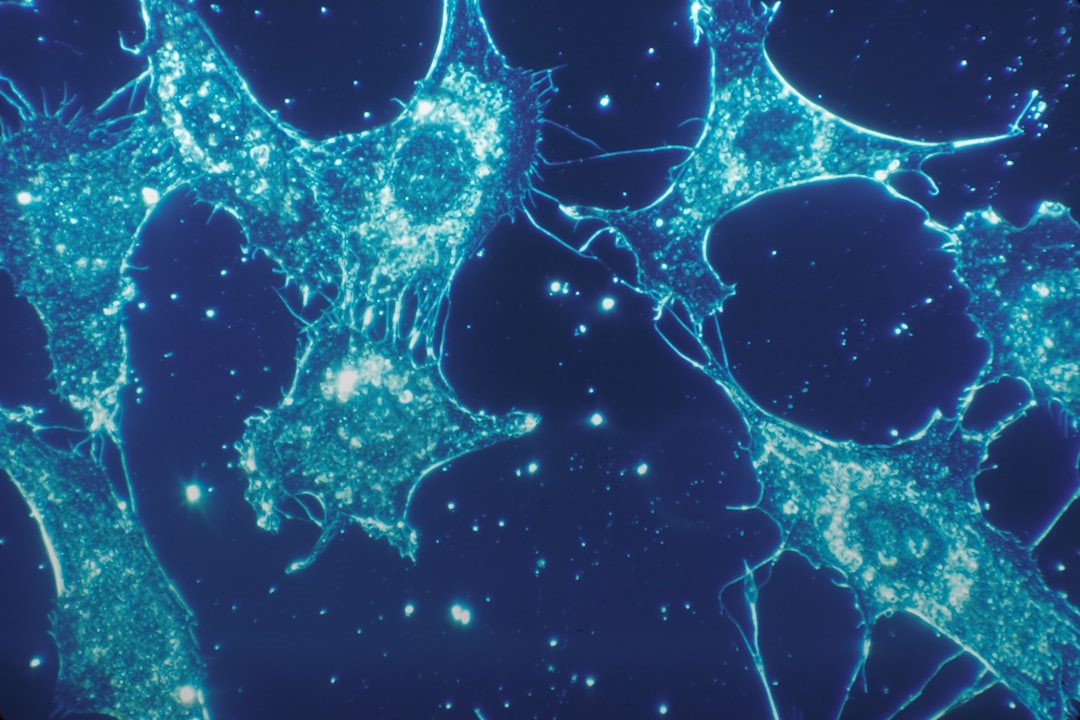
While the established system primarily focuses on destroying cancer cells, the body’s most basic physical defense against further tissue breakdown is often overlooked: the connective tissue (extracellular matrix).
When metastases have already established themselves in the bones, they are dependent on constantly secreting aggressive MMP enzymes that literally cut the surrounding collagen into pieces to be able to expand and break down more tissue – here, bone tissue. Within cellular medicine, which forms the scientific basis for the Rath Protocol, the strategy is instead to limit and encapsulate the disease where it is.
As highlighted in the scientific review of MMP inhibitors [18], it is possible to block this unfortunate degradation mechanism radically. Through a synergistic combination of high doses of Vitamin C (oral) in combination with the amino acids L-Lysine and L-Proline, these can suppress the enzyme that enables cancer growth and strengthen the collagen structure around the lesions. The amino acids block the enzyme receptors and function as the tissue’s building blocks, while vitamin C is the cement.
At the same time, it is crucial to add EGCG (extract from green tea), which in preclinical trials [19] has been shown to act as a biological “lock” that deactivates metastases’ ability to invade adjacent healthy bone tissue.
Research data on the synergistic effect shows that these micronutrients together form an impenetrable wall that physically cuts off bone metastases from eating further into the bones and instead forces them to isolate themselves. Read more about this here: Dr. Rath’s Protocol (Cellular Medicine) – which directly addresses this issue.
Metabolic Optimization and Biological Data Hacking
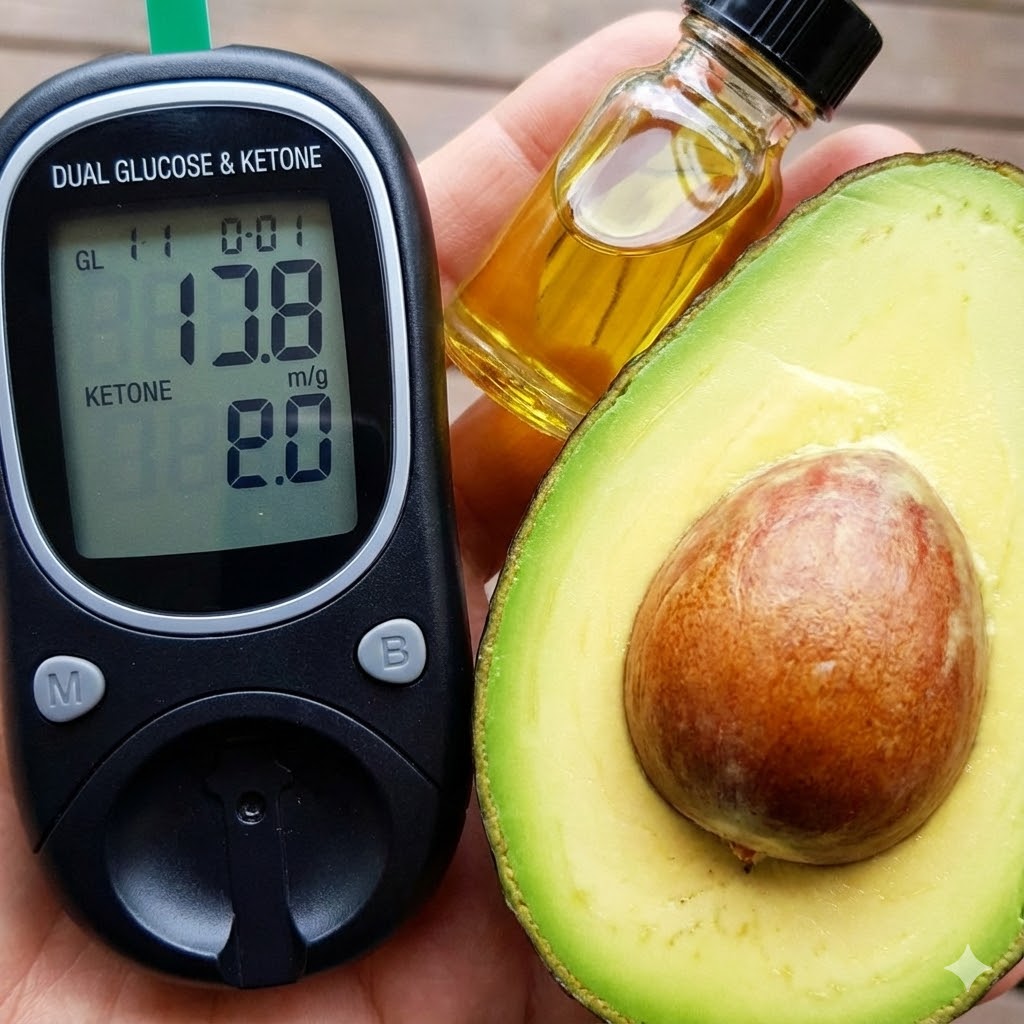
While traditional cancer treatment rarely gives a thought to the patient’s metabolism, the data-driven part of the alternative field works purposefully to change the body’s internal environment. When Misha Sakharoff himself was diagnosed with aggressive bone marrow cancer (multiple myeloma), he used his background as an engineer to analyze the body’s data and identify the biological mechanisms that had broken down. Through this systematic approach, he developed a method that focuses on bringing the body into a deep, therapeutic ketosis, which is strictly measured via the so-called GKI index (Glucose Ketone Index) to limit the energy basis for sick cells [20].
This metabolic intervention form is combined with advanced Buteyko breathing training to radically raise oxygen levels all the way out in the tissue and thereby suppress the inflammatory processes that otherwise help to weaken the bone structure. This stringent lifestyle change is supported by preclinical trials in metabolic cancer treatment, which show that aggressive cell changes thrive poorly in an oxygen-rich and glucose-poor environment. The approach is ideal for the structured patient who wants full control over their own measurements and is ready to make a dedicated, daily effort with diet and breathing to change the body’s fundamental chemistry.
See also Misha Sakharoff (The Engineer)
See also Buteyko Breathing
Radical Remission and the Power of Conscious Choices

There are thousands of well-documented cases of patients who have become completely healthy despite an incurable prognosis in the established system.
The qualitative study Spontaneous/Radical Remission of Cancer: Transpersonal Results from a Grounded Theory Study [9] puts a system to such courses and reveals that survivors have consciously made a number of very specific choices.
In addition to radical dietary changes and work to release suppressed emotions, it often involves taking powerful, targeted supplements that change the body’s biology. This includes high doses of IV Vitamin C, studied in Phase 1 and 2 trials [15], and strong doses of Vitamin D (can be overdosed), which in clinical Phase 2 and 3 trials such as Vitamin D and its impact on bone metastasis and survival in cancer patients [4] has been shown to protect the bone microenvironment directly against invasion.
At the same time, preclinical trials show that the sleep hormone Melatonin [5] and turmeric extract [2] effectively suppress the enzymes that cancer cells use to break down the bones. These choices collectively prove that the patient’s own effort can dramatically change the course of the disease.
See also Keys to Spontaneous Healing
The Mind’s Ability to Change the Body’s Biology

An often overlooked but incredibly potent factor in healing is the direct connection between the mind and the body. Within the established system, the placebo effect is typically dismissed as imagination, but in alternative research, it is recognized as one of the body’s absolute strongest biological tools. That one can disregard this is a mystery to me, as it is an undisputed factor in all research that this factor must be taken seriously. It is surprisingly strong!
As reviewed in the scientific article The Placebo Effect in Oncology [14], creating an unshakable belief in healing triggers a cascade of real, physical reactions. The mind’s conviction releases specific neuropeptides (chemical messengers in the brain) and beneficial hormones that travel through the bloodstream and boost the immune system’s cells.
This phenomenon is further supported by the research in the review article The spontaneous remission of cancer: Current insights and therapeutic significance [10], which describes how the body biologically can eliminate cancer cells without conventional medicine. Through dedicated meditation, hypnosis, and visualization (where one mentally sees their bone metastases being crushed), patients can demonstrably change the local microenvironment in bone tissue and create a body chemistry that actively and aggressively supports healing.
See also Placebo and Nocebo Effect
Read about cancer survivors telling their stories here: Julia Nightingale (you can find more in the black top menu)
Calcium supplements for bone metastases

Risk of elevated calcium in the blood
Many bone metastases actively break down bone tissue (osteolytic). During this breakdown, the calcium already present in the bones is released directly into the bloodstream. As a result, you often already have an elevated level of calcium in the blood (hypercalcemia). If you uncritically take additional calcium tablets in this condition, it can worsen the hypercalcemia and lead to serious health complications.
Interaction with vitamin D and vitamin K2
When you have excess calcium in the bloodstream due to bone breakdown, the interaction between vitamins becomes highly crucial. Vitamin D helps the body utilize the available calcium, while vitamin K2 acts as the mechanism that collects the calcium from the blood and directs it back into the bones. This supports the rebuilding of the broken-down tissue and prevents the calcium from being inappropriately deposited in the blood vessels instead.
Conventional medicine
If you receive conventional bone-strengthening medicine, such as bisphosphonates or denosumab, the conditions change significantly. This type of medicine blocks bone breakdown and thereby forces the calcium level in the blood drastically down to protect the bones. In these cases, the doctor will always prescribe specific amounts of calcium and vitamin D as a fixed and necessary part of the treatment to avoid a calcium level that is too low.
Physical activity with bone metastases

Benefits of exercise
Even if you have metastases in the bones, physical activity remains absolutely crucial for the body. Bones are living tissue that is stimulated to maintain its density and strength when exposed to physical stress. At the same time, a strong musculature acts as an inner corset that stabilizes and protects weakened bones. Maintaining muscle mass reduces the direct mechanical load on the skeleton itself and can thus help to reduce pain.
Safe movement and load
Because bones with metastases are more fragile than normal, they have a significantly increased risk of fracture. Training must therefore be individually adapted to be safe. Activities with hard impacts, jumping, heavy lifting, or a high risk of falling should be avoided. Instead, gentle, controlled activities such as calm walking, light strength training in machines, and specific balance exercises are recommended. It is crucial to have an individual training program developed in collaboration with a specialized physiotherapist who knows the exact location of the current metastases.
See also Movement with limitations
See also Cancer-specific training
Cancer Survivor Stories

There is always something reassuring and life-affirming about reading stories from others who have walked the path – and made it through the ordeals.
Therefore, here are a few of these.
- Vicki Haylock (Radical Remission, Renewal Coaching, undated)
- Content: A personal account from a patient who achieved stabilization and improvement of Stage 4 breast cancer with widespread bone and lung metastases. The text describes her integrated treatment course, which specifically combines conventional treatment with repurposed drugs via the metabolic “How to Starve Cancer” protocol and the principles of radical remission.
- My Story (Kris Carr’s website, KrisCarr.com)
- Content: Kris Carr was diagnosed with a rare and “incurable” form of cancer in the liver and lungs (epithelioid hemangioendothelioma) at a young age. Instead of accepting her prognosis, she began a journey to radically transform her lifestyle. Through a plant-based diet, detoxification, and a strong mental focus, she has lived and thrived with her cancer for over 20 years. She is the author of several books, including Crazy Sexy Diet and Crazy Sexy Cancer Tips.
- Positive stories about bone mets! (Breast Cancer Now forum)
- Content: A forum thread where breast cancer patients with bone metastases share personal and positive stories about living with these. The focus is on maintaining hope, quality of life, and a strong attitude despite recurrences.
- Sue’s story: Alleviating chronic pain from secondary bone metastases cancer (UK Medical Cannabis Clinicians Society, undated)
- Content: A story about Sue, who developed spread to the spine and pelvis after breast cancer. The article describes how she has rejected traditional pain medication to protect her liver and instead uses CBD oil to relieve chronic bone pain and maintain her ability to take long walks.
- Just Breathe: Learning to Live With Bone Mets (Canadian Cancer Survivor Network)
- Content: A personal account by Eileen Dahl, who describes her life with bone metastases. The article describes her management of the disease, including how she stays active with over 9,000 steps daily and is mainly pain-managed with over-the-counter medication.
- Stomach Cancer with Bone Metastasis: Suzanne Ottinger’s Story (Hope for Stomach Cancer, 2022)
- Content: A personal account of Suzanne, who at age 51 was diagnosed with Stage 4 stomach cancer with spread to the bones. The article describes her demanding treatment course with chemo and immunotherapy, management of severe side effects, and how she now lives an active and hopeful life after the primary tumor disappeared.
- Paul Upperman – Prostate Cancer Survivor (Patient Stories, RT Answers, undated)
- Content: An article about Paul Upperman, who was diagnosed with Stage 4 prostate cancer with spread to the spine, shoulders, hips, and knees. Through testosterone-suppressing treatment and bone-building injections, the disease was stabilized, which allowed him to continue with his work and music.
- Importance of Healthy Living with Bone Metastasis (Susan G. Komen, undated)
- Content: A podcast and text about Lauren Huffmaster, who was diagnosed with bone metastases even before her Stage 3 breast cancer treatment was completed. After more than seven years in treatment for Stage 4 cancer, she founded an association that creates positive experiences for cancer-affected families.
Conclusion

Receiving a message that the conventional treatment system no longer offers healing possibilities marks the end of one path, but it can and should simultaneously be the beginning of another and deeply meaningful journey.
The enormous and growing field of alternative options – from metabolic starvation and blocking of cancer cells via repurposed drugs and diet, to advanced cell therapy abroad and the powerful principles behind radical remission – clearly shows that the body never loses its inherent ability to fight for life.
By actively participating in treatment, possibly seeking knowledge beyond the country’s borders, and nurturing a deep and well-founded belief in healing, many patients regain power over their own lives.
There is an unshakable hope and a solid foundation of actionable options for those who dare to tread new paths and actively create the optimal conditions for the body’s own healing forces.
Appendix

Causes of Bone Metastases
The cause of bone metastases is that cancer cells detach from the primary tumor and travel through the body’s circulatory systems. These cells often settle in areas with a rich blood supply, which is why bone marrow is a common destination.
Particularly cancer types such as breast cancer, prostate cancer, lung cancer, kidney cancer, and thyroid cancer have a tendency to spread to the bones.
Symptoms of Bone Metastases
Symptoms can vary greatly depending on which bones are affected and how advanced the condition is. It is crucial to listen to the body’s signals, as early intervention can significantly improve quality of life.
- Bone and joint pain: This is often the first and most notable symptom. The pain is typically described as deep and boring, and it tends to worsen at night or with physical activity.
- Bone fractures: Because cancer cells break down bone structure, bones become weak and porous. This can lead to fractures even with very minor stresses (pathological fractures: bone fractures caused by disease rather than trauma).
- Neurological challenges: If metastases are in the spine, they can press on the spinal cord or nerve roots (spinal cord compression: pressure on the spinal cord). This can cause numbness, tingling, or reduced muscle strength in the legs or arms.
- Elevated calcium in the blood: When bone tissue breaks down, large amounts of calcium are released into the blood (hypercalcemia: elevated calcium in the blood). This can manifest as pronounced fatigue, nausea, constipation, frequent urination, and in severe cases, confusion.
Diagnosis
To make a precise diagnosis and map the extent of the disease, several different examinations are used that provide an in-depth picture of the bones’ condition.
Imaging:
- Several types of scans are used. A bone scintigraphy (a scan that uses a weak radioactive tracer to highlight activity in the bones) is often the first step.
- This is frequently supplemented with CT scans, MR scans (magnetic resonance imaging: a detailed scan using magnetic fields), or
- PET-CT to accurately assess where the metastases are located.
Blood tests:
- The blood is examined for elevated levels of calcium and the enzyme alkaline phosphatase (an enzyme released in large quantities when there is increased activity in bone tissue).
Tissue sample:
- In some cases, a bone marrow biopsy (removal of a small tissue sample) is performed, where a small part of the bone is examined under a microscope to confirm that it is cancer cells from the primary tumor.
See also Safe Measures
See also Block Cancer Metabolically (find your original cancer type)
See also Quality of Life and Co-responsibility
See also Metastases
Links
[1] Effects of metformin on human bone-derived mesenchymal stromal cell—breast cancer cell line interactions (Springer Nature Link, 2022)
- Content: A preclinical research article (not a randomized clinical phase trial) that examines metformin’s direct biological effect on bone-forming cells. The study describes how the repurposed diabetes medication can affect the cellular environment that is often invaded in cases of spread from breast cancer.
[2] Curcumin inhibits bone metastasis of prostate cancer (In Vivo, 2014)
- Content: A preclinical study (non-randomized, not a specific clinical phase) that documents that curcumin inhibits the spread of cancer to the bones by suppressing the enzymes that cancer cells use for invasion.
[3] Statin use and the development of bone metastasis in breast cancer patients (ResearchGate, 2012)
- Content: A retrospective cohort study (observational study, not a randomized clinical phase trial) that shows that the use of statins in breast cancer patients is significantly associated with a reduced occurrence of spread specifically to the bones.
[4] Prevalence of Vitamin D Deficiency in Patients with Bone Metastases and Multiple Myeloma (Anticancer Research, 2015)
- Content: A retrospective cohort study (observational study, not a randomized clinical phase trial) that documents a widespread and alarming high prevalence of vitamin D deficiency in patients with bone metastases and bone marrow cancer.
[5] Circadian melatonin signal disruption by exposure to artificial light at night promotes bone lytic breast cancer metastases (AACR, 2020)
- Content: A preclinical research article (not a randomized clinical phase trial) that shows that melatonin in physiological doses is partially able to reduce the amount of bone metastases caused by breast cancer.
[6] Comparing the Effectiveness of Combined External Beam Radiotherapy and Hyperthermia for Painful Bone Metastases (INMOA, 2018)
- Content: A randomized clinical Phase 3 trial that documents that the combination of conventional radiation therapy and hyperthermia (targeted heat treatment) significantly improves local control and pain relief in cases of spread to the bones.
[7] Drug Repurposing in Oncology: A Systematic Review of Randomized Controlled Clinical Trials (MDPI, 2023)
- Content: A systematic review that summarizes randomized controlled clinical trials evaluating the possibilities of repurposing existing drugs (repurposed drugs) for cancer treatment.
[8] Repurposing Drugs in Oncology (ReDO)—Mebendazole as an anti-cancer agent (ecancermedicalscience, 2014)
- Content: A scientific review of preclinical and early clinical observations (not a randomized phase trial) describing the antiparasitic mebendazole’s ability to inhibit cancer growth and spread.
[9] Spontaneous/Radical Remission of Cancer: Transpersonal Results from a Grounded Theory Study (International Journal of Transpersonal Studies, 2014)
- Content: A qualitative, non-randomized study (not a clinical phase trial) that identifies strong, action-oriented common denominators within diet, intuition, and emotional release among patients in radical remission.
[10] The spontaneous remission of cancer: Current insights and therapeutic significance (Translational Oncology, 2021)
- Content: A review article (not a randomized clinical phase trial) that describes how the immune system and placebo effect biologically can clear cancer cells without conventional medicine.
[11] Cancer Treatment With the Ketogenic Diet: A Systematic Review and Meta-analysis of Animal Studies (Frontiers, 2021)
- Content: A systematic review of randomized and non-randomized Phase 1 and 2 trials that evaluate the ketogenic diet’s ability to starve cancer cells of glucose.
[12] Dendritic cell vaccines: Current research progress and future prospects (ScienceDirect, 2025)
- Content: A review article (not a randomized clinical phase trial) that examines progress in immunotherapy with a focus on personalized vaccines developed in the laboratory to trigger a targeted immune response against cancer cells.
[13] Natural killer cell-based immunotherapy for cancer (PubMed, 2025)
- Content: A review article (not a randomized clinical phase trial) that describes the biomedical basis for using NK cells (Natural Killer) in cancer treatment due to their innate ability to selectively recognize and remove cancer cells.
[14] Can tumours shrink with a placebo alone? (Ontario Institute for Cancer Research, 2022)
- Content: A scientific article (not a randomized clinical phase trial) that reviews data from clinical trials and documents that about one percent of cancer patients experience tumors shrinking solely in response to the placebo effect.
[15] Intravenous Vitamin C (PDQ®)–Health Professional Version (NIH, 2025)
- Content: An updated scientific status report (not a randomized clinical phase trial) that reviews the latest laboratory trials and ongoing clinical studies where intravenous high-dose vitamin C is combined with standard cancer medications.
[16] Fight Cancer with Your Own Immune System (Therapist association website, continuously updated)
- Content: A patient-oriented informational text (not a randomized clinical phase trial) that provides a clear introduction to how modern immunotherapies work and how the body’s own defense mechanisms can be activated to recognize and combat sick cells.
[17] Video: The placebo effect in oncology trials and the criteria for approving drugs (ecancer, 2023)
- Content: A video interview (not a randomized clinical phase trial) that discusses data from clinical cancer studies and highlights the unusual phenomenon that a small percentage of patients in control groups show objective tumor shrinkage based solely on the placebo effect.
[18] Matrix Metalloproteinases Inhibitors in Cancer Treatment: An Updated Review (2013–2023) (Molecules/MDPI, 2023)
- Content: A scientific review that confirms that MMP enzymes play a major role in cancer spread by breaking down the extracellular matrix (connective tissue). The article supports the strategy of inhibiting these enzymes to stop metastases, which is the core of the Rath Protocol.
[19] Targeting Cancer Hallmarks with Epigallocatechin Gallate (EGCG): Mechanistic Basis and Therapeutic Targets (MDPI/Molecules, 2024)
- Content: A study of the substance EGCG (from green tea) that specifically looks at its ability to interfere with signaling pathways in cancer cells. The conclusion supports that EGCG can attack the processes surrounding invasion and metastasis, which validates the use of green tea as a “lock” in several protocols.
[20] Metabolic Adaptations in Cancer Progression: Optimization of Energy Metabolism (MDPI, 2025)
- Content: A scientific article that discusses the latest discoveries in cancer cells’ energy metabolism. The text reviews how adaptations in metabolism drive tumor growth and spread, which supports the strategy of actively intervening in these energy processes to slow down the disease.
Page Created: May 20, 2026
❤
What you read on I Have Cancer is not a recommendation. Seek competent guidance.
