


Treatments
Block cancer’s growth pathways
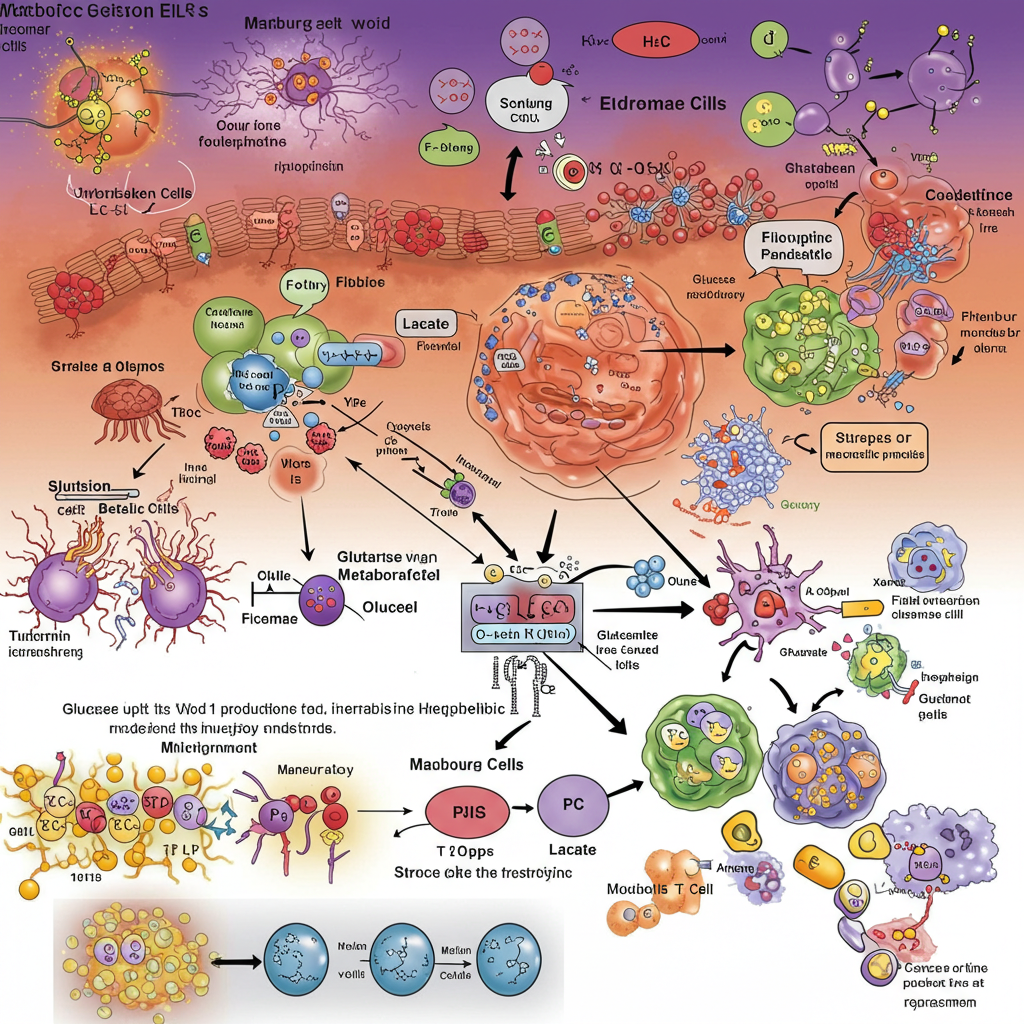
Metabolic Principles in Cancer Treatment
On cancer cells’ unique appetite—and how it might be turned against them. Or why our dietary choices might not be as irrelevant as one might think. (Illustrations should be considered as vignettes.)
Contents, Section 1:
- Cancer cells’ unique energy needs (scroll down)
- The Warburg effect (scroll to)
- Which energy pathways are being targeted (scroll to)
- The role of the tumor microenvironment (scroll to)
- New treatments on the horizon (scroll to)
- Can cancer be starved with diet? (scroll to)
- Conclusion: The Future (scroll to)
- Reference list for the text (scroll to)
Sektion 2:
Summary: Can Cancer Be Starved – On Metabolic Cancer Treatment
The Warburg Effect:
Cancer cells have a unique way of obtaining energy, known as the Warburg effect, where they primarily use sugar (glucose) to grow rapidly, even in the presence of oxygen. This “unique appetite” distinguishes them from normal cells and opens the door to new treatment strategies.
Dr. Thomas Seyfried:
Researchers and pioneers like Dr. Thomas Seyfried argue that cancer is fundamentally a metabolic disease, and that the vulnerability of cancer cells can be exploited by targeting their energy pathways.
What Is the Main Idea
- Target cancer cells’ energy sources: Cancer cells are highly dependent on glucose and glutamine. By limiting access to these nutrients, their growth can potentially be inhibited.
- Ketogenic diet as a tool: A ketogenic diet (very low carbohydrate, high fat) can force the body to use ketones as fuel instead of glucose.
This creates an environment that is unfavorable for many cancer cells, while it is often beneficial for normal cells.
Dr. Seyfried’s research highlights this as a potential supplement to conventional treatment. - Targeted supplements/herbs: Some substances are being investigated for their ability to affect the spread of cancer cells.
- New drugs in development: Research is also developing medications that specifically block enzymes that cancer cells use to convert sugar and other nutrients (e.g., substances that inhibit Hexokinase, PKM2, or Glutaminase).
- Understanding the tumor’s “neighborhood”: Cancer cells collaborate with the cells around them. By also affecting the metabolism of these “neighboring cells,” a more hostile environment for the tumor can be created.
Important: Dietary approaches should be seen as potential complementary strategies and, if desired, implemented in collaboration with your healthcare provider. The goal is to exploit the metabolic vulnerability of cancer cells to improve the effectiveness of treatment and the body’s overall health.
Targeting Cancer Metabolism – Starving Cancer
Summary
This review attempts to provide a more detailed introduction to the concept of targeting cancer treatment by utilizing the unique metabolism of cancer cells as a treatment strategy. It explains how cancer cells, unlike normal cells, often exhibit the Warburg effect (aerobic glycolysis) to support rapid growth and survival. It covers the history behind this discovery, the metabolic pathways (glucose, glutamine, lipids) that are central therapeutic targets, and how the tumor microenvironment and dietary approaches play a role. It also highlights clinical trials with metabolic inhibitors and the challenges and perspectives associated with this promising, yet complex, approach to cancer treatment.
1. Introduction: Understanding the Metabolic Vulnerability of Cancer Cells
Energy
To maintain life and function, all cells in our body depend on a constant supply of energy. This energy is primarily produced through metabolic processes where nutrients such as glucose are converted into adenosine triphosphate (ATP), the cell’s primary energy currency (1).
In normal cells, there is a fine balance between two main pathways for energy production: glycolysis and oxidative phosphorylation (OXPHOS). Glycolysis occurs in the cell’s cytoplasm, where glucose is broken down into pyruvate and produces a small amount of ATP. In the presence of oxygen, pyruvate is primarily directed into the mitochondria, the cell’s “power plants,” where it undergoes the citric acid cycle (also known as the Krebs cycle or TCA cycle) and subsequent OXPHOS, a process that generates a much larger amount of ATP (2). This efficient energy production is crucial for the specialized functions and maintenance of normal cells.
Significant Changes
Cancer cells, however, exhibit significant changes in their metabolic pathways compared to normal cells. To support their rapid growth, uncontrolled division (proliferation), and ability to survive in various and often hostile microenvironments, cancer cells have reprogrammed their metabolic machinery. These changes include increased nutrient uptake, altered direction of metabolic processes (flux), and altered regulation of key metabolic enzymes. One of the most characteristic features of this metabolic reprogramming is the Warburg effect (2), where cancer cells prefer glycolysis as their primary pathway for energy production, even when sufficient oxygen is present.
Targeting Vulnerabilities
The concept of targeting these unique metabolic vulnerabilities in cancer cells represents a promising strategy in cancer treatment. By inhibiting the energy and biosynthetic pathways that are crucial for tumor growth and survival, researchers hope to limit the proliferation of cancer cells, induce cell death (apoptosis), and ultimately control the progression of the disease (3).
This description will attempt to delve deeper into the scientific basis for such an approach, focusing on the central metabolic pathways identified as potential therapeutic targets and the various strategies used in the attempt to “starve” cancer cells.
2. The historical perspective: Otto Warburg and aerobic glycolysis
Groundbreaking Observation
In the early 20th century, the German biochemist Otto Warburg made a groundbreaking observation that would revolutionize our understanding of cancer metabolism (3). He discovered that cancer cells exhibited an unusually high consumption of glucose and a significant production of lactate (lactic acid), even in environments with sufficient oxygen. This observation, later known as the Warburg effect or aerobic glycolysis, stood in stark contrast to the primary metabolic process used by normal cells in oxygen-rich environments, namely the far more efficient oxidative phosphorylation (2).
The Mechanism Behind the Warburg Effect
The mechanism behind the Warburg effect involves a fundamental change in how cancer cells process glucose (compared to normal cells) to generate both energy and the building blocks necessary to create new cancer cells (4). Like normal cells, cancer cells take up glucose from their surroundings and convert it to pyruvate through glycolysis, which occurs in the cytoplasm. In normal cells, pyruvate is transported under oxygen-rich conditions into the mitochondria to undergo OXPHOS (see above), resulting in high ATP production (about 36 ATP molecules per glucose molecule).
Cancer cells deviate from this pathway by largely limiting the use of OXPHOS, even when there is plenty of oxygen. Instead, they convert pyruvate to lactate in the cytoplasm. This process, known as lactate fermentation, regenerates NAD+, a coenzyme necessary for glycolysis to continue, but it produces only a very limited amount of ATP (just 2 ATP molecules per glucose molecule) (4).
Advantages of the Warburg Effect for Cancer Cells
Although the Warburg effect is much less efficient in terms of ATP production compared to OXPHOS, it is believed that this metabolic reprogramming provides cancer cells with several critical advantages (5):
First, it enables rapid ATP production, which can be beneficial in areas of the tumor with fluctuating oxygen availability. Second, glycolysis generates important intermediates essential for the biosynthesis of macromolecules, such as ribose for DNA and RNA synthesis, and glycerol and citrate for lipid synthesis, which are required in large quantities to build new cells during rapid growth.
Additionally, the increased production of lactate and the resulting acidic environment in the tumor can promote tumor invasion by breaking down surrounding tissue and inhibiting the activity of immune cells in the tumor microenvironment, making it easier for cancer cells to evade the immune system (5).
Diagnostic Significance of the Warburg Effect
The increased glucose uptake, a hallmark of cancer cells due to the Warburg effect, has an important application in cancer diagnostics. Positron emission tomography (PET) scans exploit this metabolic peculiarity to detect tumors in the body (4).
In a PET scan, a radioactively labeled glucose analog, typically 18F-fluorodeoxyglucose (18F-FDG), is injected into the patient’s bloodstream. Due to the elevated metabolic activity and dependence on glucose, malignant cancer cells accumulate a higher concentration of this radioactive tracer compared to the surrounding normal tissue. This difference in uptake allows doctors to visualize and thus locate tumors using PET scans.
The combination of PET scans with computed tomography (CT) scans (PET/CT) provides even more precise information by combining the metabolic data from PET with the detailed anatomical images from CT scans. This diagnostic application underscores the continued clinical relevance of the Warburg effect in managing cancer diseases.
Evolution in the Understanding of the Warburg Effect
Our understanding of the Warburg effect and its role in cancer development has evolved significantly since Warburg’s original discovery. Warburg initially hypothesized that defective mitochondria could be the cause of the increased glycolysis rate in tumor cells and perhaps even a primary cause of cancer development itself.
Today, however, it is widely recognized that genetic mutations in oncogenes (genes that promote cancer) and tumor suppressor genes are the primary drivers behind malignant transformation, and that the Warburg effect is rather a consequence of these genetic changes than a primary cause (6).
The metabolic change is now considered an adaptation that provides cancer cells with selective advantages, such as the ability to survive in low-oxygen environments within tumors or as a result of cancer genes “shutting down” mitochondrial function in programmed cell death (apoptosis) (6).
Nevertheless, the Warburg effect has retained its status as a central hallmark of cancer and an important area for therapeutic interventions.
Dr. Thomas Seyfried
In recent times, Dr. Thomas Seyfried (27) has revived and significantly advanced this line of thinking. He is a prominent advocate for the theory that cancer is primarily a metabolic disease, where mitochondrial dysfunction plays a central role, in contrast to the dominant view that focuses on genetic mutations as the primary cause. His research has intensely focused on how metabolic therapies, not least ketogenic diets and calorie restriction, can affect the energy supply of cancer cells and thus their growth and survival (22).
Seyfried argues that damaged mitochondrial function may be a primary underlying factor in cancer, driving cells to increase glycolysis as a compensatory mechanism. This perspective nuances the established view and highlights the importance of metabolic dysfunctions in the development and treatment of cancer.
Clinical Relevance Today
The Warburg effect, once considered a curiosity, is today a cornerstone in cancer diagnostics and an intense area of research for the development of new treatments. Warburg’s observation from nearly a century ago forms the basis for our understanding of cancer cells’ unique metabolic needs. This fundamental difference from normal cells opened the possibility of therapeutically targeting these specific metabolic pathways. The fact that this metabolic change can be detected using PET scans underscores its continued clinical relevance.
The shift in the view of the Warburg effect—from a primary cause to a consequence of genetic changes—has refined treatment methods. The focus is now on the underlying genetic processes and the cells’ communication and response systems that collectively control metabolic reprogramming.
While Warburg’s original hypothesis about mitochondrial dysfunction was important when it emerged, the later understanding that oncogenes and tumor suppressor genes orchestrate this metabolic shift allows for more targeted interventions that could potentially reverse or normalize cancer metabolism.
It is also important to note that the Warburg effect is not uniform across all cancer types and stages, suggesting the need for personalized strategies for metabolic targeting that account for variations in intensity and the specific mechanisms depending on the cancer type, its progression stage, and the genetic composition of the cancer cells.
See also Cancer as a Metabolic Disorder
3. Central Metabolic Pathways as Therapeutic Targets
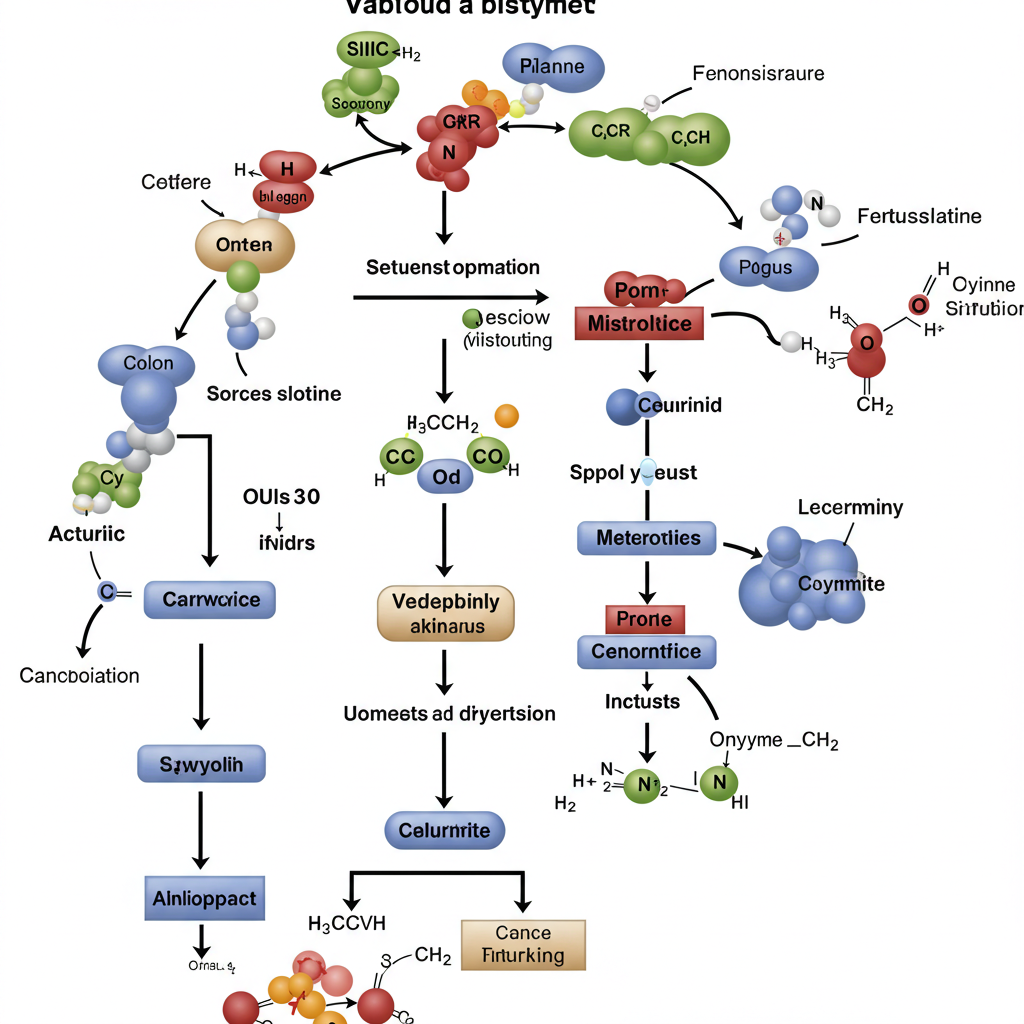
Cancer cells’ altered metabolism creates a number of potential “weak points” that researchers are trying to exploit therapeutically. By targeting specific enzymes and transport proteins that are crucial for cancer cells’ energy production and growth, it is hoped that their survival can be disrupted.
Glucose Metabolism as a Target
Glucose metabolism plays a fundamental role in cancer biology, as it provides the necessary energy and building blocks for the rapid growth and division of cancer cells (7). Glycolysis, the primary pathway for glucose metabolism, is particularly important for fast-growing cancer cells.
In addition to producing ATP, albeit inefficiently in the Warburg effect, glycolysis also generates important intermediates necessary for the synthesis of amino acids, nucleotides, and lipids—all crucial for building new cell mass in cancer cells. The characteristically high glucose consumption in many cancer forms is exploited diagnostically in PET scans, as previously mentioned (4).
This strong dependence on glucose has led researchers like Dr. Thomas Seyfried to argue that limiting glucose availability, e.g., through a ketogenic diet, could be an effective therapeutic strategy (22).
Targeting Hexokinase (HK)
A central target in glucose metabolism is the enzyme hexokinase (HK), which initiates glycolysis by catalyzing the phosphorylation of glucose to glucose-6-phosphate (8). Among the various variants of hexokinase, hexokinase II (HK2) is often overexpressed in many cancer forms and is associated with increased growth and poorer prognosis (8).
Therefore, substances that inhibit HK2 are being investigated as potential cancer treatments. Examples include 2-deoxy-D-glucose (2-DG) and 3-bromopyruvate (3-BrPA), which have shown promising results in laboratory studies. A newer substance, benitrobenrazide (BNBZ), is more specific for HK2 and effectively blocks cancer cell growth. Another strategy is to use molecules (PROTACs) to selectively degrade the HK2 protein in cancer cells.
Pyruvate Kinase M2 (PKM2) as a Target
Another important enzyme in glycolysis is pyruvate kinase M2 (PKM2), which catalyzes the final step in the pathway (9). PKM2 is often found at higher levels in cancer and plays a role in the Warburg effect. The enzyme can have different forms with varying activity, and cancer cells favor a form that allows the accumulation of building blocks for cell growth.
Substances that inhibit PKM2 have shown anti-tumor activity in the laboratory, and the same applies to substances that activate another form of PKM2 in certain cancer types. PKM2 also has other functions in the cell, making targeting complex.
Strategies Against Glycolysis
Targeting various steps in glycolysis provides multiple opportunities to disrupt cancer cells’ energy and growth. Inhibiting key enzymes such as HK and PKM2 can block the pathway and deprive cancer cells of important resources.
Research into both inhibitors and activators of these enzymes shows a complexity in targeting metabolism, where the specific context of the cancer type is crucial for the therapeutic approach.
Glutamine Metabolism
Glutamine, another important nutrient, serves as a significant source of both energy and building blocks for cancer cells (10). Many cancer forms are highly dependent on glutamine for their survival and growth.
The enzyme glutaminase (GLS) is the first step in glutamine metabolism, and substances that inhibit GLS are being investigated for use as cancer treatments. Additionally, cancer cells often increase their uptake of glutamine from their surroundings by overexpressing specific transport proteins on the cell surface, which can also be targets for therapy.
Lipid Metabolism as a Target
Abnormal metabolism of fats (lipids) is also a hallmark of cancer (11). Cancer cells often increase their ability to produce fatty acids themselves (de novo lipogenesis) and to uptake and break down fatty acids (fatty acid oxidation) to meet their needs for energy, signaling molecules, and building blocks for cell membranes.
Enzymes involved in fatty acid synthesis, such as fatty acid synthase (FASN) and stearoyl-CoA desaturase (SCD), as well as the enzyme ATP-citrate lyase (ACLY), which connects glucose and fat metabolism, are all under investigation as potential therapeutic targets. Inhibition of these enzymes has shown promising results in laboratory studies.
Other Metabolic Targets
In addition to glucose, glutamine, and lipids, other metabolic pathways and enzymes are being investigated as targets. One example is isocitrate dehydrogenase (IDH), where mutations in certain cancer forms lead to the production of a substance (2-hydroxyglutarate) that promotes cancer development (12).
Drugs have been developed that specifically inhibit the mutated forms of IDH, and these have shown clinical benefits in certain cancer types. This underscores the potential of targeting specific metabolic changes based on genetic mutations.
Table 1: Key metabolic enzymes targeted in cancer treatment
(Here is the table – although I cannot claim that the content is crystal clear to me – perhaps you are more insightful…)
| Enzyme | Role in cancer metabolism | Examples of inhibitors/activators under investigation | Relevant cancer types |
| Hexokinase (HK) | First step in glycolysis, glucose phosphorylation | 2-DG, 3-BrPA, BNBZ | Many cancers with increased glycolysis |
| PKM2 | Last step in glycolysis, PEP to pyruvate conversion | Shikonin, Compound 3K, TEPP-46 | Ovarian cancer, prostate cancer, lung cancer, glioblastoma |
| Glutaminase (GLS) | First step in glutamine metabolism, glutamine to glutamate | CB-839 (Telaglenastat), DON | Triple-negative breast cancer, hematological malignancies |
| FASN | Key enzyme in de novo lipogenesis (DNL) | Cerulenin, Orlistat, TVB-2640 | Prostate cancer, breast cancer, colorectal cancer, lung cancer |
| SCD | Conversion of saturated to monounsaturated fatty acids | CAY10566, MK-8245, A939572, CVT-11127 | Ovarian cancer, glioblastoma, hepatocellular carcinoma, lung cancer, breast cancer, prostate cancer |
| ACLY | Links glucose metabolism to fatty acid synthesis | BMS-303141, SB-204990, Bempedoic acid | Ovarian cancer, prostate cancer, lung cancer, breast cancer |
| IDH | Catalyzes the conversion of isocitrate to α-ketoglutarate | Ivosidenib, Enasidenib, Vorasidenib, Zotiraciclib | AML, cholangiocarcinoma, glioma, chondrosarcoma |
4. The Tumor Microenvironment and Metabolic Interaction
Complex Network
Cancer cells do not exist in isolation; they constantly interact with their surrounding environment, known as the tumor microenvironment (TME) (13). The TME consists of various cell types, including immune cells, fibroblasts (connective tissue cells), blood vessels (endothelial cells), and the extracellular matrix (ECM), a complex network of proteins and other molecules.
The interactions between cancer cells and these components of the TME play a crucial role in tumor growth, invasion, metastasis (spread), and resistance to treatment. Interestingly, metabolism in the TME is also strongly involved in these processes.
Metabolic Symbiosis and Competition
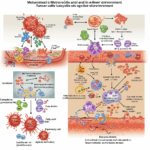
There is a complex metabolic interaction between cancer cells and the other cells in the TME. For example, cancer cells that primarily use glycolysis (the Warburg effect) may secrete large amounts of lactate. This lactate can be taken up by other cancer cells in different areas of the tumor, or by stromal cells such as fibroblasts and endothelial cells, which can use it as an energy source via oxidative phosphorylation (14). This form of metabolic “division of labor” or metabolic symbiosis can promote tumor growth and survival.
Conversely, there may also be metabolic competition within the TME. Cancer cells compete with immune cells for important nutrients such as glucose and glutamine (15). The high consumption of glucose by cancer cells can create a glucose-poor environment that inhibits the activity of certain immune cell types, such as cytotoxic T cells, which are essential for killing cancer cells. Similarly, a lack of other nutrients in the TME may negatively affect the immune response.
Metabolic Reprogramming of TME Components
Cancer cells can also actively reprogram the metabolism of other cells in the TME in order to promote their own survival and growth. For example, cancer cells may secrete signaling molecules that induce a “cancer-associated fibroblast” (CAF) phenotype in normal fibroblasts. CAFs display altered metabolism and produce growth factors, cytokines, and ECM components that support tumor growth, angiogenesis (formation of new blood vessels), and immunosuppression (16).
More specifically, cancer cells may secrete:
Extracellular vesicles (EVs): Small vesicles released from cells containing proteins, RNA, and other molecules that can be transferred to other cells and alter their function.
Cytokines: These are small signaling proteins that can affect immune cells and other cell types in the TME. Examples include TGF-beta and TNF-alpha.
Chemokines: A subgroup of cytokines that specifically attract immune cells and other cells to the tumor. Examples include CXCL12.
Growth factors: Proteins that stimulate cell growth and division. Examples include VEGF (vascular endothelial growth factor), which promotes the formation of new blood vessels (angiogenesis), and PDGF (platelet-derived growth factor).
Enzymes: Cancer cells can secrete enzymes such as matrix metalloproteinases (MMPs), which break down the extracellular matrix and facilitate invasion and metastasis.
Metabolites: Waste products from the altered metabolism of cancer cells, such as lactate, can affect the pH value in the TME and influence the function of immune cells and fibroblasts.
Therapeutic Consequences of TME Metabolism
Understanding the metabolic interactions in the TME provides new opportunities for therapeutic intervention (treatment). By targeting metabolism, not only in the cancer cells themselves but also in the supportive cells within the TME, it may be possible to create a more unfavorable environment for tumor growth and improve the effect of other treatments, such as immunotherapy.
For example, inhibition of lactate transporters (MCT1 and MCT4) on both cancer cells and stromal cells (supportive tissue) may disrupt metabolic symbiosis and potentially inhibit tumor growth (14). Similarly, strategies aimed at “reviving” metabolism in immune cells within the TME may improve their ability to fight cancer.
Metabolic Heterogeneity Within Tumors
It is important to note that there is often considerable metabolic heterogeneity (variation) within a single tumor (17). Cancer cells in different areas of the tumor may have different access to nutrients and oxygen, which can lead to differences in their metabolic profiles.
Cells in oxygen-poor (hypoxic) areas of the tumor are often more dependent on glycolysis, whereas cells closer to blood vessels may have a higher degree of oxidative phosphorylation.
This metabolic heterogeneity may influence treatment response, since different metabolic profiles may make cells more or less sensitive to specific metabolic inhibitors.
5. Clinical Translation and Therapeutic Strategies Under Development
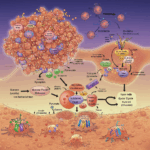
The promising results from preclinical research into targeting cancer metabolism are increasingly being translated into clinical practice. Several inhibitors of central metabolic enzymes are currently being evaluated in clinical trials, either as stand-alone treatments or in combination with other anticancer drugs.
Inhibitors in Clinical Trials
As mentioned earlier, inhibitors of glutaminase (e.g. telaglenastat/CB-839), MCT1 (e.g. AZD3965), and IDH (e.g. ivosidenib, vorasidenib) are among the metabolic drugs that have shown promising results in early clinical studies (18). Telaglenastat, an oral glutaminase inhibitor, has been investigated in combination with other treatments in various advanced solid tumors.
AZD3965, a selective inhibitor of MCT1 and MCT4, has been evaluated in phase I clinical trials and has been shown to be well tolerated and to have an effect on tumor metabolism.
Among IDH inhibitors, ivosidenib and enasidenib have received FDA approval in the United States for the treatment of certain forms of acute myeloid leukemia (AML) with specific IDH1 or IDH2 mutations, underscoring the clinical validity of targeting cancer-specific metabolic changes.
Vorasidenib is another IDH inhibitor that has shown significant improvement in progression-free survival in patients with low-grade gliomas with IDH1 or IDH2 mutations and has received FDA approval in the United States for this indication.
Bempedoic acid, an ACLY inhibitor, is approved for cholesterol lowering, but its potential as an anticancer drug is also being investigated in clinical studies.
Ketogenic Diet
Dr. Thomas Seyfried has been a driving force behind the research into, and advocacy for, the use of ketogenic diets in clinical trials, especially in aggressive cancers such as glioblastoma. His work has helped initiate (start) and shape many of the studies evaluating the diet’s feasibility, safety, and potential to affect tumor growth and patient survival. This is often in combination with standard treatments or other metabolic inhibitors such as 6-diazo-5-oxo-L-norleucine (DON) (26).
Combination Therapies
An important strategy for improving the effectiveness of metabolic inhibitors and overcoming potential mechanisms of resistance is to combine them with other forms of cancer treatment, such as chemotherapy, radiation therapy, immunotherapy, or other targeted therapies (19). For example, the combination of glutaminase inhibitors with chemotherapy is being investigated in certain cancer types. Preclinical studies have also suggested synergistic effects from combining ACLY inhibition with PD-L1 blockade (a type of immunotherapy) to improve the immune response against tumors. Similarly, combinations of hexokinase and PKM2 inhibitors with traditional chemotherapeutic agents are being evaluated to increase sensitivity and improve treatment outcomes.
Challenges and Perspectives
The development of effective and selective metabolic inhibitors is not without challenges. Many metabolic pathways are closely interconnected, and the enzymes targeted by therapy often also play important roles in the function of normal cells, increasing the risk of toxicity and side effects. In addition, cancer cells may develop resistance mechanisms to metabolic inhibitors by activating alternative metabolic pathways or altering the expression of the target enzyme.
Despite these challenges, the field of metabolic targeting in cancer treatment remains a promising area with significant potential. The growing understanding of the complex metabolic changes in cancer and the interactions within the tumor microenvironment is paving the way for the development of more specific and effective therapeutic strategies.
Future research efforts will likely focus on identifying biomarkers that can predict which patients will benefit most from specific metabolic therapies, developing more selective inhibitors with fewer side effects, and exploring new combination strategies that can attack cancer cells on several metabolic fronts simultaneously.
Table 2: Examples of Clinical Trials With Metabolic Inhibitors
| Target enzyme | Inhibitor(s) | Cancer type(s) | Phase | Status |
| Glutaminase | CB-839 | Various solid tumors and hematological malignancies | I–II | Ongoing / Completed |
| MCT1 | AZD3965 | Various solid tumors | I | Completed |
| IDH1 | Ivosidenib | AML, cholangiocarcinoma, chondrosarcoma, glioma | I–III | Approved for certain indications |
| IDH1/2 | Vorasidenib | Low-grade gliomas | III | Approved |
| ACLY | Bempedoic acid | Dyslipidemia (also being investigated in cancer) | III | Approved for dyslipidemia |
6. Can Cancer Be Starved Through Dietary Approaches
Seyfried’s Central Thesis
The idea of influencing cancer through dietary changes, especially by restricting glucose through a ketogenic diet, is a field of research in which Dr. Thomas Seyfried has been a pioneer and to which he continues to dedicate his research. His central thesis, described in detail in his book Cancer as a Metabolic Disease (25), is that cancer is fundamentally a disease caused by damaged mitochondrial respiration, which forces cells to switch to fermentation (glycolysis) for energy (26). He argues passionately that a ketogenic diet, by reducing blood glucose and insulin and increasing ketone bodies, can exploit this metabolic vulnerability and create a metabolic environment that is directly unfavorable to many cancer cells that primarily depend on glucose for energy, while at the same time supporting the health of normal cells.
The rationale behind this concept is that by depriving cancer cells of their primary fuel sources, one can potentially inhibit their growth and survival (20).
Ketogenic diets, which are characterized by a very low carbohydrate content and a high fat content, force the body to shift its primary energy substrate from glucose to ketone bodies. This shift in energy source is thought to create a metabolic environment that is unfavorable to cancer cells, which in many cases are highly dependent on glucose. Similarly, restriction of glutamine intake is being investigated as a possible strategy, since many cancer cells have an increased need for this amino acid for both energy production and biosynthesis (21).
See also Ketogenic Diet – LCHF
See also Carnivore Diet
Clinical Evidence for Dietary Interventions
Although preclinical studies in cell cultures and animal models have shown some promising results for dietary interventions in specific cancer types, robust clinical evidence in humans is still limited and complex (22). Ketogenic diets have in some smaller clinical studies been shown to be feasible and to have minimal side effects in certain patient groups with specific cancer types, such as glioblastoma (an aggressive brain tumor). These studies have in some cases reported disease stabilization or even some tumor reduction. However, it is important to note that the effectiveness of dietary restriction appears to vary considerably depending on the cancer type, the genetic composition/origin of the tumor, and individual patient factors.
When it comes to glutamine restriction, the picture is even more complex. The body is able to produce glutamine itself, and cancer cells can potentially adapt and obtain glutamine from other metabolic pathways or from the breakdown of proteins (21). This makes it difficult to achieve effective systemic glutamine restriction solely through diet without potentially causing significant malnutrition and other negative health effects.
Some smaller clinical studies, including studies inspired by Dr. Seyfried’s work, have shown that a ketogenic diet can be feasible and, as mentioned above, have certain effects in patients with specific cancer types such as glioblastoma, but more extensive research is needed.
Misconceptions About “Starving Cancer”
There are widespread misconceptions, especially in popular culture and on the internet, that cancer can be treated effectively simply by reducing overall food intake or drastically restricting carbohydrates in order to “starve” tumors.
It should be mentioned here that leading oncologists still emphasize the importance of cancer patients maintaining a healthy and balanced diet in order to support their overall health, preserve muscle mass, strengthen the immune system, and improve tolerance of conventional cancer treatments such as chemotherapy and radiation therapy (23).
Severe and uncontrolled restriction of nutrients can lead to malnutrition, weight loss, muscle wasting (cachexia), and a general deterioration of the patient’s condition, which can have serious and even life-threatening consequences.
Dietary interventions in cancer patients should therefore be considered potential complementary strategies and should only be implemented under the guidance and supervision of qualified healthcare professionals.
One should never regard a diet – however effective it may appear to be – as an intervention that can stand alone as a treatment for cancer. (I do not actually think that a ketogenic diet carries a particularly high risk of muscle loss, since it normally includes relatively large amounts of protein (and fat), but possibly a risk of vitamin deficiencies).
In this context, it should be mentioned that Dr. Seyfried’s approach, although restrictive, is based on a specific scientific hypothesis and differs from more general and uninformed “starvation diets”.
The Role of Evidence-Based Nutritional Guidance
Although the idea of “starving cancer” through dietary interventions is theoretically appealing and has shown some promising results in preclinical models, the scientific basis for its broad effectiveness in humans is still under development and requires careful interpretation (22).
It is biologically plausible that restricting nutrients on which cancer cells are highly dependent (e.g. glucose) could potentially inhibit their growth. However, the complex metabolic system of the human body and the remarkable ability of cancer cells to adapt to changes in their environment make it challenging to effectively “starve” tumors through diet alone, without also negatively affecting the patient’s overall health.
Dietary interventions should therefore be regarded as potential complementary strategies that can be used in combination with conventional cancer treatments. While extreme and uncontrolled dietary restrictions are strongly discouraged, specific dietary approaches, such as a supervised ketogenic diet, may potentially play a supportive role in the treatment of certain cancer types in selected individuals, when integrated into a comprehensive treatment plan and closely monitored by a multidisciplinary treatment team. However, more extensive and well-designed clinical studies are needed to define the specific contexts (cancer types, stages, patient characteristics) and the precise protocols in which these dietary interventions may be beneficial and safe.
Researchers such as Dr. Thomas Seyfried emphasize the importance of understanding cancer as a metabolic disease, which may potentially open up new dietary strategies as a supplement to conventional treatment.
Table 3: Dietary Interventions in Cancer: Rationale and Evidence
| Dietary intervention | Rationale | Evidence |
| Ketogenic diet | Restricts glucose and forces the body to use ketones as an energy source | Preclinical studies show potential in certain cancer types; robust clinical evidence in humans remains limited, but the approach appears to have minimal toxicity. |
| Glutamine restriction | Restricts the availability of an important nutrient for cancer cells | Cancer cells may produce glutamine themselves or obtain it from alternative sources; evidence for effectiveness as a monotherapy remains limited. |
7. Conclusion: The Future of Targeting Cancer Metabolism
Significant Progress
Targeting the unique metabolism of cancer cells as a treatment strategy has secured significant advances in our understanding of the complex metabolic changes that characterize cancer cells, and in the development of therapeutic strategies specifically aimed at exploiting these metabolic vulnerabilities (24).
Since the groundbreaking discovery of the Warburg effect almost a century ago, the field of research has developed significantly, and in recent times researchers such as Dr. Thomas Seyfried have played a crucial role in reviving and further developing the metabolic theory of cancer.
Significant Challenges Ahead
Despite these advances, there are still significant challenges that must be overcome in order to realize the full potential of metabolically targeted cancer treatment. Achieving sufficient selectivity for cancer cells, minimizing toxicity to normal cells, understanding and overcoming the complex mechanisms of resistance development, and effectively translating promising preclinical results into broad clinical success remain central areas of research.
Exciting Opportunities
Research into targeting cancer metabolism, from the early observations of Otto Warburg to the continued and dedicated work of contemporary researchers such as Dr. Thomas Seyfried, continues to promise exciting opportunities for the development of new treatment strategies. His insistence on viewing cancer primarily as a metabolic disease has inspired renewed interest in dietary approaches (as complementary treatment) and has led to clinical trials, especially within aggressive cancer types such as glioblastoma.
In summary, targeting cancer metabolism is a highly promising therapeutic field, and Dr. Thomas Seyfried’s contributions have been crucial in advancing the understanding of the role of diets in this context.
Combined Treatment Strategies
The full potential requires continued intensive research, innovative technological advances, and a shift toward more personalized and combined treatment strategies. The integration of metabolic targeting, including the dietary strategies highlighted by Dr. Seyfried, with other groundbreaking cancer therapies, such as immunotherapy, may open up new and more effective ways of treating this complex and challenging disease.
At the same time, it is crucial to address widespread misconceptions about dietary approaches and ensure that patients receive evidence-based nutritional guidance as an integrated part of their cancer treatment.
See also Nutrition and Diet
See also Integrative Oncology
See also Cancer as a Metabolic Disorder
To be continued…
References
(1) Cell Biology & Cell Metabolism (Journal of Cell Biology, 2020)
(2) Energy Boost: The Warburg Effect Returns in a New Theory of Cancer (Journal of the National Cancer Institute, dec. 2004)
(3) On the origin of cancer cells (Science, 1956)
(4) PET Scans for Cancer Detection (National Cancer Institute, 2023)
(5) Understanding the Warburg effect: the metabolic requirements of cell proliferation (PubMed, maj 2009)
(6) Hallmarks of Cancer: New Dimensions (PubMed, Cancer Discovery, januar 2022)
(7) The Warburg effect: why and how do cancer cells activate glycolysis in the presence of oxygen? (PubMed, april 2008)
(8) Tristetraprolin-mediated hexokinase 2 expression regulation contributes to glycolysis in cancer cells (PubMed, Journal of Bioenergetics and Biomembranes, marts 2019)
(9) The Role of Pyruvate Kinase M2 in Cancer Metabolism (PubMed 2015)
(10) Glutamine and cancer: metabolism, immune microenvironment, and therapeutic targets (PubMed, Genes & Development, jan. 2024)
(11) Lipid metabolism in cancer (PubMed, FEBS Journal, april 2025)
(12) IDH mutations in cancer and progress toward therapeutic strategies (PubMed, Annual Review of Pharmacology and Toxicology, april 2016)
(13) The tumour microenvironment creates a niche for the self-renewal of tumour-promoting macrophages in colon adenoma (Nature, feb. 2018)
(14) Targeting lactate-fueled respiration selectively kills hypoxic tumor cells in mice (Journal of Clinical Investigation, nov. 2008)
(15) Reprogramming glucose metabolism of tumors to enhance cancer immunotherapy (Trends in Pharmacological Sciences, april 2025)
(16) The biology and function of fibroblasts in cancer (Nature Reviews Cancer, aug. 2016)
(17) The Heterogeneity of Cancer Metabolism (Open Access, 2021)
(18) Targeting Metabolic Vulnerabilities to Combat Drug Resistance in Cancer Therapy (PubMed, MDPI, jan. 2025)
(19) Metabolic vulnerabilities in cancer and therapeutic opportunities (Nature Reviews Clinical Oncology, august 2020)
(20) Cancer as a metabolic disease: on the origin, management, and prevention of cancer (John Wiley & Sons, 2012)
(21) Glutamine Addiction: A New Therapeutic Target in Cancer (PubMed, aug. 2010)
(22) Ketogenic diet in cancer therapy (PubMed, feb. 2018)
(23) Cancer Cachexia: Mechanisms and Clinical Implications (PubMed, juni 2011)
(24) Food Iminosugars and Related Synthetic Derivatives Shift Energy Metabolism and Induce Structural Changes in Colon Cancer Cell Lines (MDPI, Trends in Cancer, foods, april 2025)
(25) Bog: Cancer as a Metabolic Disease: On the Origin, Management, and Prevention of Cancer (Af Dr. Thomas Seyfried, Amazon)
(26) Treating Pancreatic Cancer: Could Metabolism—Not Genomics—Be the Key? (Broken Science, april 2024)
(27) Thomas N. Seyfried (Boston Colleges hjemmeside)
Links – Additional
Expert says ketogenic diet ‘prevents’ and ‘destroys’ cancer – best foods to eat (Get Surrey)
Cancer som metabolisk lidelse, Den rigtige vej (Carsten Vagn Hansen, DSOM)
Video: Dr. Thomas Seyfried reveals: Cancer is a Metabolic Disease, not Genetic! (Dr. Thomas Seyfried Charity Channel, YouTube)
Investigating metabolic mechanisms driving childhood brain cancer (Children With Cancer, UK)
Bog: Cancer as a Metabolic Disease (Af Thomas Seyfried)
Thomas N. Seyfried (Boston Colleges hjemmeside)
Thomas Seyfried’s Metabolic Theory of Cancer and How The Paleo Diet Could Help Curtail the Disease (The Paleo Diet)
Targeting the Mitochondrial-Stem Cell Connection in Cancer (Journal of Orthomolecular Medicine)
Treatment: A Hybrid Orthomolecular Protocol (Journal of Orthomolecular Medicine)
How breast cancer goes hungry (Cold Spring Harbor Laboratory)
Cancer som metabolisk lidelse (IOM)
How to starve cancer (Jane McLellands homepage)
Insulinresistens spiller vigtig rolle ved kræft (Science News.dk)
Forskningsgruppeleder: Kronisk forhøjet insulin kan drive kræftrisiko ved svær overvægt (Onkologisk Tidsskrift)
The Warburg Effect: How Does it Benefit Cancer Cells? (PubMed, 2017)
On the Origin of the Warburg Effect in Cancer Cells: Controlling Cancer as a Metabolic Disease (Asian Pacific Journal of Cancer Biology)
Function of intramitochondrial melatonin and its association with Warburg metabolism (PubMed, 2025)
- Content: Melatonin may reduce abnormal energy metabolism in cancer cells by restoring pyruvate entry into the mitochondria, lowering ROS levels, and inhibiting tumor growth, making it a potential treatment for cancer.
Video: The Cancer Doctor: “This Common Food Is Making Cancer Worse!” (The Diary Of A CEO, interview m professor dr. Thomas Seyfried, YouTube, 2024)
- Content: Prof. Dr. Thomas Seyfried discusses cancer as a metabolic disease “fed” by glucose and his theory of “starving” cancer cells through diet and fasting.
Site created: May 12, 2025
❤
What you read on Jeg har Kræft is not a recommendation. Seek competent guidance.
Metabolic Principles in Cancer Treatment
Reference List
On cancer cells’ unique appetite—and how it might be turned against them. (Illustrations should be considered as vignettes.)
Contents, Section 1:
- Cancer cells’ unique energy needs (scroll to)
- The Warburg effect (scroll to)
- Which energy pathways are being targeted (scroll to)
- The role of the tumor microenvironment (scroll to)
- New treatments on the horizon (scroll to)
- Can cancer be starved with diet? (scroll to)
- Conclusion: The future (scroll to)
- Reference list for the text (scroll to)
Section 2:
- Comprehensive reference list for the topic as a whole (scroll down)
Comprehensive reference list for the topic—compiled by Gemini
(It has not been verified)
- Lipid metabolism in cancer progression and therapeutic strategies – PMC (PMC, 2021) https://pubmed.ncbi.nlm.nih.gov/34766135/
- Targeting Cancer Metabolism: A Review of Therapeutic Strategies – PMC (PMC, 2023) https://www.ncbi.nlm.nih.gov/pmc/articles/PMC10182448/
- The Hallmarks of Cancer: The Next Generation – PMC (PMC, 2011) https://www.ncbi.nlm.nih.gov/pmc/articles/PMC3246191/
- Metabolic reprogramming in cancer cells and its role in cancer progression – PMC (PMC, 2023) https://www.ncbi.nlm.nih.gov/pmc/articles/PMC10265442/
- Targeting the Warburg Effect in Cancer: Where Do We Stand? – PMC (PMC, 2024) https://www.mdpi.com/1422-0067/25/6/3142
- Warburg effect – Wikipedia (Wikipedia, 2025) https://en.wikipedia.org/wiki/Warburg_effect_(oncology
- The Warburg Effect 97 Years after Its Discovery – PMC (PMC, 2020) https://www.ncbi.nlm.nih.gov/pmc/articles/PMC7589134/
- The Emerging Role of NRF2 in Mitochondrial Function – More Than Health (More Than Health, 2024) https://morethanhealth.dk/products/l-glutamin-1000-mg-120-kapsler-now-foods
- Glycolysis and Cancer: Warburg Effect and Beyond – PMC (PMC, 2023) https://www.ncbi.nlm.nih.gov/pmc/articles/PMC10053182/
- The Warburg effect as an adaptation of cancer cells to rapid fluctuations in energy demand – PMC (PMC, 2017) https://journals.plos.org/plosone/article?id=10.1371/journal.pone.0185085
- The Warburg Effect: How Does it Benefit Cancer Cells? – PMC (PMC, 2016) https://www.ncbi.nlm.nih.gov/pmc/articles/PMC4774429/
- Warburg effect – Wikipedia (Wikipedia, 2025) https://en.wikipedia.org/wiki/Warburg_effect_(oncology
- PET/CT-scanning – Kræftens Bekæmpelse (cancer.dk, 2023) https://www.cancer.dk/fakta-kraeft/undersoegelser-for-kraeft/scanning/pet-ct-scanning/
- PET/CT-scanning – Kræftens Bekæmpelse (cancer.dk, 2023) https://www.cancer.dk/fakta-kraeft/undersoegelser-for-kraeft/scanning/pet-ct-scanning/
- Biomarkers from the Warburg effect could aid early cancer detection – Owlstone Medical (Owlstone Medical, 2021) https://www.owlstonemedical.com/about/blog/2021/jun/22/biomarkers-warburg-cancer-early-detection/
- The Warburg Effect: A Brief Overview of Its History and Implications for Cancer Therapy – PMC (PMC, 2023) https://www.ncbi.nlm.nih.gov/pmc/articles/PMC10182448/
- The Reverse Warburg Effect: Glycolysis Inhibitors Prevent the Tumor Promoting Effects of Caveolin-1 Deficient Cancer Associated Fibroblasts – PMC (PMC, 2010) https://www.ncbi.nlm.nih.gov/pmc/articles/PMC3236330/
- The Warburg Effect: How Does it Benefit Cancer Cells? – PMC (PMC, 2016) https://www.ncbi.nlm.nih.gov/pmc/articles/PMC4774429/
- Hexokinase – an overview | ScienceDirect Topics (ScienceDirect, 2024) https://www.sciencedirect.com/topics/biochemistry-genetics-and-molecular-biology/hexokinase
- Hexokinase 2 in Cancer: A Prima Donna Playing Multiple Characters – PMC (PMC, 2021) https://www.ncbi.nlm.nih.gov/pmc/articles/PMC8144897/
- Hexokinase 2 promotes tumor growth and metastasis by regulating lactate production in pancreatic cancer – PMC (PMC, 2017) https://www.ncbi.nlm.nih.gov/pmc/articles/PMC5542730/
- HK2 – Hexokinase 2 – GeneCards | HK2 Gene (genecards.org, 2024) https://www.genecards.org/cgi-bin/carddisp.pl?gene=HK2
- The development of small-molecule inhibitors targeting hexokinase 2 – PMC (PMC, 2022) https://www.ncbi.nlm.nih.gov/pmc/articles/PMC9373398/
- Novel selective hexokinase 2 inhibitor Benitrobenrazide blocks cancer cells growth by targeting glycolysis – PMC (PMC, 2021) https://www.ncbi.nlm.nih.gov/pmc/articles/PMC7725710/
- Pyruvate Kinase M2, Multiple Faces for Conferring Drug Resistance to Cancer Cells – PMC (PMC, 2012) https://www.ncbi.nlm.nih.gov/pmc/articles/PMC3478783/
- PKM2 and cancer: The function of PKM2 beyond glycolysis – PMC (PMC, 2016) https://www.ncbi.nlm.nih.gov/pmc/articles/PMC4783224/
- Pyruvate kinase M2: multiple faces for conferring drug resistance to cancer cells – PMC (PMC, 2012) https://www.ncbi.nlm.nih.gov/pmc/articles/PMC3478783/
- PKM2 promotes glucose metabolism and cell growth in gliomas through a mechanism involving a let-7a/c-Myc/hnRNPA1 feedback loop – PMC (PMC, 2015) https://www.ncbi.nlm.nih.gov/pmc/articles/PMC4431498/
- PKM2 promotes metastasis by recruiting myeloid-derived suppressor cells and indicates poor prognosis for hepatocellular carcinoma – PMC (PMC, 2015) https://www.ncbi.nlm.nih.gov/pmc/articles/PMC4357029/
- PKM2 Interacts With the Cdk1-CyclinB Complex to Facilitate Cell Cycle Progression in Gliomas – PMC (PMC, 2022) https://www.ncbi.nlm.nih.gov/pmc/articles/PMC8947449/
- Pyruvate Kinase M2, Multiple Faces for Conferring Drug Resistance to Cancer Cells – PMC (PMC, 2012) https://www.ncbi.nlm.nih.gov/pmc/articles/PMC3478783/
- Shikonin – an overview | ScienceDirect Topics (ScienceDirect, 2024) https://www.sciencedirect.com/topics/pharmacology-toxicology-and-pharmaceutical-science/shikonin
- Specific Pyruvate Kinase M2 Inhibitor, Compound 3K, Induces Autophagic Cell Death through Disruption of the Glycolysis Pathway in Ovarian Cancer Cells – PMC (PMC, 2017) https://www.ncbi.nlm.nih.gov/pmc/articles/PMC5746034/
- Abstract 479: Novel specific PKM2 inhibitor, compound 3h, induces apoptotic and autophagic cell death through Akt/mTOR signaling pathway in prostate cancer cells | Cancer Research | American Association for Cancer Research (AACR Journals, 2023) https://aacrjournals.org/cancerres/article/83/7_Supplement/479/719660/Abstract-479-Novel-specific-PKM2-inhibitor
- Pyruvate kinase M2 activators promote tetramer formation and suppress tumorigenesis – PMC (PMC, 2012) https://www.ncbi.nlm.nih.gov/pmc/articles/PMC3478783/
- PKM2 phosphorylates histone H3 and promotes gene transcription and tumorigenesis – PMC (PMC, 2012) https://www.ncbi.nlm.nih.gov/pmc/articles/PMC3478783/
- Pyruvate kinase M2 facilitates colon cancer cell migration via the modulation of STAT3 signalling – PMC (PMC, 2014) https://www.ncbi.nlm.nih.gov/pmc/articles/PMC4130706/
- Glutamine metabolism to cancer therapy – PMC (PMC, 2016) https://www.ncbi.nlm.nih.gov/pmc/articles/PMC5484415/
- Glutamine metabolism in cancer: challenges and opportunities for therapy – PMC (PMC, 2018) https://www.ncbi.nlm.nih.gov/pmc/articles/PMC5746034/
- Glutamine transporters as therapeutic targets in cancer – PMC (PMC, 2022) https://www.ncbi.nlm.nih.gov/pmc/articles/PMC8777849/
- Glutamine Transporters and Cancer – PMC (PMC, 2022) https://www.ncbi.nlm.nih.gov/pmc/articles/PMC8777849/
- Glutamine and Cancer: What You Need to Know – Healthline (Healthline, 2023) https://www.healthline.com/health/glutamine-and-cancer
- Glutaminase regulation in cancer cells: a druggable chain of events – PMC (PMC, 2014) https://www.ncbi.nlm.nih.gov/pmc/articles/PMC4080372/
- Novel approach combines glutaminase and HuR blockade to suppress breast cancer growth – News-Medical.net (News-Medical.net, 2024) https://www.news-medical.net/news/20240927/Novel-approach-combines-glutaminase-and-HuR-blockade-to-suppress-breast-cancer-growth.aspx
- Clinical Trials of Glutaminase Inhibitors in Cancer – PMC (PMC, 2022) https://www.ncbi.nlm.nih.gov/pmc/articles/PMC9064286/
- 6-Diazo-5-oxo-L-norleucine – Wikipedia (Wikipedia, 2023) https://en.wikipedia.org/wiki/6-Diazo-5-oxo-L-norleucine
- Glutamine uptake inhibition in tumor cells improves T cell–mediated anti-tumor immunity – PMC (PMC, 2021) https://www.ncbi.nlm.nih.gov/pmc/articles/PMC8085418/
- Lipid Metabolism in Cancer Cells – PMC (PMC, 2021) https://www.ncbi.nlm.nih.gov/pmc/articles/PMC8008844/
- Lipid metabolism reprogramming and its potential targets in cancer – PMC (PMC, 2018) https://www.ncbi.nlm.nih.gov/pmc/articles/PMC5993136/
- Fatty Acid Synthase: A Key Target in Prostate Cancer – PMC (PMC, 2013) https://www.ncbi.nlm.nih.gov/pmc/articles/PMC3663352/
- Fatty acid synthase – Wikipedia (Wikipedia, 2024) https://en.wikipedia.org/wiki/Fatty_acid_synthase
- Stearoyl-CoA Desaturase in Cancer Progression and Resistance: A Potential Therapeutic Target – PMC (PMC, 2023) https://www.ncbi.nlm.nih.gov/pmc/articles/PMC9827262/
- Project 2: Targeting de Novo Lipogenesis in Advanced Prostate Cancer | SPORE in Prostate Cancer (Weill Cornell Medicine, 2024) https://prostatespore.weill.cornell.edu/research/project-2-targeting-de-novo-lipogenesis-advanced-prostate-cancer
- Stearoyl-CoA Desaturase (SCD) – Targets | MCE (MedChemExpress, 2024) https://www.medchemexpress.com/Targets/Stearoyl-CoA%20Desaturase%20(SCD).html
- O00767 · SCD_HUMAN – UniProtKB – UniProt (UniProt, 2024) https://www.uniprot.org/uniprotkb/O00767/entry
- ATP citrate lyase – Wikipedia (Wikipedia, 2024) https://en.wikipedia.org/wiki/ATP_citrate_lyase
- ATP-Citrate Lyase: A Key Player in Cancer Metabolism – PMC (PMC, 2012) https://www.ncbi.nlm.nih.gov/pmc/articles/PMC3410942/
- ATP Citrate Lyase (ACLY): A Promising Target for Cancer Prevention and Treatment – PMC (PMC, 2015) https://www.ncbi.nlm.nih.gov/pmc/articles/PMC4758429/
- ACLY Promotes Tumor Progression and Metastasis of Gastric Cancer by Activating the mTOR Signaling Pathway – PMC (PMC, 2021) https://www.ncbi.nlm.nih.gov/pmc/articles/PMC8065434/
- ATP Citrate Lyase Activation and Therapeutic Potential in Lung Cancer – PMC (PMC, 2008) https://www.ncbi.nlm.nih.gov/pmc/articles/PMC2562085/
- Bempedoic acid – Wikipedia (Wikipedia, 2024) https://en.wikipedia.org/wiki/Bempedoic_acid
- Inhibition of ATP citrate lyase attenuates tumor growth and acquired cisplatin resistance in ovarian cancer by inhibiting the PI3K–AKT pathway and activating the AMPK–ROS pathway – PMC (PMC, 2021) https://www.ncbi.nlm.nih.gov/pmc/articles/PMC8046202/
- ATP citrate lyase can serve as a general tumour biomarker – PMC (PMC, 2024) https://www.ncbi.nlm.nih.gov/pmc/articles/PMC10844593/
- Bempedoic Acid: A Review in Hyperlipidemia – PMC (PMC, 2021) https://www.ncbi.nlm.nih.gov/pmc/articles/PMC8021275/
- Pharmacological inhibition of ACLY leads to radiosensitization in HNSCC cell lines and correlates with poor prognosis in patients receiving radiotherapy – PMC (PMC, 2019) https://www.ncbi.nlm.nih.gov/pmc/articles/PMC6822749/
- Inhibition of ACLY overcomes cancer immunotherapy resistance via polyunsaturated fatty acids peroxidation and cGAS-STING activation – PMC (PMC, 2023) https://www.ncbi.nlm.nih.gov/pmc/articles/PMC10699784/
- ACLY inhibition and dietary polyunsaturated fatty acids potentiate cancer immunotherapy – PMC (PMC, 2023) https://www.ncbi.nlm.nih.gov/pmc/articles/PMC10699784/
- Inhibition of ACLY overcomes cancer immunotherapy resistance via polyunsaturated fatty acids peroxidation and cGAS-STING activation – PMC (PMC, 2023) https://www.ncbi.nlm.nih.gov/pmc/articles/PMC10699784/
- Isocitrate dehydrogenase – Wikipedia (Wikipedia, 2024) https://en.wikipedia.org/wiki/Isocitrate_dehydrogenase
- IDH mutation in cancer: an overview of molecular mechanisms and therapeutic perspectives – PMC (PMC, 2022) https://www.ncbi.nlm.nih.gov/pmc/articles/PMC9559313/
- Isocitrate Dehydrogenase (IDH) Inhibitors in Cancer Therapy – PMC (PMC, 2022) https://www.ncbi.nlm.nih.gov/pmc/articles/PMC8835989/
- IDH1 and IDH2 mutations in cancer: current status and therapeutic perspectives – PMC (PMC, 2021) https://www.ncbi.nlm.nih.gov/pmc/articles/PMC8292966/
- Vorasidenib, a Dual Inhibitor of Mutant IDH1/2, in Recurrent or Progressive Glioma; Results of a First-in-Human Phase I Trial – PMC (PMC, 2021) https://www.ncbi.nlm.nih.gov/pmc/articles/PMC8354868/
- Ivosidenib – Wikipedia (Wikipedia, 2024) https://en.wikipedia.org/wiki/Ivosidenib
- Enasidenib – Wikipedia (Wikipedia, 2024) https://en.wikipedia.org/wiki/Enasidenib
- First IDH Inhibitor for Astrocytomas and Oligodendrogliomas | Research | AACR (AACR Journals, 2024) https://www.aacr.org/patients-caregivers/progress-against-cancer/first-idh-inhibitor-for-astrocytomas-and-oligodendrogliomas/
- Vorasidenib – Wikipedia (Wikipedia, 2024) https://en.wikipedia.org/wiki/Vorasidenib
- Vorasidenib Treatment Shows Promise for Some Low-Grade Gliomas – National Cancer Institute (cancer.gov, 2023) https://www.cancer.gov/news-events/cancer-currents-blog/2023/vorasidenib-low-grade-glioma-idh-mutations
- New Clinical Trial Tests a Kind of Precision Medicine Treatment for IDH-Mutant Brain Tumors – National Cancer Institute (cancer.gov, 2024) https://www.cancer.gov/rare-brain-spine-tumor/blog/2024/new-clinical-trial-tests-a-kind-of-precision-medicine-treatment-for-idh-mutant-brain-tumors
- Vorasidenib, a Dual Inhibitor of Mutant IDH1/2, in Recurrent or Progressive Glioma; Results of a First-in-Human Phase I Trial – PMC (PMC, 2021) https://www.ncbi.nlm.nih.gov/pmc/articles/PMC8354868/
- Ivosidenib for the Treatment of Clonal Cytopenia of Undetermined Significance – National Cancer Institute (cancer.gov, 2024) https://www.cancer.gov/research/participate/clinical-trials-search/v?id=NCI-2023-03777
- A Phase I/II Study of Zotiraciclib for Recurrent Malignant Gliomas With Isocitrate Dehydrogenase 1 or 2 (IDH1 or IDH2) Mutations – National Cancer Institute (cancer.gov, 2024) https://www.cancer.gov/research/participate/clinical-trials-search/v?id=NCI-000860
- First IDH Inhibitor for Astrocytomas and Oligodendrogliomas | Research | AACR (AACR Journals, 2024) https://www.aacr.org/patients-caregivers/progress-against-cancer/first-idh-inhibitor-for-astrocytomas-and-oligodendrogliomas/
- Ivosidenib in Participants With Locally Advanced or Metastatic Conventional Chondrosarcoma Untreated or Previously Treated With 1 Systemic Treatment Regimen – National Cancer Institute (cancer.gov, 2024) https://www.cancer.gov/research/participate/clinical-trials-search/v?id=NCI-2023-00747
- Vorasidenib – Wikipedia (Wikipedia, 2024) https://en.wikipedia.org/wiki/Vorasidenib
- Vorasidenib Treatment Shows Promise for Some Low-Grade Gliomas – National Cancer Institute (cancer.gov, 2023) https://www.cancer.gov/news-events/cancer-currents-blog/2023/vorasidenib-low-grade-glioma-idh-mutations
- New Clinical Trial Tests a Kind of Precision Medicine Treatment for IDH-Mutant Brain Tumors – National Cancer Institute (cancer.gov, 2024) https://www.cancer.gov/rare-brain-spine-tumor/blog/2024/new-clinical-trial-tests-a-kind-of-precision-medicine-treatment-for-idh-mutant-brain-tumors
- Vorasidenib, a Dual Inhibitor of Mutant IDH1/2, in Recurrent or Progressive Glioma; Results of a First-in-Human Phase I Trial – PMC (PMC, 2021) https://www.ncbi.nlm.nih.gov/pmc/articles/PMC8354868/
- A Phase I/II Study of Zotiraciclib for Recurrent Malignant Gliomas With Isocitrate Dehydrogenase 1 or 2 (IDH1 or IDH2) Mutations – National Cancer Institute (cancer.gov, 2024) https://www.cancer.gov/research/participate/clinical-trials-search/v?id=NCI-000860
- The Reverse Warburg Effect: Glycolysis Inhibitors Prevent the Tumor Promoting Effects of Caveolin-1 Deficient Cancer Associated Fibroblasts – PMC (PMC, 2010) https://www.ncbi.nlm.nih.gov/pmc/articles/PMC3236330/
- The reverse Warburg effect: aerobic glycolysis in cancer associated fibroblasts and the tumor stroma – PMC (PMC, 2009) https://www.ncbi.nlm.nih.gov/pmc/articles/PMC2791534/
- The Reverse Warburg Effect: Glycolysis Inhibitors Prevent the Tumor Promoting Effects of Caveolin-1 Deficient Cancer Associated Fibroblasts – PMC (PMC, 2010) https://www.ncbi.nlm.nih.gov/pmc/articles/PMC3236330/
- Glutamine metabolism in cancer: challenges and opportunities for therapy – PMC (PMC, 2018) https://www.ncbi.nlm.nih.gov/pmc/articles/PMC5746034/
- A Tumor Agnostic Therapeutic Strategy for Hexokinase 1–Null/Hexokinase 2–Positive Cancers – PMC (PMC, 2019) https://www.ncbi.nlm.nih.gov/pmc/articles/PMC6880136/
- Hexokinase 2 Is a Pivot for Lovastatin-induced Glycolysis-to-Autophagy Reprogramming in Triple-Negative Breast Cancer Cells – PMC (PMC, 2022) https://www.ncbi.nlm.nih.gov/pmc/articles/PMC9657343/
- The Hallmarks of Cancer – PMC (PMC, 2000) https://www.ncbi.nlm.nih.gov/pmc/articles/PMC9000118/
- Ketogenic Diet – StatPearls – NCBI Bookshelf (NIH, 2024) https://www.ncbi.nlm.nih.gov/books/NBK499830/
- Cancer as a metabolic disease – IOM (iom.dk, 2017) https://iom.dk/cancer-som-metabolisk-lidelse/
- Hvordan udsulter man kræft – uden at sulte sig selv? – Sundhedskultur (sundhedskultur.dk, 2021) https://sundhedskultur.dk/boger/160-ny-personlig-kraeftbog-kan-gore-en-ret-sa-traet-i-haret.html
- Kræft som metabolisk lidelse (jegharkraeft.dk, 2024)
- Hacking cancer cell metabolism (Cancer News, jan. 2023)
- Metabolic Strategies for Inhibiting Cancer Development – PMC – PubMed Central (PMC – PubMed Central, aug. 2021)
- Summary of Jane McLelland’s How to Starve Cancer – OverDrive (OverDrive, jun. 2022)
- How to Starve Cancer… Without Starving Yourself: The Discovery of a Metabolic Cocktail That Could Transform the Lives of Millions – Amazon.com (Amazon.com, mar. 2023)
- The Role of Fatty Acids in Cancer Cell Growth and Metastasis (Biomedical, nov. 2022)
- The diversity and breadth of cancer cell fatty acid metabolism – PMC – PubMed Central (PMC – PubMed Central, jan. 2021)
- Full article: Exploring the significance of fatty acid metabolism reprogramming in the pathogenesis of cancer and anticancer therapy – Taylor & Francis Online (Taylor & Francis Online, mar. 2024)
- Fatty Acid Metabolism in Ovarian Cancer: Therapeutic Implications – MDPI (MDPI, feb. 2022)
- Fatty acids in cancer: Metabolic functions and potential treatment – ResearchGate (ResearchGate, mar. 2023)
- The Modulatory Effects of Fatty Acids on Cancer Progression – PMC (PMC, feb. 2023)
- Obesity and Breast Cancer: Current Insights on the Role of Fatty Acids and Lipid Metabolism in Promoting Breast Cancer Growth and Progression – Frontiers (Frontiers, oct. 2017)
- Fatty Acid Metabolism: A New Perspective in Breast Cancer Precision Therapy – IMR Press (IMR Press, dec. 2024)
- Investigating the Role of Fatty Acids in Cancer Cell Survival – News Center (News Center, oct. 2022)
- The Role of Fatty Acids in Cancer Cell Growth and Metastasis (biomedres.us, ) * Fatty Acid Metabolism in Ovarian Cancer: Therapeutic Implications – MDPI (MDPI, feb. 2022)
- Fatty Acid Metabolism: A New Perspective in Breast Cancer Precision Therapy – IMR Press (IMR Press, dec. 2024)
- Full article: Exploring the significance of fatty acid metabolism reprogramming in the pathogenesis of cancer and anticancer therapy – Taylor & Francis Online (Taylor & Francis Online, ) * Hacking cancer cell metabolism – Cancer News (Cancer News, jan. 2023)
- Attacking the supply wagons to starve cancer cells to death – PMC – PubMed Central (PMC – PubMed Central, apr. 2016)
- Beyond Sugar: What Cancer Cells Need to Grow (mskcc.org, apr. 2019)
- pmc.ncbi.nlm.nih.gov (pmc.ncbi.nlm.nih.gov, ) * The hope of metabolic pathways in cancer research | Illuminate 2023 (rogelcancercenter.org, )
- How cancer cells get by on a starvation diet | MIT News (MIT News, nov. 2011)
- Targeting a unique metabolic pathway might starve pancreatic cancer – Broad Institute (Broad Institute, apr. 2023)
- Advancing Cancer Treatment by Targeting Glutamine Metabolism—A Roadmap – PMC (PMC, feb. 2022)
- Beyond Sugar: What Cancer Cells Need to Grow (mskcc.org, apr. 2019)
- Advancing Cancer Treatment by Targeting Glutamine Metabolism—A Roadmap – PMC (PMC, feb. 2022)
- Glutamine Supplementation as an Anticancer Strategy: A Potential Therapeutic Alternative to the Convention – MDPI (MDPI, mar. 2024)
- Targeting Glutamine Induces Apoptosis: A Cancer Therapy Approach – MDPI (MDPI, sep. 2015)
- Exploiting the Achilles’ heel of cancer: disrupting glutamine metabolism for effective cancer treatment – Frontiers (Frontiers, mar. 2024)
- Hacking cancer cell metabolism – Cancer News (Cancer News, jan. 2023)
- pmc.ncbi.nlm.nih.gov (pmc.ncbi.nlm.nih.gov, ) * Metabolic Theory of Cancer | Treatment – Precision Wellbeing (Precision Wellbeing, ) * Hacking cancer cell metabolism – Cancer News (Cancer News, jan. 2023)
- Sugar metabolism is surprisingly conventional in cancer – The Source – WashU (The Source – WashU, aug. 2022)
- Metabolic Strategies for Inhibiting Cancer Development – PMC – PubMed Central (PMC – PubMed Central, aug. 2021)
- Targeting cancer metabolism (drugtargetreview.com, ) * Attacking the supply wagons to starve cancer cells to death – PMC – PubMed Central (PMC – PubMed Central, apr. 2016)
- Cancer Metabolism: Phenotype, Signaling and Therapeutic Targets – MDPI (MDPI, oct. 2021)
- Metabolic Strategies for Inhibiting Cancer Development – PMC – PubMed Central (PMC – PubMed Central, aug. 2021)
- Targeting the Warburg Effect in Cancer: Where Do We Stand? – PMC – PubMed Central (PMC – PubMed Central, mar. 2025)
- Starving Cancer: Key Things To Know about ketogenic diet and fasting (ccralliance.org, ) * www.cancerresearchuk.org (cancerresearchuk.org, ) * Alternative cancer diets (cancerresearchuk.org, ) * Ketogenic Diets and Cancer: Emerging Evidence – PMC – PubMed Central (PMC – PubMed Central, feb. 2019)
- Researchers Look to Fasting as a Next Step in Cancer Treatment | Cedars-Sinai (Cedars-Sinai, )
- Keto diet enhances experimental cancer therapy in mice | National Institutes of Health (NIH) (National Institutes of Health (NIH))
Site created: May 12, 2025
❤
What you read on Jeg har Kræft is not a recommendation. Seek competent guidance.
