

Treatments
Block cancer’s growth pathways

No medicine – plan B
Content:
- Erstatningsmuligheder for medikament (scroll ned)
- Oversigtstabel medikament vs. kosttilskud (rul til)
- Links (rul til)
Short summary about plan B
What do you do when you are convinced that a specific drug will improve your survival…
- Some drugs (Plan A) have a supplement (Plan B) that works in almost the same way.
- For some, the match is strong (e.g., Metformin and Berberine).
- For others, there is no good substitute. In those cases, it is best to fight to get the correct medication. Below is an explanation of options and differences.
NB: Always speak with a knowledgeable practitioner about your choices.
What is plan B
Plan B is the term used in this overview for the alternative path you can choose when the original plan – Plan A – is not an option.
- Plan A is the drug (often a repurposed drug) you have read about, believe in, and would like to have, but which your doctor for various reasons cannot or will not prescribe. It is the blocked path.
- Plan B is the strategy where you instead seek a supplement whose mechanism of action closely resembles that of the drug. It is about finding a parallel in the natural world that works toward the same biological goal. And then convincing your practitioner of the wisdom of supplementing with it.
This guide is designed to give you a scientific and experience-based foundation for identifying and assessing the mentioned Plan B options. It is not a direct replacement but an alternative strategy that requires knowledge.
A guide to options when the first choice is excluded
This guide is written for you who have investigated the options, read about promising research in repurposed drugs (reused medication), but have hit a wall. A wall in the form of a system that cannot or will not prescribe the medicine you believe in. It is a guide for you who feel left behind and need a Plan B. And not least for you who have been told that there is nothing more that can be done.
The purpose is to provide an honest and critical overview of which supplements or natural substances have mechanisms of action similar to those found in a range of known drugs. It is an attempt to create a knowledge-based map of complex terrain.
Disclaimer
This is not an encouragement to use one or more of the mentioned drugs or the supplements mentioned as more or less suitable substitutes for them. It is solely an overview for you who may have a strong desire to supplement your other treatment with a specific drug you are not immediately able to access. If the intake of such is discouraged by your oncologist, I can only support that advice.
This information is thus NOT medical guidance and must never replace dialogue with a competent practitioner. A “similar mechanism” does NOT mean “same effect.” Strength, absorption in the body, and the overall biological effect are/can be very different.
- Always talk to your practitioner: The use of supplements, especially alongside cancer treatment, can have serious, unforeseen side effects and can counteract the effect of your conventional treatment.
- Fight for the original when necessary: As you will see, some mechanisms are so unique that there is no meaningful substitute. In those cases, the fight for a prescription is the most important path to take.
Supplements with their own strengths – plan A
Before we look at what can replace what, it is important to highlight a few supplements that are so central or have such unique mechanisms of action that they do not fit the role of “substitute.” They are rather a “Plan A” in their own right and constitute cornerstones in many complementary treatment protocols.
Artemisinin / Artesunate
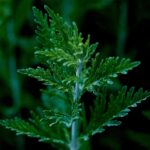
- The substance: A plant extract from sweet wormwood (Artemisia annua), world-renowned from malaria treatment, available as a supplement.
- Mechanism: Artemisinin has a unique iron-dependent mechanism of action. Cancer cells often have a very high iron content, and Artemisinin contains an endoperoxide bridge that reacts with the iron. This reaction creates an explosion of free radicals that destroy the cell from within – a kind of targeted “micro-bomb.”
- Use: Used precisely because of this unique, targeted effect, which is not directly mimicked by other supplements or most drugs.
Melatonin
- The substance: A hormone that regulates the sleep rhythm, available as a supplement.
- Mechanism: Melatonin is not a drug that needs a “Plan B” – it IS often the Plan B itself – or perhaps rather Plan A. It works in several ways: it is a powerful antioxidant, acts anti-inflammatorially, can inhibit cancer cell growth directly (oncostatic effect), and can improve the effect of chemo- and radiotherapy.
- Use: Used widely as a supportive and protective element in both conventional and complementary treatment courses.
- Critical assessment:
- This is not a question of a match, but of understanding that melatonin itself is a versatile and relevant supplement in many complementary treatment strategies.
Medication vs. plan B
Below is a detailed review of each drug in alphabetical order.
Aspirin
- The drug: A well-known pain-relieving, anti-inflammatory, and blood-thinning medication.
- Mechanism: Aspirin’s primary action is to inhibit the body’s COX enzymes (COX-1 and COX-2). These enzymes drive the production of inflammatory signaling substances called prostaglandins. Since chronic inflammation is a known engine for cancer development and spread, this inhibition is a central anti-cancer mechanism.
- Nature’s plan B:
- Strong match: White willow bark is the most direct parallel, as it is the original, natural source of aspirin’s active substance, salicylic acid.
- Medium match: Curcumin and Ginger are strong anti-inflammatory supplements that also work by inhibiting COX enzymes. Their action is broader and hits other inflammatory pathways, which can provide a more broad-spectrum effect.
- Weak match: Boswellia serrata and Omega-3 (fish oil) are also potent anti-inflammatory agents, but their primary mechanism of action is different from aspirin’s (they inhibit, among others, the LOX signaling pathway). They contribute to the same overall goal – dampening inflammation – but via a different “path.”
- Critical assessment: The anti-inflammatory effect of Aspirin can be mimicked and supported by several supplements, with White willow bark being the most direct match. That said, aspirin can also be purchased over-the-counter in the form of Low dose Aspirin.
Desloratadine (Antihistamine)

- The drug: A modern antihistamine used for allergic reactions. Notably, Desloratadine can be purchased over-the-counter at pharmacies in Denmark. It is not a drug one needs to fight to access.
- Mechanism: Works by very specifically blocking the histamine H1-receptor. This prevents the body’s histamine from binding and creating a reaction. In a cancer context, this is relevant because histamine can stimulate tumor growth and dampen the local immune defense.
- Nature’s plan B: The most practical and safe “Plan B” is a strategy that both reduces the amount of released histamine and helps the body handle it.
- Critical assessment: Since Desloratadine is easily available over-the-counter, the choice here is not driven by necessity but by personal strategy. Desloratadine offers a very potent and targeted H1-blockade. Supplements like Quercetin and Vitamin C offer a broader, more regulating and preventive approach. The choice is thus between a specific pharmacological “brake” and a more general, supportive strategy.
Dipyridamole

- The drug: Used primarily to prevent blood clots, often after heart valve surgeries.
- Mechanism: Works by inhibiting the platelets’ ability to clump together and dilating the blood vessels. In a cancer context, its possible role is related to inhibiting cells’ uptake of the signaling substance adenosine.
- Nature’s plan B: There is no strong, direct match to the specific adenosine-inhibiting mechanism.
- General goal: The overall goal of making the blood less “sticky” can be supported. Omega-3 (fish oil) is a medium-strong match, as it is well known for improving blood flow and inhibiting clumping.
- Ginger and Garlic are weaker matches but also have mild blood-thinning properties.
- Critical assessment: While the general platelet-inhibiting effect can be supported by supplements, the specific mechanism for dipyridamole is difficult to mimic.
Disulfiram
- The drug: Better known as Antabuse and used in the treatment of alcoholism.
- Mechanism: Powerfully inhibits the enzyme aldehyde dehydrogenase (ALDH). Many aggressive cancer stem cells depend on high levels of ALDH to resist treatment and repair themselves. Blocking ALDH removes one of the cancer stem cells’ most important defense mechanisms.
- Nature’s plan B:
- Medium match: Quercetin is a well-known, natural ALDH inhibitor, although the strength is significantly lower than for disulfiram.
- Weak match: DIM / I3C (from cruciferous vegetables) is a weaker match but has in some studies also shown the ability to affect ALDH activity and generally support the body’s detoxification processes.
- Critical assessment: If the goal is a powerful blockade of ALDH, disulfiram is significantly superior. Quercetin can, however, be seen as a milder, supportive alternative working on the same principle.
Doxycycline
- The drug: A broad-spectrum antibiotic.
- Mechanism: Its anti-cancer effect is primarily linked to its surprising ability to attack the mitochondria – the cells’ power plants. Doxycycline specifically inhibits the mitochondria’s own ribosomes (the cell’s 3D printers), preventing them from producing the proteins they need to function and multiply. This especially hits cancer stem cells.
- Nature’s plan B: There is no strong match.
- Medium match: Berberine and Curcumin are medium-strong matches, as they are also known to create stress in and disrupt mitochondrial function, thereby achieving a similar goal via a different mechanism.
- Weak match: Oregano oil and Sage are weaker but relevant matches, as their strong, broad-spectrum antimicrobial effect puts general pressure on unhealthy cells. EGCG from green tea is another weak match that can induce stress in the mitochondria.
- Critical assessment: Doxycycline’s specific attack on mitochondrial ribosomes is unique. The overall strategy of weakening the cancer cells’ energy production can, however, be supported by several supplements.
Fenbendazole

- The drug: A dewormer for animals from the benzimidazole family.
- Mechanism: Destroys the cell’s internal scaffolding and transport system (microtubules), which stops cell division and blocks sugar uptake.
- Nature’s plan B:
- Strong match: Berberine is a strong match, as it acts on microtubules in a very parallel way.
- Medium match: Curcumin is a medium-strong match, as it can also affect microtubules, although it is not its primary mechanism of action.
- Weak match: Resveratrol and Apigenin are weaker matches that disrupt the cell cycle and promote cell death via other, less specific pathways.
- Critical assessment: Berberine is the most direct and logical “Plan B” choice if one wishes to mimic the primary action of fenbendazole.
Hydroxychloroquine (Plaquenil)
- The drug: Originally a malaria drug, today primarily used in the treatment of autoimmune diseases such as rheumatoid arthritis and lupus.
- Mechanism: Its primary, proposed anti-cancer mechanism is the inhibition of autophagy. Autophagy can be described as the cell’s “self-eating” process. It is a survival mechanism where a stressed cell recycles its own damaged parts to quickly and easily obtain energy and building blocks. Cancer cells can hijack this mechanism to survive, for example, chemotherapy. By blocking autophagy, one removes one of the cancer cell’s most important escape routes and makes it more vulnerable.
- Nature’s plan B: There is no perfect, direct match that consistently inhibits autophagy in the same way as plaquenil.
- Medium match: EGCG (from green tea) is the strongest candidate, as it has shown in several studies the ability to inhibit the autophagy process in cancer cells.
- Weak match: Curcumin, Berberine, and Resveratrol are complex substances that can also affect autophagy. Their effect is not always unambiguous and can in some cell types and situations go both ways (both promoting and inhibiting). They are therefore not reliable substitutes. Pau D’Arco (beta-lapachone) is interesting because its own cell-killing effect can be enhanced when autophagy is inhibited, making it a synergistic partner rather than an actual substitute.
- Critical assessment: Achieving reliable and consistent inhibition of autophagy with supplements is difficult. Although EGCG is the most promising parallel, plaquenil’s stable effect is hard to match. If autophagy inhibition is the primary goal, this is a scenario that leans toward “fight for the original.”
Ivermectin
- The drug: A broad-spectrum antiparasitic drug used to treat a variety of infections in both humans and animals.
- Mechanism: In a cancer context, the mechanism is very complex and not fully understood. Research points to a multifaceted attack involving, among other things, affecting ion channels in cancer cell membranes, inducing stress in the cell’s internal “protein factory” (ER stress), and a strong and broad anti-inflammatory effect.
- Nature’s plan B:
- No supplement mimics this complex, multi-sided attack.
- Medium match: The most reliable parallel is the anti-inflammatory component. Here, Curcumin is a solid match due to its potent and well-documented anti-inflammatory properties hitting many of the same signaling pathways (e.g., NF-\kappa B).
- Weak match: The overall goal of general immune support can be supported by supplements like Astragalus, but this is a very indirect parallel to ivermectin’s specific effects.
- Critical assessment: Ivermectin’s unique combination of effects cannot be replaced by a single supplement. The best one can do is mimic the anti-inflammatory part with a substance like curcumin. If one believes in the full spectrum of ivermectin’s effects, it is another “fight for the original” scenario.
LDN (Low Dose Naltrexone)

- The drug: A very low dose of an opioid blocker normally used in much higher doses for addiction recovery.
- Mechanism: The mechanism is unique and based on a “rebound” effect. By briefly blocking the body’s opioid receptors, the body is stimulated to overcompensate by producing more of its own pain-relieving and immune-regulating substances (endorphins and enkephalins). This creates a stream of positive effects on the immune system.
- Nature’s plan B: No supplement mimics this unique rebound effect.
- Weak match: The overall goal of strengthening and balancing the immune system can be supported through other paths.
- This applies especially to medical mushrooms such as AHCC, Maitake, and Turkey Tail, as well as the herb Astragalus. These work by directly stimulating various parts of the immune system, not via opioid receptors.
- Critical assessment: This is a classic “fight for the original” scenario. If one desires the specific mechanism of action that LDN offers, there is no real alternative in the natural world. The mentioned supplements can, however, function as a broad, general support for the immune system.
Mebendazole (Vermox)
- The drug: A dewormer for humans belonging to the same family of drugs (benzimidazoles) as its veterinary counterpart, fenbendazole, which has a parallel effect – though not completely identical.
- Mechanism: Works by destroying the formation of microtubules. One can imagine microtubules as the cell’s internal skeleton and highway system. It is crucial for maintaining cell shape, transporting nutrients, and, most importantly, for cell division (mitosis). By causing this structure to collapse, one effectively stops cancer cell reproduction and simultaneously blocks its ability to take up sugar, leading to an energy crisis and cell death.
- Nature’s plan B:
- Strong match: Berberine is the closest and most direct natural match. Research shows that berberine also binds to tubulin (the building block of microtubules) and disrupts the structure. This leads to a stop in cell division and initiates programmed cell death (apoptosis) in a way very parallel to mebendazole’s.
- Medium match: Curcumin has also shown the ability to disrupt the dynamics of microtubules, although it is not considered its primary mechanism of action.
- Weak match: Resveratrol and Apigenin contribute to the same overall goal – stopping cell division and promoting cell death – but they generally do so via other signaling pathways less directly related to the physical microtubule structure.
- Critical assessment: The specific mechanism in Vermox has a very strong natural parallel in berberine, making it the most logical “Plan B” choice. The other mentioned supplements can be seen as agents with broader, complementary effects.
Metformin

- The drug: One of the world’s most widely used drugs and the standard treatment for type 2 diabetes.
- Mechanism: Works primarily by activating the enzyme AMPK, which functions as the body’s “master switch” for metabolism. When AMPK is turned on, the cell enters an energy-saving state, turns down its sugar consumption, and inhibits central growth signaling pathways like mTOR.
- Nature’s plan B:
- Strong match: Berberine is as close as one can get. It is an extremely potent AMPK activator and is often called “nature’s metformin” due to its almost identical effect on blood sugar and cell metabolism.
- Medium match: Alpha-lipoic acid (ALA) also acts on cell metabolism and can affect the same PI3K/Akt/mTOR signaling pathway related to AMPK.
- Weak match: Resveratrol and Apigenin can also affect cells’ energy consumption (glycolysis), while Ginseng has a well-known but milder effect on blood sugar regulation.
- Critical assessment: Berberine is the most direct and well-documented natural parallel to metformin. The other mentioned supplements can be seen as supportive for the same overall goal: regulating cell metabolism and energy consumption.
Mildin (Meldonium)

- The drug: Used in certain Eastern European countries for cardiovascular diseases and known for its ability to change cells’ metabolism.
- Mechanism: Has a very specific effect where it inhibits the body’s production and transport of the substance carnitine. Carnitine is necessary for cells to burn fat. By blocking this, mildin forces cells to switch fuel sources and primarily burn sugar – a process that requires less oxygen.
- Nature’s plan B:
- There are no known supplements that inhibit carnitine synthesis and transport in this specific way. The mechanism is unique to this substance.
- Critical assessment: This is a clear “fight for the original” scenario. There is no known natural alternative that can mimic this unique metabolic effect.
NSAID (as a group)

- The drug: A broad group of non-steroidal anti-inflammatory drugs (e.g., Ibuprofen, Diclofenac) used to fight pain and inflammation.
- Mechanism: The primary action is to inhibit COX enzymes (COX-1 and/or COX-2). These enzymes are crucial for the production of signaling substances called prostaglandins, which are central drivers in an inflammatory process. Since chronic inflammation can feed and promote cancer growth, inhibiting this process is an important strategy.
- Nature’s plan B:
- Strong match: Curcumin (from turmeric) and Boswellia serrata are both powerful natural supplements well-documented for their ability to inhibit COX enzymes. Boswellia is particularly interesting as it also strongly inhibits the parallel LOX signaling pathway, providing a very broad-spectrum anti-inflammatory effect.
- Medium match: Ginger contains active substances like gingerols and shogaols, which also have a well-documented inhibitory effect on COX enzymes.
- Weak match: Fish oil (Omega-3) acts anti-inflammatorially but via a different mechanism. Over time, it changes the body’s fatty acid composition, leading to fewer inflammatory signaling substances being formed. It works toward the same goal but via a different path.
- Critical assessment: There are a variety of potent, natural anti-inflammatory supplements that work on similar principles as NSAID preparations. Curcumin and Boswellia are among the strongest and best-researched alternatives.
Plaquenil (Hydroxychloroquin)
- The drug: Originally a malaria drug, today primarily used in the treatment of autoimmune diseases such as rheumatoid arthritis and lupus.
- Mechanism: Its primary, proposed anti-cancer mechanism is the inhibition of autophagy. Autophagy can be described as the cell’s “self-eating” process. It is a survival mechanism where a stressed cell recycles its own damaged parts to quickly and easily obtain energy and building blocks. Cancer cells can hijack this mechanism to survive, for example, chemotherapy. By blocking autophagy, one removes one of the cancer cell’s most important escape routes and makes it more vulnerable.
- Nature’s plan B: There is no perfect, direct match that consistently inhibits autophagy in the same way as plaquenil.
- Medium match: EGCG (from green tea) is the strongest candidate, as it has shown in several studies the ability to inhibit the autophagy process in cancer cells.
- Weak match: Curcumin, Berberine, and Resveratrol are complex substances that can also affect autophagy. Their effect is not always unambiguous and can in some cell types and situations go both ways (both promoting and inhibiting). They are therefore not reliable substitutes. Pau D’Arco (beta-lapachone) is interesting because its own cell-killing effect can be enhanced when autophagy is inhibited, making it a synergistic partner rather than an actual substitute.
- Critical assessment: Achieving reliable and consistent inhibition of autophagy with supplements is difficult. Although EGCG is the most promising parallel, plaquenil’s stable effect is hard to match. If autophagy inhibition is the primary goal, this is a scenario that leans toward “fight for the original.”
Propranolol

- The drug: A so-called beta-blocker, a type of medicine normally used for high blood pressure, stage fright, and certain heart conditions.
- Mechanism: Works by blocking the body’s beta-adrenergic receptors. These receptors are “receiving stations” for stress hormones like adrenaline and noradrenaline. Some cancer cells have these receptors on their surface, and when activated by stress hormones, it can stimulate tumor growth, spread (metastasis), and the formation of new blood vessels (angiogenesis). Propranolol effectively makes the cancer cells “deaf” to these stress signals.
- Nature’s plan B: The direct blocking of beta-receptors is a specific pharmacological action, and no supplement does exactly the same.
- Weak match: While one cannot block the receptor, one can work on reducing the stress signal itself. The goal of dampening the body’s general stress response can be supported through other paths. Here, adaptogens like Ashwagandha and Rhodiola are relevant, as they help the body adapt and become more resilient to physiological stress. L-Theanine (found in green tea) can promote a state of calm alertness and thus reduce the intensity of the stress signals sent out.
- Critical assessment: This is a very clear “fight for the original” scenario if the specific goal is beta-blockade. The mentioned supplements work on a different and more general level by calming the nervous system, which is a valid but fundamentally different strategy.
Statins
- The drug: A very widespread group of cholesterol-lowering drugs (e.g., Atorvastatin, Simvastatin).
- Mechanism: Works by inhibiting a key enzyme called HMG-CoA reductase. This enzyme is the crucial step in the so-called mevalonate signaling pathway. This signaling pathway is essential for the body’s production of cholesterol, but it also produces a range of other molecules that cancer cells are deeply dependent on to build their cell membranes, anchor proteins, and grow. By blocking this signaling pathway, one effectively “starves” the cancer cells of these vital components.
- Nature’s plan B:
- Strong match: Red yeast rice. This is the most direct natural parallel, as it is a fermented rice product that naturally contains the substance monacolin K. This substance is chemically identical to the prescription statin drug lovastatin and therefore acts on exactly the same enzyme.
- Medium match: Berberine. In addition to its many other effects (including as an AMPK activator), berberine has also shown the ability to inhibit the HMG-CoA reductase enzyme, although it is not considered its primary mechanism of action.
- Weak match: Quercetin can, according to some studies, also have a mildly inhibitory effect on this signaling pathway.
- Critical assessment: Here, a direct “Plan B” exists. Red yeast rice offers a natural counterpart to the statin mechanism. Berberine constitutes a solid secondary option, especially if one also desires its other positive effects on metabolism.
Vermox (Mebendazol)
- The drug: A dewormer for humans belonging to the same family of drugs (benzimidazoles) as its veterinary counterpart, fenbendazole, which has a parallel effect – though not completely identical.
- Mechanism: Works by destroying the formation of microtubules. One can imagine microtubules as the cell’s internal skeleton and highway system. It is crucial for maintaining cell shape, transporting nutrients, and, most importantly, for cell division (mitosis). By causing this structure to collapse, one effectively stops cancer cell reproduction and simultaneously blocks its ability to take up sugar, leading to an energy crisis and cell death.
- Nature’s plan B:
- Strong match: Berberine is the closest and most direct natural match. Research shows that berberine also binds to tubulin (the building block of microtubules) and disrupts the structure. This leads to a stop in cell division and initiates programmed cell death (apoptosis) in a way very parallel to mebendazole’s.
- Medium match: Curcumin has also shown the ability to disrupt the dynamics of microtubules, although it is not considered its primary mechanism of action.
- Weak match: Resveratrol and Apigenin contribute to the same overall goal – stopping cell division and promoting cell death – but they generally do so via other signaling pathways less directly related to the physical microtubule structure.
- Critical assessment: The specific mechanism in Vermox has a very strong natural parallel in berberine, making it the most logical “Plan B” choice. The other mentioned supplements can be seen as agents with broader, complementary effects.
Conclusion: from knowledge to strategy

The path through the landscape of repurposed drugs and supplements can seem like an impenetrable jungle. The purpose of this page is to draw a more detailed map that focuses not only on the direct paths but also on the surrounding terrain. It appears that in some cases, there are strong, natural parallels to a drug’s action – a clear “Plan B.” In other cases, the drug’s mechanism is so unique that the best strategy is to “fight for the original.”
Most importantly, we have seen that the most effective approach is rarely a matter of either-or. It may lie in both-and: combining a supplement with a direct match with others that offer broad-spectrum, synergistic support by dampening inflammation, regulating metabolism, or strengthening the immune system. Additionally, unique tools like Artemisinin and Melatonin function as independent strategies.
This knowledge is not a key to the final answer, but a strategic tool so you yourself can help navigate – and thus regain control of your life. It gives you a better opportunity to ask precise questions, to understand your options in depth, and to challenge a rejection on an informed basis. Use this guide as a foundation for a qualified conversation with your practitioner. For the safest and strongest way forward is always the one built on a partnership between your own knowledge and professional expertise.
Overview table: medication vs. nature’s plan B
To provide a quick overview, the information from the guide is collected here in a table. The table’s purpose is to give an immediate sense of how strong a match exists between a drug and a known supplement.
How to read the table
The columns show how closely a supplement’s mechanism of action resembles the drug’s. “Strong match” is the closest parallel, while “Weak match” indicates a more theoretical or indirect overlap.
When several supplements are listed in one field
This is the central point: should you take them all or choose one? The answer is that they often work in different but complementary ways to achieve a corresponding overall result. They are not just interchangeable options for exactly the same job.
Strategy 1: Choose the most direct match. You can choose to use the supplement listed first. It is typically the one whose mechanism most directly mimics the drug’s.
Strategy 2: Combine for a broader effect. You can consider combining several of the mentioned supplements. The advantage is that you attack the problem from several angles simultaneously, which theoretically can provide a stronger, synergistic effect.
The choice between these strategies is a balance ideally taken in consultation with a knowledgeable practitioner.
No medicine – Plan B
| Drug | Strong Match | Medium Match | Weak Match | Unique Mechanism (No Match) |
|---|---|---|---|---|
| Aspirin | White Willow Bark | Ginger, Curcumin | Omega-3, Boswellia | |
| Desloratadine | Butterbur (PA-free) | Quercetin | Fisetin, Luteolin | |
| Dipyridamole | Omega-3 | Ginger, Garlic | ||
| Disulfiram | Quercetin | DIM / I3C | ||
| Doxycycline | Berberine, Curcumin | Oregano oil, Sage, EGCG | ||
| Fenbendazole | Berberine | Curcumin | Resveratrol, Apigenin | |
| LDN | Immune support: AHCC, Astragalus, Maitake, Turkey Tail | The mechanism (opioid-rebound) is unique. | ||
| Metformin | Berberine | Alpha-lipoic acid (ALA) | Resveratrol, Apigenin, Ginseng | |
| Mildin | The mechanism (carnitine inhibition) is unique. | |||
| NSAID (group) | Curcumin, Boswellia Serrata | Ginger | Fish oil (Omega-3) | |
| Plaquenil | EGCG | Curcumin, Berberine, Resveratrol | ||
| Ivermectin | Curcumin | Astragalus | ||
| Propranolol | Stress response: Ashwagandha, Rhodiola, L-Theanine | Direct beta-blockade is unique. | ||
| Statins | Red Yeast Rice | Berberine | Quercetin | |
| Vermox | Berberine | Curcumin | Resveratrol, Apigenin |
Overviews are a tool for dialogue and must never be considered a guide for self-treatment.
Warning
This is in no way an encouragement for self-treatment. Experimenting with treatment on your own, without professional guidance, can be ineffective and potentially dangerous.
See also Supplements and Chemotherapy – how does it work
See the section beneth: Links (scroll to)
Page created: June 29, 2025
❤
What you read on Jeg har Kræft is not a recommendation. Seek competent guidance.
