

It has to feel right – Diet and cancer
Strategy for the right choice
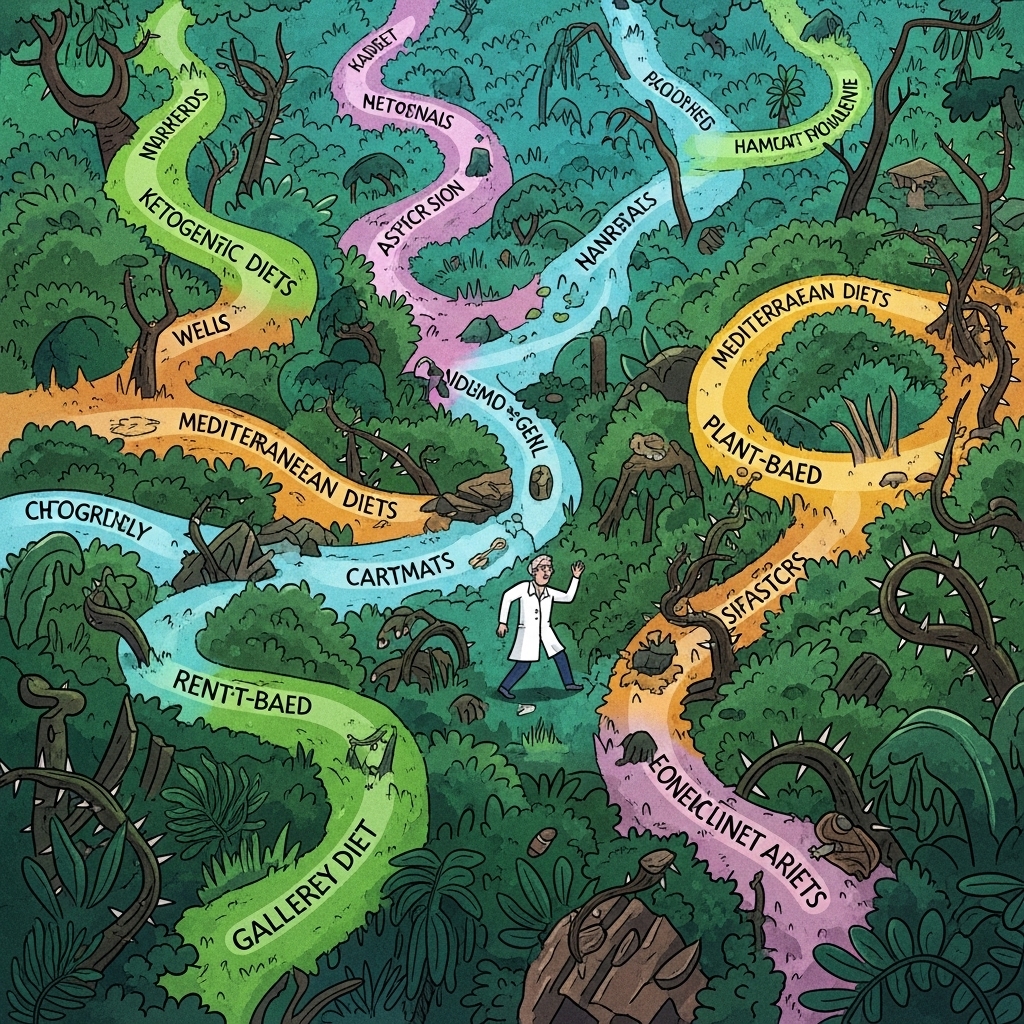
Handling a cancer diagnosis in everyday life often brings a wealth of questions about how best to take care of your body. One of the most debated areas is diet, where directly contradictory and, for many, convincing advice exists. The internet and various social groups are filled with diverging opinions and guidelines—some scientifically founded, others based on personal experiences.
This is an attempt to guide you who seek to navigate somewhat safely through this “diet jungle” and find the path that feels right for you. At the same time, the condition is that when we talk about cancer, there are no guarantees—whether you choose conventional treatment and the Danish Health Authority’s dietary advice, or you find another strategy you find convincing.
What is the diet and cancer jungle
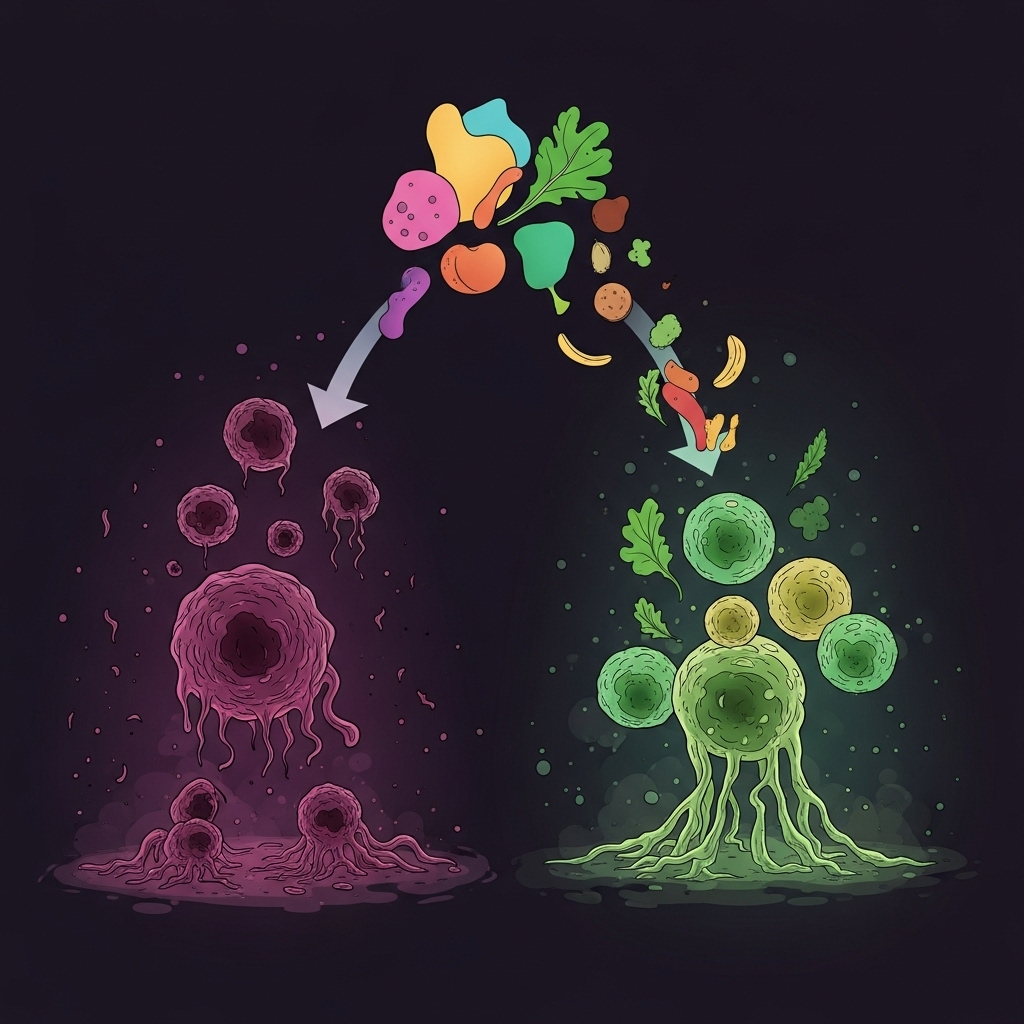
For many cancer patients, diet becomes—with good reason—a central focus, and one often encounters statements like “you should not eat sugar” or “cancer loves sugar.” Or avoid dairy products. This can create great uncertainty and feelings of guilt if, for example, one gives in to a craving for sweets.
But is there any truth to it? And will it make a difference? There are a multitude of different dietary strategies—from fasting to specific diets—and it can be difficult to determine what to believe and what is best for you specifically.
Sugar – nourishment or threat
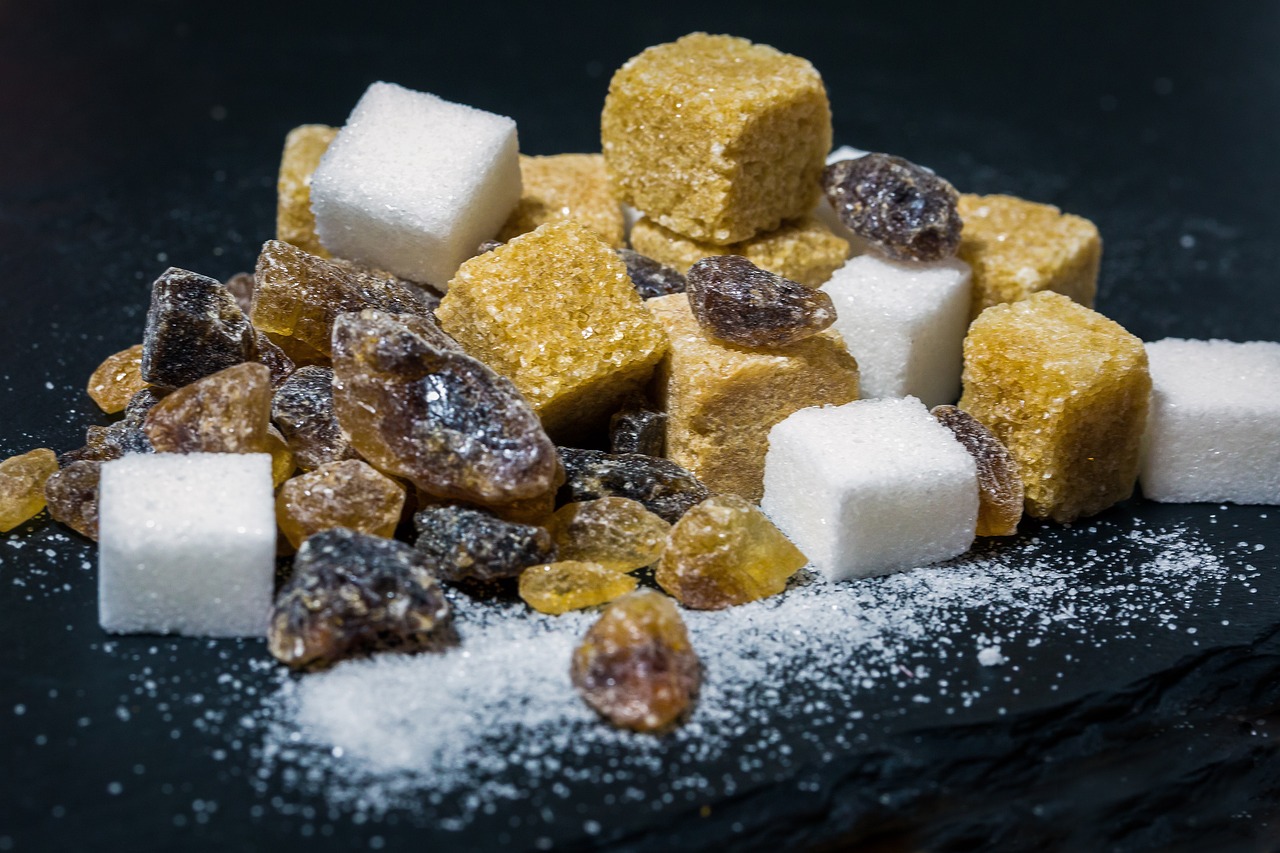
The problem regarding sugar and cancer stems from the fact that cancer cells have an abnormally high metabolism of glucose (sugar) to grow and spread. Many alternative approaches therefore strongly argue for reducing the intake of sugar and fast carbohydrates, including fructose. Research supports that a low-sugar diet can potentially starve cancer cells, but there is particularly some consensus that a diet low in sugar can reduce inflammation in the body.
Sugar and inflammation
It is important to understand that sugar—and especially large amounts of it—is very likely to have an inflammatory effect in the body. Chronic inflammation is considered a favorable environment for cancer development and growth.
As a recognized study concludes: “A high dietary intake of sugar is generally more harmful than beneficial for health, especially regarding cardiovascular diseases and metabolic diseases. It is recommended to reduce the intake of free sugars or added sugars to below 25 grams per day (approximately 6 teaspoons) and limit the intake of sugar-sweetened beverages to less than one serving per week to reduce the harmful effects of sugar on health.” Therefore, the focus is not only on nourishing the cancer cells directly but also on avoiding creating an environment where cancer thrives.
See also Sugar and cancer
See also Dietary sugar consumption and health: umbrella review (PubMed, april 2023)
Managing sugar cravings
For those who choose to limit sugar intake or virtually eliminate it, this is a central strategy. But what happens when the craving arises, or you choose (occasionally) to deviate?
Here, it is crucial to think about one’s mental well-being. One must remember to also “live” while being here. And if it feels very important once in a while to be able to enjoy a cappuccino with a croissant, then one should consider making an active choice.
This should be understood such that when/if you choose sweets once in a while, you must be okay with your choice. You must arrange it in a way that feels like the right thing. And you must ensure ultimate enjoyment of your intake. In other words, when you choose sweets—go all out on the enjoyment. And then you tell your cells that this is a great idea in this situation.
The point is to make conscious choices and find peace with them, so you don’t feel guilt or blame yourself. Because guilt is bad for the immune system, and it should ideally be optimal all the time. And the nocebo effect is a fact that should not be ignored. It is thus about finding a balance where dietary restrictions do not lead to mental hunger or fanaticism, which in the end can do more harm than good.
The psychological effects
The placebo effect: A positive effect that occurs because one expects a treatment to help, even if it might be ineffective in itself (e.g., a sugar or calcium pill). It is about positive expectations and belief.
The nocebo effect: A negative or harmful effect that occurs because one expects a treatment to cause negative effects or side effects, even if the treatment itself is neutral or perhaps not an active medication at all. It is about negative expectations and fear.
Both are well-known and well-documented.
Glycemic index
A practical tip for keeping blood sugar stable is to eat something with a low glycemic index (GI) before potentially indulging in something sweet. Glycemic index (GI) is a measure of how quickly carbohydrates in a food cause blood sugar to rise. Foods with a low GI (e.g., whole grains, legumes, and most vegetables) result in a slower and more even rise in blood sugar. This can reduce the large blood sugar fluctuations that can otherwise occur after a sugary meal.
Exercise as a counterbalance
If you choose to eat something sweet, you can also compensate for the immediate effect on blood sugar by exercising appropriately immediately afterward. A short walk or similar physical activity can help your muscles absorb glucose from the blood, which can stabilize blood sugar and reduce the potential inflammatory response.
Hanne’s strategy
Without this in any way being perceived as a recommendation, here is my strategy. I have developed a Starve/Kill/Detox protocol, which includes repurposed drugs, selected dietary supplements, and a specific diet. The Starve phase (starving the cancer cells) lasts 2 weeks, the Kill phase (killing the cancer cells) lasts 1 week, and the Detox phase (detoxifying the body) lasts 1 week. After this, I take a one-week break from everything, during which I largely eat and drink everything I have missed over the past 28 days. I do so with a clear conscience and great enjoyment.
It means a lot to me that when I crave something, I can think about including it at the next opportunity. That way, it doesn’t become an actual deprivation, just a need that must be postponed a bit (never more than a month).
It should be mentioned that I do not have registered active cancer. I am on my protocol solely to minimize the risk of recurrence (a very aggressive form of cancer). Furthermore, in the first year after my diagnosis and surgery, I was quite stringent with my diet. However, I chose one day a month to “indulge” for one meal.
Popular dietary strategies
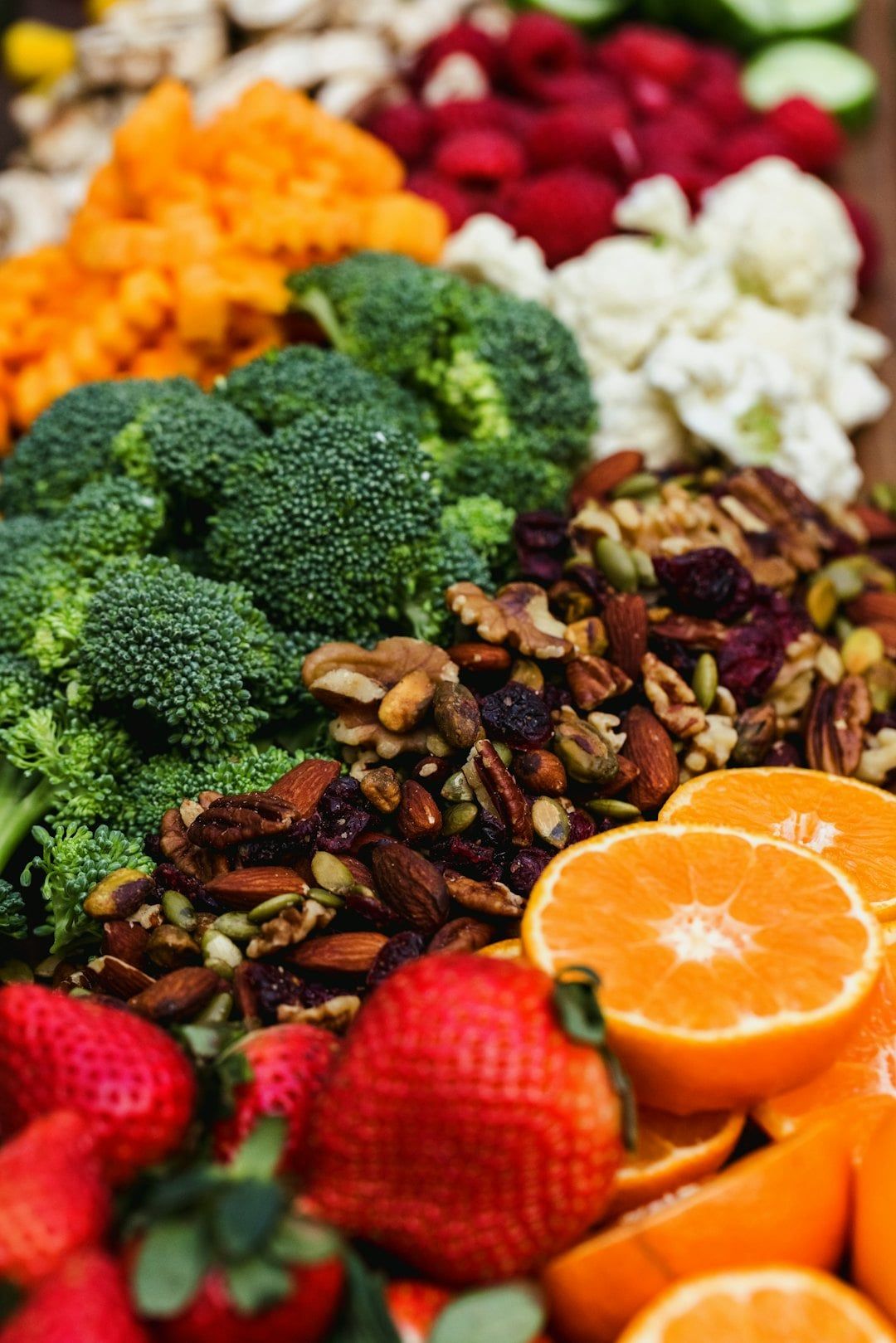
There are many different approaches to diet for cancer. Here is a brief introduction to some of the most well-known ones that many cancer patients, who wish for the feeling of being able to influence their risk of relapse themselves, choose to explore:
- Jane McLelland – “Starve Cancer without Starving Yourself”: Jane McLelland is a cancer survivor who fought aggressive stage 4 cervical cancer that had spread and later developed into stage 4 lung cancer. Additionally, she was diagnosed with stage 4 leukemia. Her “starve-cancer” diet focuses on targeting the various energy pathways of cancer cells. It involves combining specific dietary changes with repurposed drugs and certain supplements to make the cancer cells more vulnerable, thereby enhancing the effect of the treatment.
- Chris Beat Cancer (Chris Wark): Chris Wark is a colorectal cancer survivor who opted out of chemotherapy after surgery and instead used a radical change in diet and lifestyle to heal his body. His approach, as described in the book Chris Beat Cancer, includes a specific “Beat Cancer Mindset,” extensive dietary changes, detoxification, and a focus on mental, emotional, and spiritual healing. Like several other cancer survivors, he emphasizes the importance of taking control of one’s own health.
- Medical Medium (Anthony William): Anthony William, known as the Medical Medium, claims to receive information about health and disease from a spiritual source. His dietary recommendations for chronic diseases, including cancer, focus on a high intake of specific fruits, vegetables, and herbs while avoiding certain foods (such as dairy products, eggs, and gluten) with the aim of detoxifying the body and supporting its natural healing ability.
- Ketogenic Diet (LCHF): A diet that is very low in carbohydrates, moderate in protein, and high in healthy fats. The goal is to force the body to burn fat for energy (producing ketone bodies) instead of carbohydrates. The theory is that cancer cells have difficulty utilizing ketone bodies as fuel.
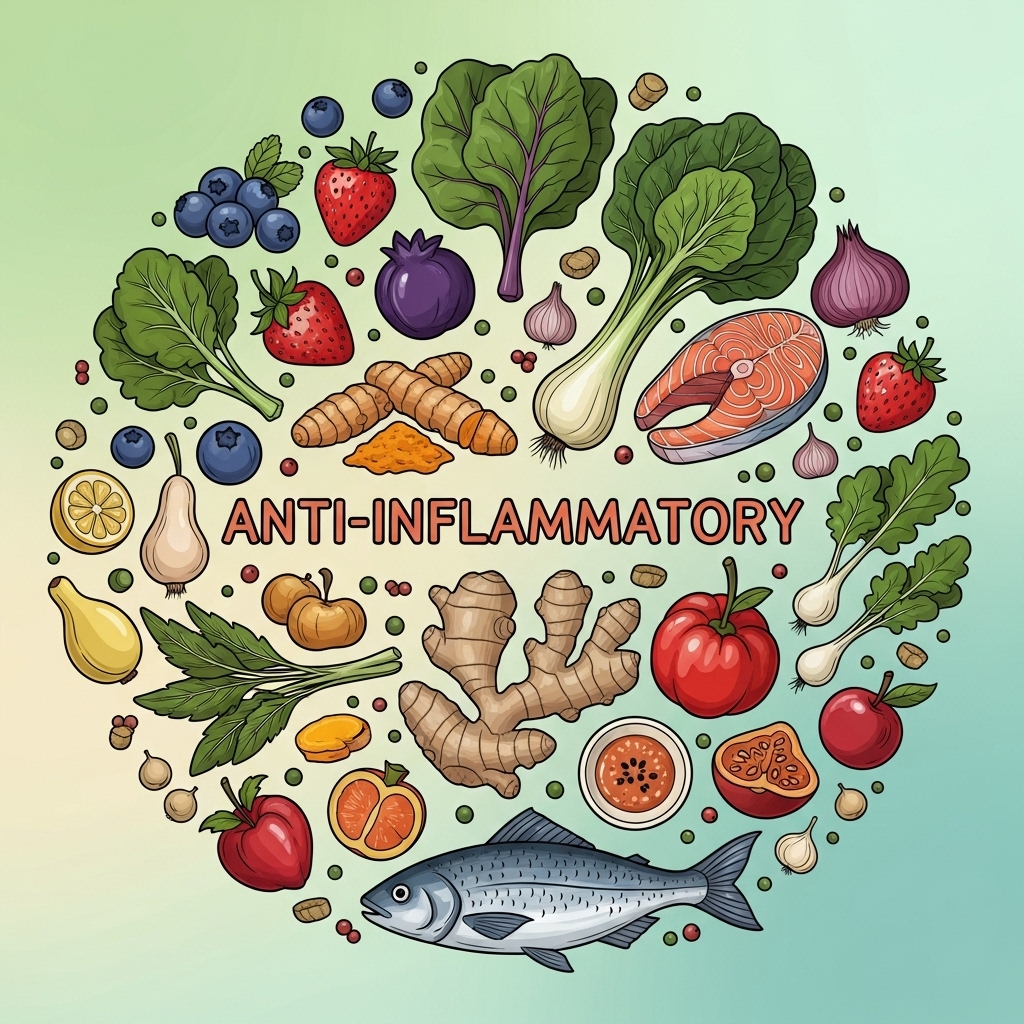
- Anti-inflammatory Diet: This diet focuses on reducing inflammation in the body, which is believed to play a role in the development and progression of cancer. It often involves a high intake of vegetables, fruit, whole grains, healthy fats (such as omega-3), and lean protein sources, while avoiding processed foods, sugar, and saturated animal fats.
- Alkaline Diet (Acid-Base Balance): The theory behind this diet is that cancer thrives best in an acidic environment and that an alkaline diet can help create a more alkaline environment in the body, which allegedly can inhibit cancer growth. It involves a high intake of alkaline-forming foods like fruit, vegetables, and certain nuts, while acid-forming foods like meat, dairy products, and sugar are heavily restricted.
- The Microbiome and Gut Health: This approach focuses on the importance of a healthy gut flora (the microbiome) for the immune system and general health. The diet aims to promote the growth of beneficial gut bacteria through a high intake of fiber, fermented foods, and probiotics, while avoiding foods that can disrupt the gut balance. The goal is to support the body’s natural defense mechanisms.
- Traditional Chinese Medicine (TCM) and Yin Yang Diet: Within TCM, diet is seen as a way to balance the body’s energy (Qi) and the yin and yang principles. The diet is individually tailored based on a diagnosis of imbalances in the body, focusing on eating foods that either cool or warm, moisten or dry, and which support specific organ functions. It is about creating harmony in the body through food choices.
- Fasting and Intermittent Fasting: Involves periods of complete abstinence from food or significant calorie restriction. Fasting is thought to be able to stress cancer cells while making healthy cells more resilient. Intermittent fasting typically involves daily periods without food (e.g., the 16/8 method).
- Budwig Protocol: Developed by Dr. Johanna Budwig, a German biochemist. The protocol is based on a mixture of cottage cheese (quark) and flaxseed oil, which is believed to improve cellular functions and oxygen uptake in the body. It focuses on healthy fats and an alkaline diet.
- Breuss Cure: A 42-day juice fast where one only consumes specific vegetable juices and herbal teas. Rudolf Breuss developed this cure based on a theory that cancer can only live on solid substances and that the cure starves the cancer while the body retains its vitality.
- Gerson Therapy: Developed by Dr. Max Gerson. This diet is very strict and involves large amounts of organic vegetable juice, a vegetarian diet, coffee enemas, and supplements. The goal is to detoxify the body, strengthen the immune system, and restore the body’s balance.
Common to all the above dietary strategies is that there are encouraging accounts from cancer patients who have allegedly achieved remission by following a given one of these diets.
Choose wholeheartedly – both diet and treatment
Even though diet is a powerful tool, it is crucial to remember that it is part of a larger picture. Your psyche, quality of life, and the inner peace with your choices also play a colossal role in your well-being and thus in your process of overcoming cancer or causing it to stagnate.
In the book Radical Remission, Kelly A. Turner describes how “strong reasons for living” is one of these crucial keys. As one patient states: “I have become convinced that the brain is the most powerful and least understood organ in the human body. I believe it controls our entire machinery and that its natural ability to heal is enormous.” This emphasizes that your mental state is also decisive for how your body responds to treatments and dietary changes. An overly fanatical approach that creates stress and guilt can inadvertently undermine your immune system and your general well-being.
Healthy weight – find the balance

Body weight also plays a role in the course of cancer. For many, weight can fluctuate significantly during illness and treatment.
Underweight

- If you have lost weight and are underweight, it is crucial to ensure that you receive sufficient nourishment. In this situation, it may be necessary to focus on getting enough calories and protein, even if it temporarily deviates from your preferred dietary principles. Your priority should be to maintain strength and counteract further weight loss. Eating too little can weaken both your body and your immune system.
Overweight
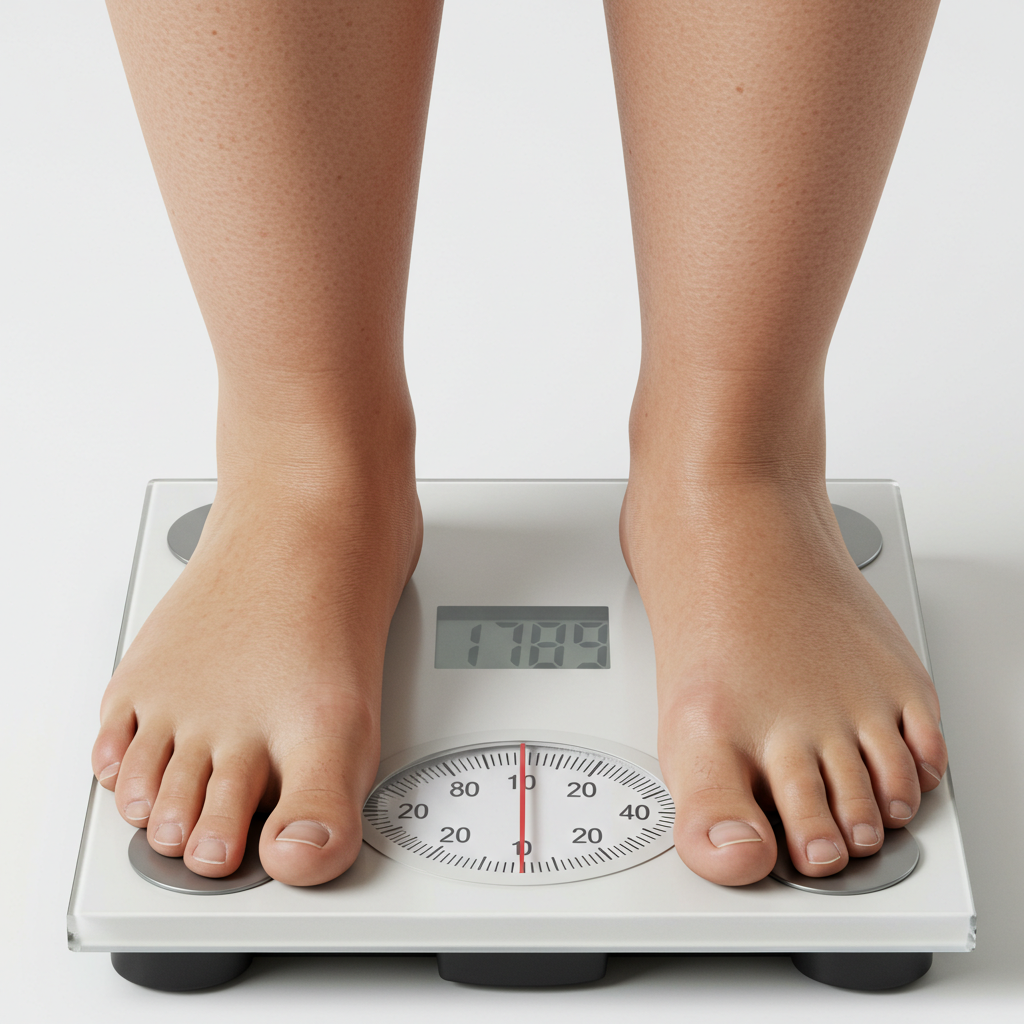
- Research indicates that being overweight can be a risk factor for certain types of cancer and for recurrence. It may therefore be a good idea to strive for a healthy weight. However, it is important to approach this with understanding and realism. It is not about rapid, extreme weight loss, but about finding a sustainable balance that supports your health without creating unnecessary stress or self-blame. Focus on a healthy lifestyle and feasible changes that feel good to you. Remember that your mental well-being is paramount.
Good and realistic dietary habits
- Choose with peace: Make your dietary choices based on the information that makes sense to you and the quality of life you wish to maintain. Once you have made a choice, stand by it with inner peace and without guilt. If necessary, you can adjust your decision along the way.
- Realistic expectations: Life with cancer is unpredictable, and it is important to have realistic expectations regarding how stringently you can adhere to a specific diet. Perfection is rarely achievable and often unnecessary.
- Strategies for “deviations”: It is human to “slip up” or consciously choose to eat something that is not part of your plan. When it happens, it is important to have a strategy:
- Enjoy it fully: As mentioned, consciously choose to enjoy what you eat without self-reproach. Tell your cells that it is a good idea—it is all about the mental attitude.
- Return to the plan: See it as a temporary deviation, not a defeat. Return to your preferred dietary plan at the next meal, or at the time you have scheduled.
- Analyze, don’t judge: If you deviate often, consider whether your current plan is too restrictive for you as a person and whether it needs to be adjusted to be more feasible.
- Balance over fanaticism: An overly fanatical approach to diet can drain your energy and joy of life, which are at least as important elements in your struggle. It is about finding a sustainable balance that supports both your physical and mental health.
Conviction is strength

Believe in your treatment
In the same way as with your diet, the principle of finding inner peace and acting wholeheartedly also applies to your other cancer treatment. Regardless of whether you have chosen a conventional treatment such as chemotherapy, radiation therapy, and/or surgery, or whether you have chosen an integrative approach or a purely alternative strategy, your conviction and your commitment are decisive.
Informed choice
Having made an informed choice—and standing behind it wholeheartedly—can have great significance for your experience and your well-being. If you receive medication, it is important to take it as prescribed and without inner doubt. If you follow a specific alternative strategy, it is equally important that you do so with conviction and trust in its effect.
Inner resistance, skepticism, or a feeling of “ought” toward something you do not believe in will often create stress and weaken your motivation. Being at peace with your treatment choices—regardless of what they are—is an essential part of your journey. It is about finding the strategy that feels most right for you and then embracing it fully with your energy and your hope.
It must feel right – your own compass

Your journey with cancer is unique, and there is no answer key for the “right” diet or lifestyle. The most important thing is to find the path that gives you meaning, motivation, and inner peace.
- Listen to your body and intuition: Sense what feels right for you. It is okay to adjust your choices along the way, and it is important to be able to forgive yourself if you deviate from the path.
- Informed choices: Base your choices on the information you find relevant and credible, but always remember to adapt it to your own situation and what feels right.
- Dialogue with professionals: Always consider discussing your dietary and treatment choices with your healthcare provider or a nutritionist experienced with cancer patients, especially if you are in traditional treatment, as some dietary approaches can interact with medication.
Conclusion

This page has presented various dietary strategies and the mental component that accompanies the course of cancer. Remember that your path is unique, and there is no universal solution.
The most important thing is to find peace with the choices you make and maintain joy and quality of life, as they are powerful allies in your process. Prioritize what feels right for you. And remember, life is happening right now.
See also Sugar and cancer
See also Can fructose feed cancer?
See also Cancer as a metabolic disease
See also Sweets (without dairy and sugar)
See also Emotions
See also Exercise
See also Movement with limitations
See also Weight control
See also Faith moves mountains – the importance of the psyche
See also Why I want to live
See also The decision
Links
Dietary sugar consumption and health: umbrella review (PubMed, april 2023)
Sugar and cancer – what you need to know (Cancer Research UK, aug. 2023)
Diet and nutrition (LyLe, The Patient Association for Lymphoma, rev. 2025) (Danish Language)
Eat Clean, Live Clean (The Gerson Institute, 2023)
Cris Beat Cancer (Website)
9 Ways The Budwig Diet and Protocol Help You Obtain Optimum Health (Budwig Center, Jan. 2019)
Lifestyle modifications after the diagnosis of gynecological cancer (PubMed, June 2021)
Book: Radical Remission by Kelly A. Turner (Bibliotek.dk (sold out from publisher)) (Danish Language)
Book: How to Starve Cancer – Without Starving Yourself (by Jane McLelland) (Danish Language)
Book: Beat Cancer (by Jane Plant and Mustafa Djamgoz) (Danish Language)
Book: Self-Defense Against Cancer – Ten Things You Can Do Yourself (By Øyvind Torp) – In Danish
42 things that make life worth living (Information)(Danish Language)
Book: Why You Create Your Own Life (By Henning R. Jensen)
Book: The Placebo Effect (By Joe Dispenza)
Page created: May 31, 2025
❤
What you read on I Have Cancer is not a recommendation. Seek competent guidance.
